From the file. Written for the paper dated May 2017. Opened in the public stacks July 14, 2026.
As the dust settles from the latest military engagements abroad, the debate over war powers continues to rage, often overshadowed by partisan squabbles and media soundbites. In this environment, crucial discussions about the implications and responsibilities that come with military action are frequently left out of the briefings.

The Context of War Powers
The War Powers Resolution of 1973 was designed to check the President's ability to commit the United States to armed conflict without the consent of Congress. Yet, as we witness the escalation of military involvement in various regions, including the Middle East and North Africa, it raises the question: Are we adhering to the principles that this legislation was founded upon? The answer, it seems, is increasingly murky.
Both sides of the political spectrum have been guilty of neglecting the fundamental tenets of this resolution. On one hand, we have a Republican administration that has shown a willingness to engage in military action without clearly defined objectives or Congressional approval. On the other, many Democrats, who once championed the importance of legislative oversight, appear to be more concerned with opposing the current administration than with ensuring that the rules of engagement are followed.
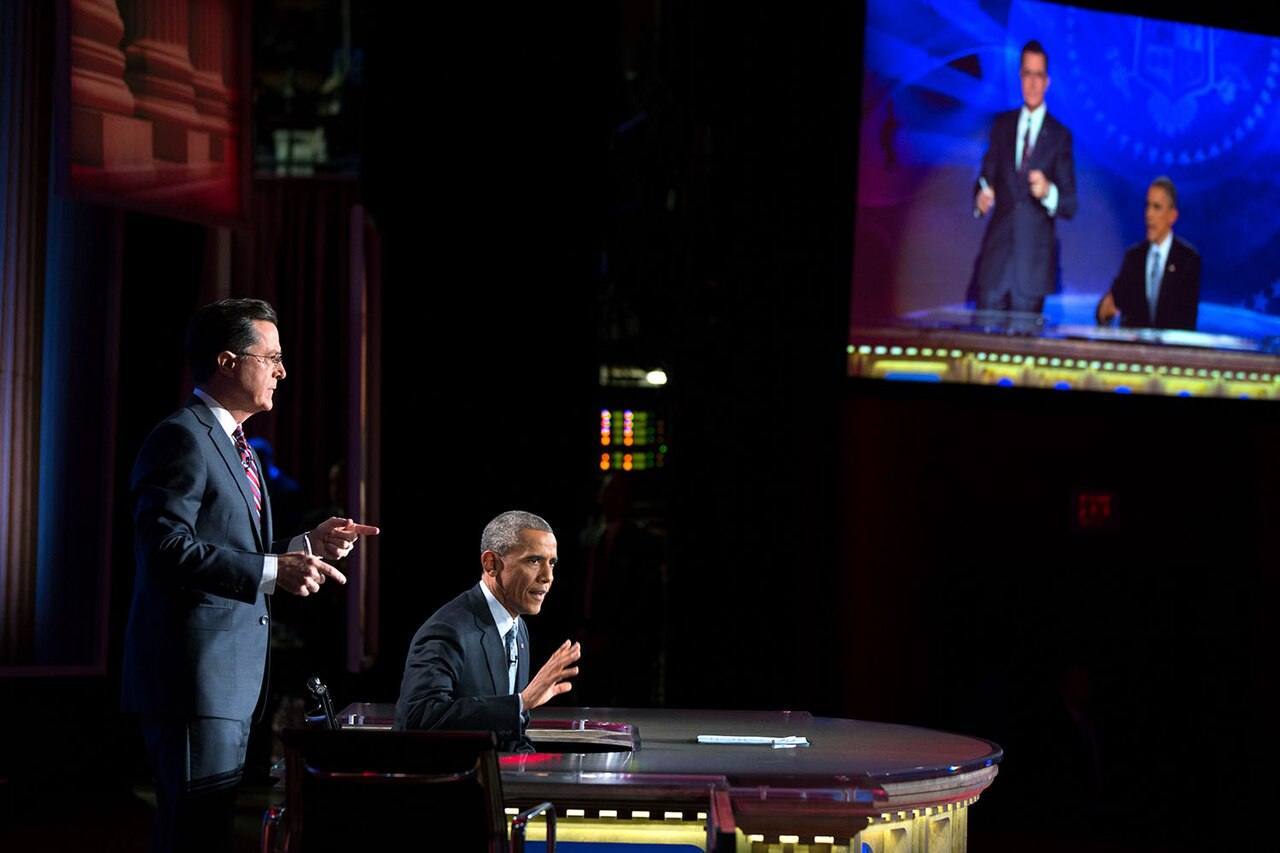
“In the rush to respond to crises, we risk forgetting the very principles that define our democracy.”
The Left's Call for Accountability
Progressives have been vocal about the need for accountability in the use of military force. They argue that the executive branch has overstepped its bounds and that Congress must reclaim its constitutional authority. However, their calls often come in reaction to specific military actions rather than as part of a cohesive strategy to address the broader issue of war powers.

While it is commendable that many on the left are advocating for greater scrutiny of military engagements, their criticisms can sometimes lack the depth necessary to inspire meaningful change. The focus on individual instances of military action can obscure the larger patterns of unilateral decision-making that have become commonplace in recent administrations. Furthermore, some left-leaning voices risk aligning themselves with isolationist sentiments rather than advocating for a balanced approach that considers both national security and humanitarian concerns.
The Right's Justification of Power
Conversely, the right has often adopted a hawkish stance, justifying military interventions as necessary for national security. This approach typically hinges on the notion that the U.S. must lead on the global stage, regardless of the legal frameworks intended to govern military action. The current administration's rhetoric often emphasizes swift action over deliberation, which can lead to a dangerous precedent that diminishes the value of diplomacy.

Moreover, this emphasis on strength can overshadow the potential consequences of military engagement. The complexities of modern warfare, particularly in regions fraught with ethnic and sectarian divisions, are often underappreciated. As a result, the long-term ramifications of military actions may be minimized or ignored entirely in favor of a narrative that prioritizes immediate results.
The Missing Voices in the Debate
Amid the din of partisan politics, one of the most glaring omissions from the war powers debate is the voice of the American people. The military engagements of the past decades have not only taken lives abroad but have also had profound effects on our own society. Veterans returning home face myriad challenges, from mental health issues to reintegration into civilian life. Yet, these concerns are often sidelined in broader discussions about military strategy and objectives.
Furthermore, the perspectives of those living in conflict zones are seldom given the attention they deserve. The human cost of war extends far beyond the battlefield, and understanding the consequences of military actions on local populations is crucial for crafting effective foreign policy. As we engage in debates about military power, we must consider the ripple effects that extend across borders.
Moving Forward
As we move deeper into the complexities of modern warfare and international relations, it is imperative that the war powers debate is approached holistically. Both the left and the right must recognize that their narratives often fall short of addressing the full spectrum of issues at hand. This means prioritizing discussions that not only hold leaders accountable but also recognize the broader implications of military action.
For meaningful change to occur, the voices of citizens - those who bear the brunt of military decisions - must be amplified. Engaging with the realities of war, both at home and abroad, can foster a more balanced approach to foreign policy that honors the spirit of the War Powers Resolution. Only then can we hope to navigate the treacherous waters of international conflict with a clear conscience and a commitment to our democratic principles.
✦ ✦ ✦