From the file. Written for the paper dated May 2017. Opened in the public stacks July 14, 2026.
In an era marked by polarized politics and a frenzied news cycle, the contents of diplomatic cables often fade into the background noise of headlines and social media chatter. Yet, what gets left out of these briefings can be just as telling as the information that makes it into the public eye.
The Silent Narratives
In May 2017, the world remains captivated by the spectacle of politics, with both left and right engaging in a tug-of-war that often overshadows critical global issues. The recent diplomatic cables reveal a nuanced world that is seldom discussed in the polarized conversations dominating mainstream discourse. What gets reported often reflects partisan interests rather than the complex realities faced by nations.
"In a world of extremes, the subtleties of diplomacy can get lost in translation."
The left, for instance, may focus on humanitarian crises, emphasizing the need for intervention and aid, while ignoring the geopolitical ramifications of such actions. Conversely, the right often highlights national security concerns, advocating for a more isolationist stance that neglects the interconnectedness of global challenges. As a result, the diplomatic cables that detail these intricate relationships and the cautionary tales of past interventions often go unnoticed.
Unpacking the Cables
One recent cable sent from an ambassador in the Middle East reveals the deep-seated frustrations of local leaders regarding U.S. foreign policy. While the headlines may focus on military alliances and trade agreements, the quieter stories tell of how these policies impact everyday lives. The disconnect between Washington's decisions and the realities on the ground can create resentment and instability, but such sentiments rarely make it into the mainstream narrative.
Moreover, many cables indicate a growing concern about China's expanding influence in various regions, particularly in Africa and South America. Yet, the analysis of these trends is often sidelined in favor of more sensational stories. The implications of these shifts are profound, potentially altering the balance of power and affecting U.S. interests abroad. The lack of discourse surrounding these developments reflects a failure to grasp the complexities of modern diplomacy.
Media's Role in the Oversight
The media plays a pivotal role in shaping public perception, yet the focus on sensationalism often obscures the everyday realities captured in diplomatic cables. Stories that could foster a deeper understanding of global dynamics are drowned out by partisan squabbles and scandal-driven headlines. This creates an environment where the public is ill-informed about critical issues that affect both domestic and international landscapes.
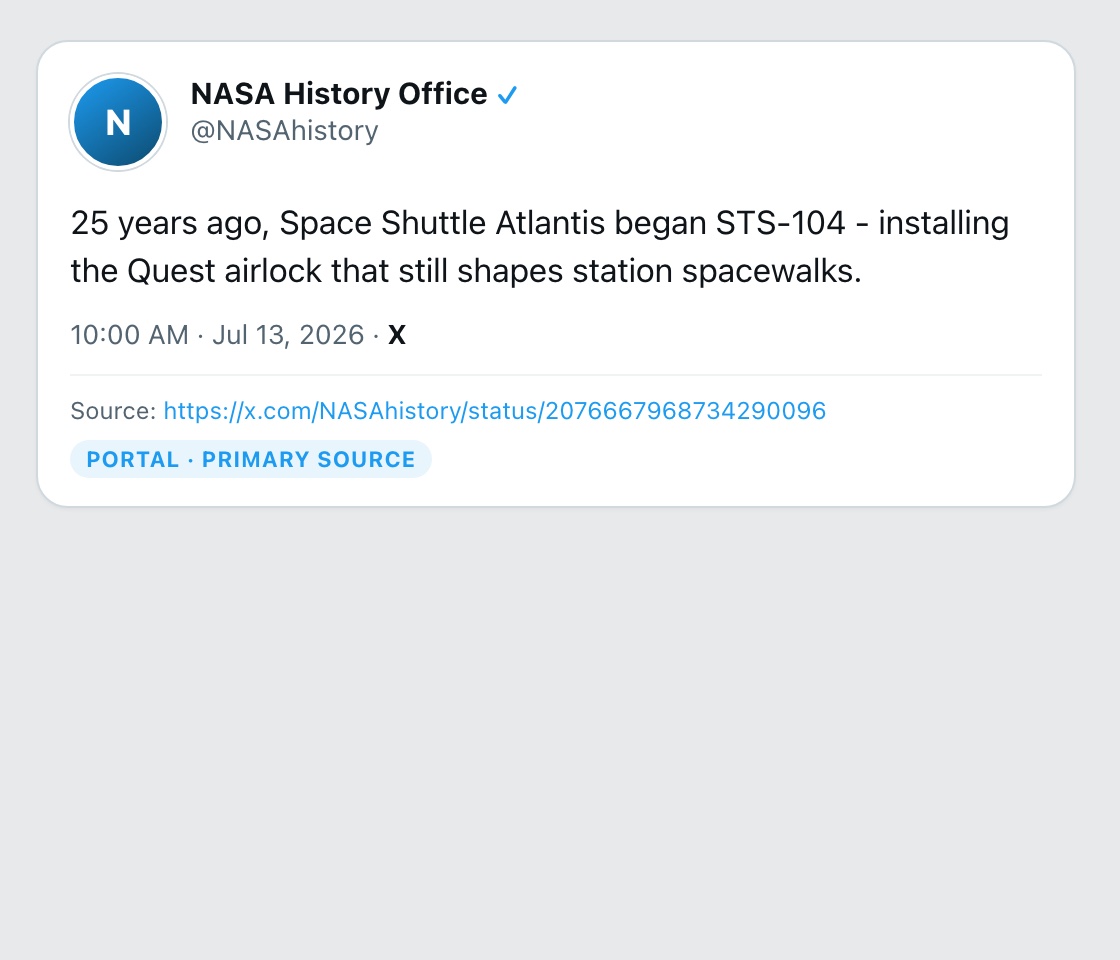
"The real stories are often buried beneath layers of sensationalism and partisan rhetoric."
While the press is tasked with holding power accountable, it also bears the responsibility of providing context. In a time when the public is craving authenticity, it is vital that journalists dig deeper and challenge the narratives that dominate the discourse. Without this commitment to uncovering the full story, the rich tapestry of global relations will continue to be reduced to mere sound bites.
A Call for Balanced Discourse
As we navigate this tumultuous political climate, it is essential to advocate for a more balanced discourse that embraces the intricacies of diplomacy. Both left and right should acknowledge that the oversimplification of issues does a disservice to the American public and to global stability. The consequences of ignoring the subtleties embedded in diplomatic communications can have ripple effects that extend far beyond the headlines.
In conclusion, as we sift through the cacophony of news and information, it is our duty as both journalists and consumers of news to seek out the hidden narratives that lie beneath the surface. The diplomatic cables, while often overlooked, hold key insights that can illuminate the challenges and opportunities we face on the global stage. It is time to bring these discussions to the forefront, moving beyond the extremes to foster a more informed and engaged citizenry.
✦ ✦ ✦