From the file. Written for the paper dated April 2017. Opened in the public stacks July 14, 2026.
In an age of polarized views and extreme partisanship, the Middle Seat Method offers a refreshing approach to political discourse. By focusing on the numbers and what they truly represent, we can challenge both left and right excesses while fostering a more nuanced understanding of the issues at hand.
The Rise of Extremism
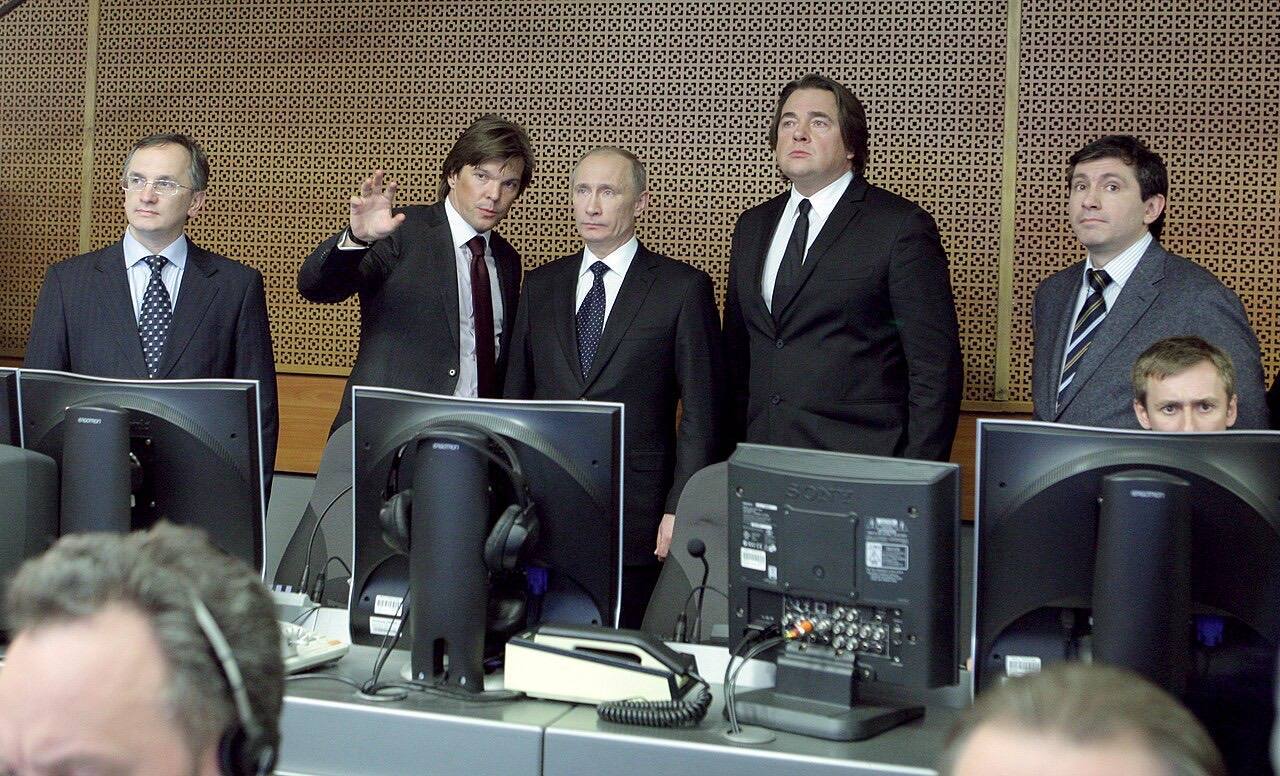
As we navigate the current political landscape in April 2017, it is undeniable that both major parties have fallen into the trap of hyperbole and exaggeration. The left often portrays every policy disagreement as an existential threat to democracy, while the right increasingly resorts to alarmist rhetoric surrounding immigration and national security. This binary thinking stifles genuine discussion and creates an environment where compromise seems impossible.
The Middle Seat Method Explained
The Middle Seat Method encourages individuals to occupy the metaphorical middle seat in a crowded airplane - uncomfortable, yet essential for balance. This approach compels us to confront the complexities of political issues beyond the simplistic left-right spectrum. By examining facts and statistics, we can derive insights that challenge the extremes and encourage constructive dialogue.

"The Middle Seat Method compels us to confront the complexities of political issues beyond the simplistic left-right spectrum."
What the Numbers Actually Show
When analyzing data, we must remember that numbers can be manipulated to support various narratives. For instance, unemployment rates have dropped significantly since the Great Recession. However, the left often ignores the underemployment issue and the reality that many workers have left the labor force altogether. Conversely, the right may tout tax cuts as a panacea for economic woes, disregarding the long-term implications of ballooning national debt and income inequality.
Bridging the Divide
To truly bridge the divide between the left and right, we must prioritize data-driven discussions over emotional appeals. For instance, the debate over healthcare reform is often marred by exaggerated claims on both sides. Proponents of single-payer systems highlight the failures of the current system without acknowledging potential drawbacks, while opponents dismiss any form of universal coverage as a step toward socialism.
In reality, a well-structured healthcare reform could combine elements from both sides - maintaining private options while ensuring coverage for the most vulnerable. Yet this middle ground is rarely explored because it does not fit neatly into the ideological boxes that dominate public discourse.
Excesses of Ideology
Both the left and right have their respective excesses that can overshadow rational debate. The left’s inclination to label dissenters as bigots or science deniers stifles open dialogue, while the right’s tendency to vilify opponents as enemies of the state fosters a culture of fear and division. These tactics are not only counterproductive but also detrimental to the health of our democracy.
Moreover, as we witness the rise of populism and nationalist sentiments, it is crucial to recognize that the solutions to our problems often lie not in rigid ideological positions but in the willingness to listen and adapt. The Middle Seat Method advocates for a shift away from ideological purity tests and toward pragmatic solutions that can garner broad support.
Conclusion: The Path Forward
As we continue to engage with one another in this contentious political climate, let us strive to adopt the Middle Seat Method. By focusing on what the numbers actually show and acknowledging the complexities of our issues, we can create a more respectful and productive dialogue. Ultimately, the goal is to foster an environment where collaboration and understanding can thrive, allowing us to navigate the turbulence of our time.
✦ ✦ ✦