From the file. Written for the paper dated April 2017. Opened in the public stacks July 14, 2026.
In recent weeks, a diplomatic cable uncovered through investigative reporting has drawn attention to the complexities of international relations, revealing not just the stark realities of global politics but also the selective interpretation of data by various factions.

The Numbers Game
As the cable made its rounds in the media, both the left and the right seized upon its contents to bolster their arguments. This is a classic example of how statistics can be manipulated to support a narrative, rather than illuminate the truth. The left highlighted the cable's warnings about rising authoritarianism in certain nations, using it as a rallying cry for stronger diplomatic measures. Meanwhile, the right focused on the implications of the cable, arguing that it exposed failures in the current administration's foreign policy.
Such behavior is not surprising in the polarized climate of 2017. Both sides appear to have an agenda that prioritizes rhetoric over substance, often at the expense of a nuanced understanding of the issues at hand. This tendency to cherry-pick data can lead to misleading conclusions about the effectiveness of diplomatic efforts.
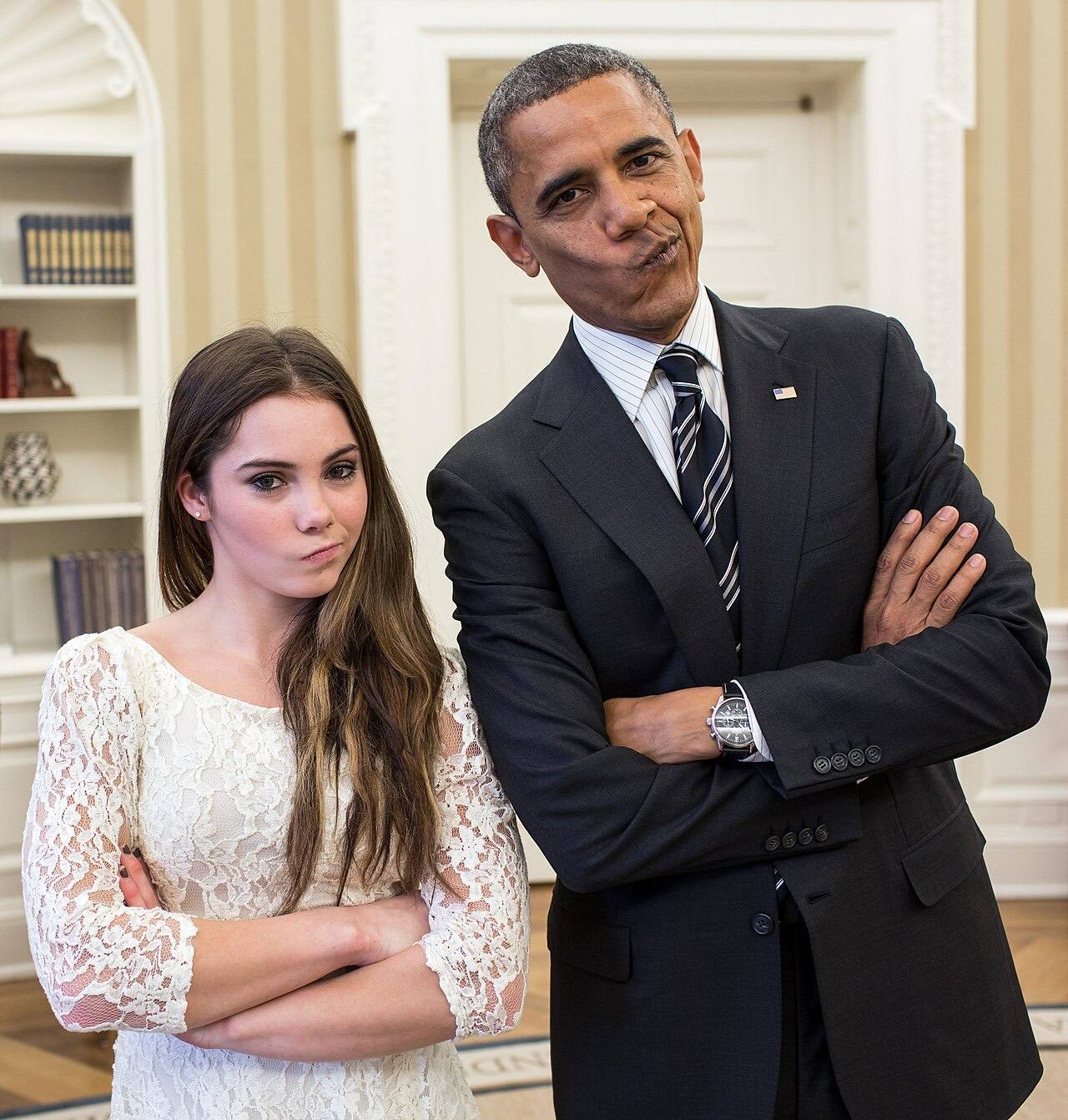
"Statistics can be a double-edged sword, wielded by those who seek to push their own narrative."
Selective Outrage
What is particularly troubling is how this selective outrage plays into broader narratives about American exceptionalism and the role of the United States on the world stage. The left frequently champions the idea that the U.S. must be a leader in promoting democracy and human rights, viewing any deviation from this path as a betrayal of our values. However, such a stance can overlook the complexities of global governance and the necessity of pragmatism in foreign affairs.

On the other hand, the right's tendency to paint all international engagements in broad strokes of failure - often invoking a sense of victimhood - can lead to a dangerous isolationism. This approach dismisses the value of diplomacy and the potential for positive change through engagement, instead opting for a more aggressive stance that could have long-term repercussions on global stability.
Understanding Context
The diplomatic cable in question sheds light on several key issues, including economic instability, human rights violations, and the rise of populist movements. Yet too often, the conversation stops at the surface level, with each side retreating to their ideological corners. The left may discuss the need for humanitarian aid and intervention, while the right may emphasize the importance of national security and border control, but neither addresses the root causes of these issues in a meaningful way.
Consider the economic factors that contribute to instability. Many nations facing unrest are grappling with crippling poverty, lack of education, and limited access to resources. A comprehensive approach that combines diplomatic efforts with economic support could foster long-term stability, but this requires cooperation and a willingness to engage with the complexities of each situation.
A Call for Rational Discourse
As we move forward, there is a pressing need for rational discourse that transcends political divides. It is vital for both sides of the aisle to recognize the value of collaboration in addressing international challenges. This means acknowledging the successes and failures of past policies without resorting to blame games or ideological posturing.
Engaging with the numbers in the diplomatic cable should serve as a starting point for deeper discussions about our role in the world. Instead of using the cable to score political points, lawmakers and citizens alike should approach the data with a sense of responsibility, seeking to understand the complexities of global relations rather than simplifying them into partisan talking points.
In an era marked by division, the ability to interpret information critically and engage in constructive dialogue could be our greatest asset. As we dissect the contents of such cables, let us strive to transcend partisan divides and foster a more informed, collaborative approach to foreign policy.
✦ ✦ ✦