From the file. Written for the paper dated March 2017. Opened in the public stacks July 14, 2026.
In the wake of fierce debates surrounding healthcare reform, public clinics have emerged as a crucial lifeline for many Americans. While the headlines may fade, the demand for accessible healthcare shows no signs of slowing down.
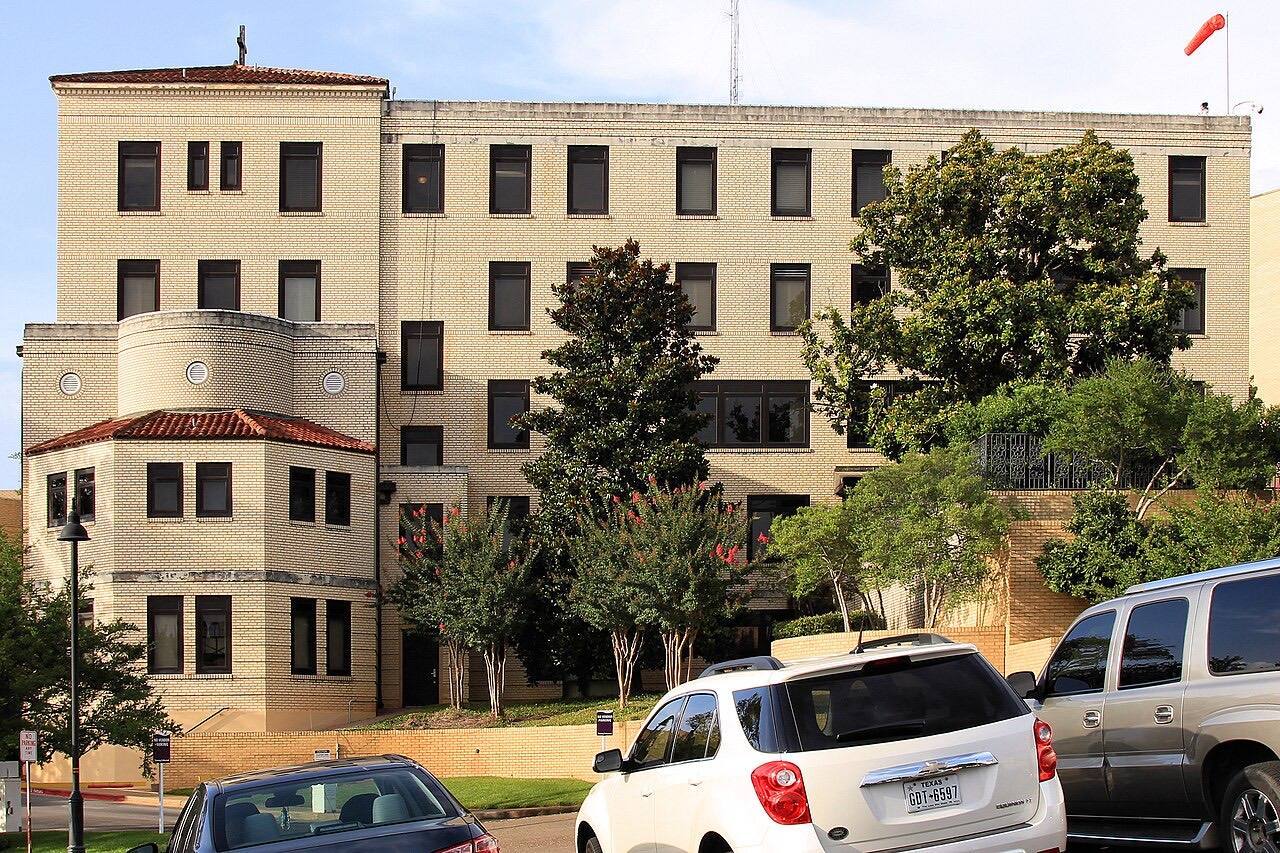
Public Clinics: A Growing Necessity
As Congress continues to grapple with the complexities of healthcare legislation, public clinics across the country stand as a testament to the urgent need for reliable medical services. These community-based facilities have become an appealing option for individuals and families seeking affordable care, especially in an environment characterized by escalating insurance costs and rising deductibles.

The increasing popularity of public clinics is fueled by a growing sense of uncertainty regarding the future of the Affordable Care Act (ACA) and potential changes in policy. Many citizens, feeling lost in the tumultuous political climate, are turning to these clinics, which provide a range of services including primary care, preventive screenings, and mental health support.
"In an age where healthcare feels increasingly unattainable, public clinics offer a glimmer of hope and stability."
The Certainty of Access
One of the main draws of public clinics is the certainty they provide. Patients can often walk in without an appointment, receive care, and leave without the burden of exorbitant costs that can accompany emergency room visits or specialty care. This immediacy is particularly appealing to those who may feel marginalized by the traditional healthcare system.

Moreover, many public clinics operate on a sliding scale, allowing patients to pay based on their income. This model not only incentivizes the use of these facilities but also fosters a sense of community. Residents know that they can seek help without the fear of financial ruin, a luxury that is increasingly rare in contemporary healthcare.
Political Polarization and Healthcare
The current political landscape has exacerbated the divide between left and right, especially when it comes to healthcare. On one side, progressive advocates argue that healthcare should be a universal right, pushing for expanded access and increased funding for public clinics. On the other, conservative voices often emphasize personal responsibility and the importance of market-driven solutions. This clash leaves many citizens feeling alienated and confused.

As a result, public clinics have become a refuge for those who feel caught in the crossfire of these debates. They represent a pragmatic approach to healthcare, one that prioritizes immediate care and community well-being over ideological purity. In a time when sweeping reforms seem out of reach, these clinics offer a tangible solution that resonates with individuals from both sides of the aisle.
Challenges Ahead
Despite their many benefits, public clinics are not without challenges. Many are underfunded and struggle to maintain staffing levels, leading to longer wait times and limited availability of services. Additionally, the political climate surrounding healthcare reform could impact future funding and support for these vital institutions.
As debates heat up regarding the future of the ACA and potential replacement plans, public clinics may find themselves at the mercy of shifting political winds. Advocates for these clinics emphasize the importance of continued investment and support to ensure that they can meet the growing demand for services.
The Bottom Line
In a time of uncertainty and political strife, public clinics have emerged as a beacon of hope for many seeking accessible healthcare. They offer a sense of stability in a landscape that often feels chaotic. As discussions around healthcare reform continue, one thing remains clear: the need for these clinics is greater than ever.
✦ ✦ ✦