From the file. Written for the paper dated March 2017. Opened in the public stacks July 14, 2026.
The recent flurry of FDA approvals has ignited discussions about the balance between public safety and the urgency for medical solutions, particularly in the face of ongoing health crises. As we delve into the implications of these approvals, the question arises: are we prioritizing certainty over caution?
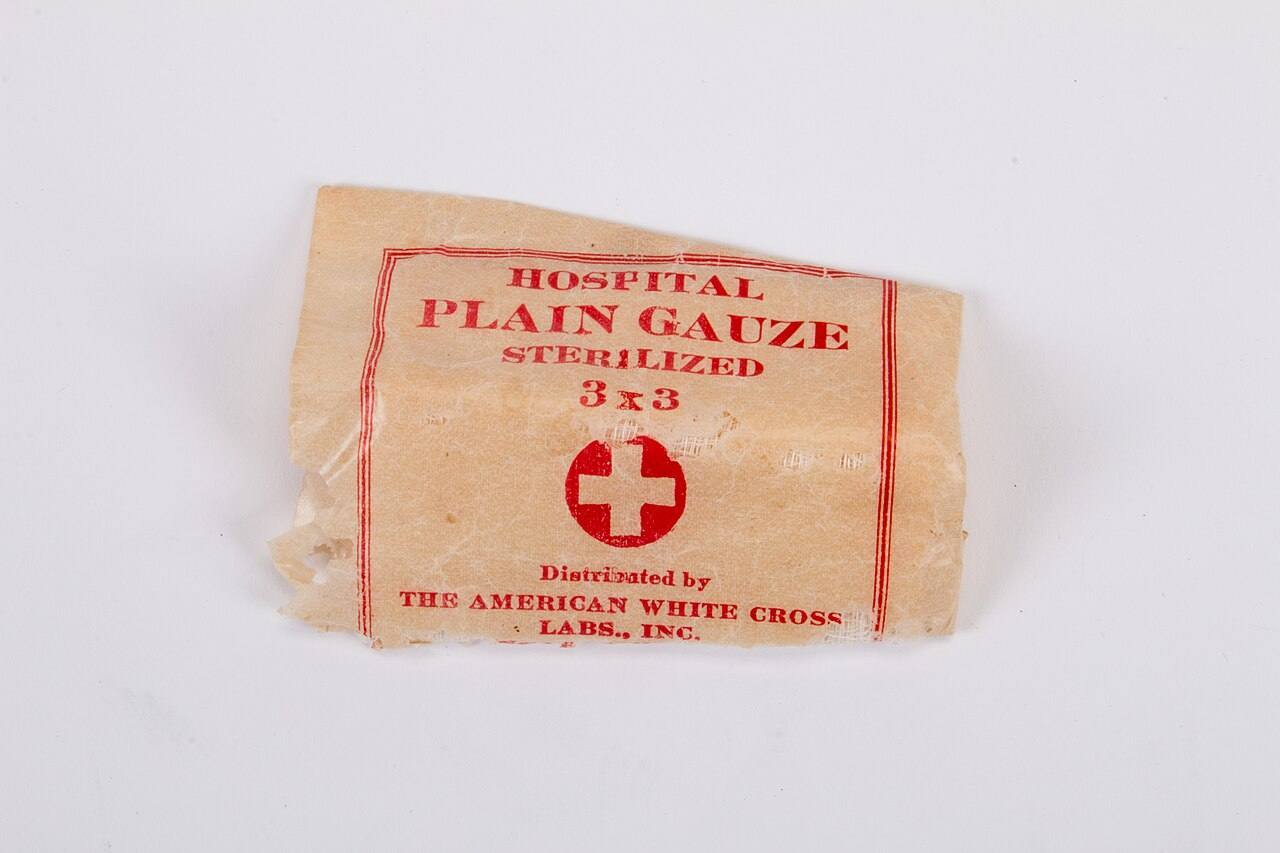
The High Stakes of Health Approvals
The Food and Drug Administration (FDA) has always played a crucial role in ensuring that the medications and medical devices reaching the market are safe and effective. However, in March 2017, the agency's recent approvals have sparked a debate that splits both sides of the political spectrum. On one hand, there are proponents who argue that expedited approvals are necessary to address urgent health needs, particularly in light of the opioid crisis and other pressing medical challenges. On the other, there are critics who warn that hastily approved drugs may pose significant risks to patients.
"The FDA's mission is to protect public health, but the pressure for quicker approvals is mounting."
In recent months, the FDA has approved several treatments that have been fast-tracked through the process. These approvals are often hailed as victories by both pharmaceutical companies and patients desperate for new therapies. Yet, as excitement swells over the potential benefits, it is essential to consider the implications of prioritizing speed over thorough scrutiny.

The Politics of Speed
It is no secret that political pressures influence the FDA's decision-making process. With healthcare being a pivotal issue in the current administration, the landscape is fraught with conflicting interests. The right often champions deregulation, arguing that reduced bureaucratic hurdles will lead to quicker access to life-saving medications. Meanwhile, the left raises concerns about the implications of these policies on patient safety, highlighting the risk of approving drugs without adequate testing.
The current environment has fostered a culture where certainty sells briskly. Patients want assurance that help is on the way, and pharmaceutical companies are eager to deliver that message. However, the push for rapid approval can lead to a troubling dynamic where the desire for quick solutions overshadows the importance of rigorous testing and validation.
Public Perception and the Role of Media
The role of media cannot be overstated in shaping public perception of FDA approvals. Headlines touting "miracle drugs" and "breakthrough therapies" often overlook the complexities involved in the approval process. The rhetoric surrounding these approvals can create an illusion of infallibility, leading the public to place undue trust in medications that may not have undergone extensive scrutiny.

"The urgency for new treatments must not come at the cost of public trust in our health systems."
This phenomenon is not exclusive to one side of the political aisle. The right’s emphasis on quick fixes can sometimes lead to overlooking potential hazards, while the left's cautionary stance can sometimes veer into alarmism. As journalists, it is our responsibility to navigate this landscape and provide a nuanced perspective that balances the excitement of new treatments with the necessity of ensuring public safety.
The Need for Balance
So what is the solution? Striking a balance between the need for timely access to drugs and the imperative of safety is crucial. Policymakers must prioritize transparency in the approval process while also ensuring that patients are well-informed about the risks associated with new medications.
Furthermore, fostering a culture of accountability within the pharmaceutical industry is essential. Companies should be encouraged to conduct comprehensive post-market studies to assess the long-term effects of their products, and the FDA should ensure that these studies are a prerequisite for approval.
Conclusion: A Call for Thoughtful Discourse
The ongoing discussions surrounding FDA approvals highlight the complexities of healthcare in America today. As both sides of the political spectrum grapple with the implications of rapid approvals, it is vital that we engage in thoughtful discourse. The stakes are high, and the implications of our choices today will resonate for years to come.
✦ ✦ ✦