From the file. Written for the paper dated March 2017. Opened in the public stacks July 14, 2026.
As the 2016 election cycle fades into memory, the conversation surrounding campaign finance has evolved from a heated battleground to a complex conversation about certainty, transparency, and accountability.
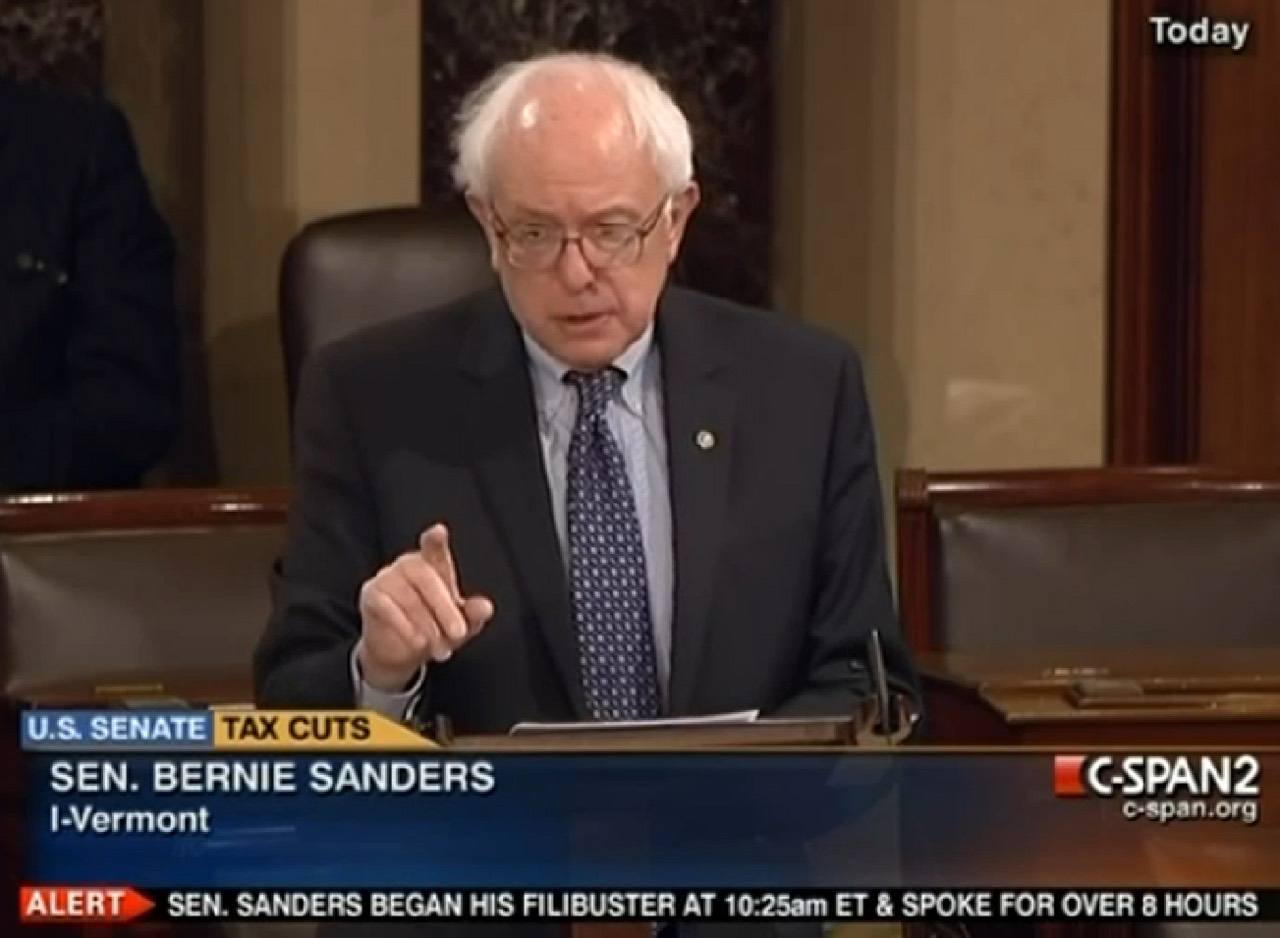
The Ever-Expanding Role of Money in Politics
The 2016 presidential election was a watershed moment in campaign finance, marked by the unprecedented flow of money into political campaigns. The Citizens United ruling in 2010 set the stage for a new era, allowing corporations and unions to spend unlimited amounts on political advocacy. As a result, super PACs have emerged as major players, often overshadowing traditional party structures. This has led to a marketplace where certainty - whether in the form of funding or messaging - has become a commodity.

On the left, many progressives argue that the current system is corrupting democracy, creating a landscape where only the wealthy can afford to compete. They advocate for campaign finance reform, aiming to reduce the influence of money in politics and promote greater transparency. Yet, even as they rally against the excesses of big-money donors, some progressive groups have begun to rely on their own super PACs to counter the flood of conservative spending. This paradox raises questions: Is it truly about reform, or is it simply about winning?
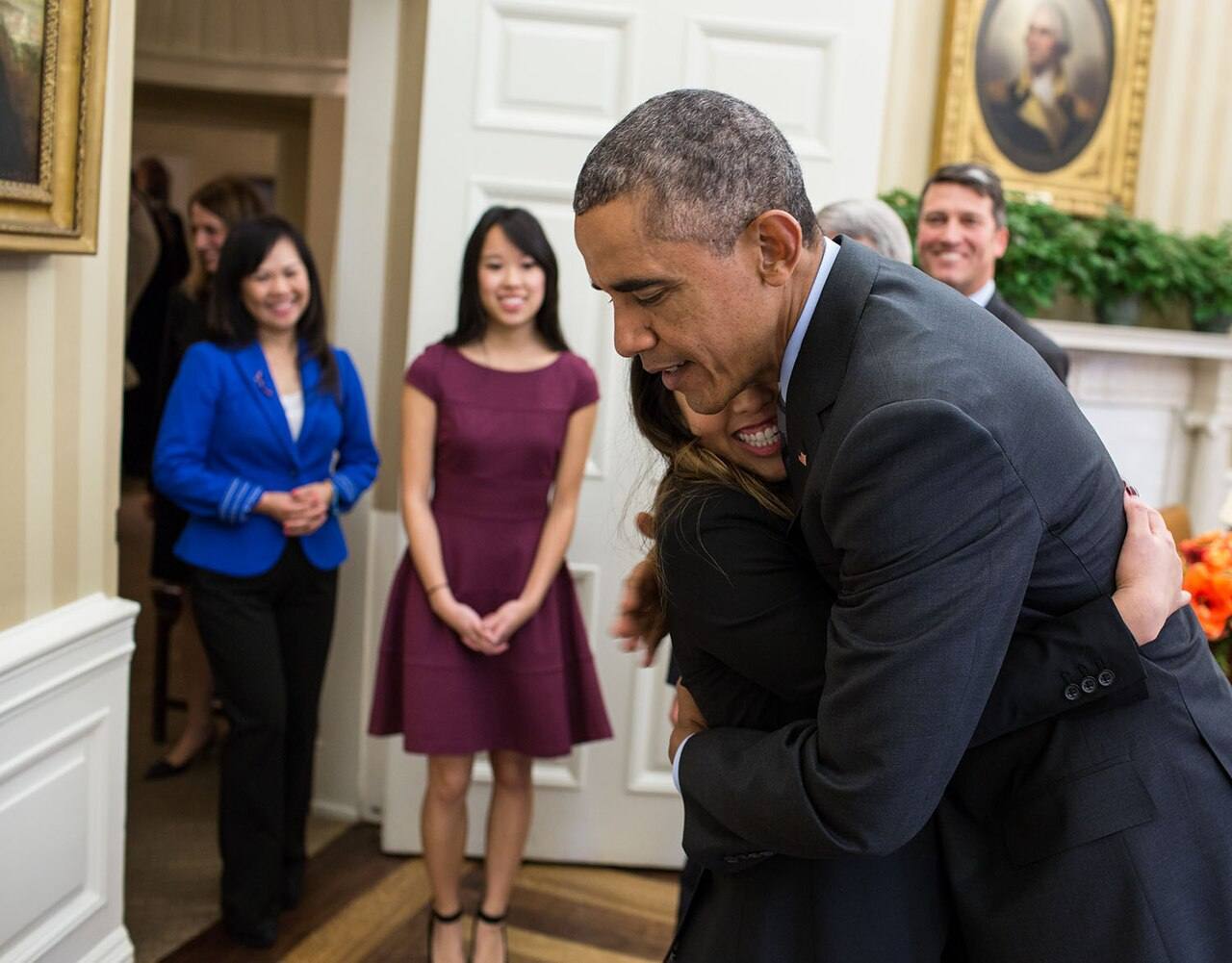
The Right's Reliance on Dark Money
On the right, the Republican Party has embraced the dark money phenomenon, with many donors opting to remain anonymous. Groups like the Koch brothers' Americans for Prosperity have become synonymous with the funding of conservative candidates and causes. This practice raises concerns about accountability and the influence of shadowy interests on public policy. Critics argue that this lack of transparency undermines democracy, as voters are left in the dark about who is truly driving political agendas.
Yet, as the right rallies around these funding strategies, they also tout the efficacy of their approach. They argue that by empowering wealthy donors to support candidates who align with their values, they are fostering a more vibrant political discourse. This rhetoric, however, often glosses over the potential consequences of a system that favors the wealthy and powerful.
"In a world where money equals speech, the voices of ordinary citizens are often drowned out." - An unnamed political analyst
Compromise and Common Ground
In this landscape of extremes, there is a growing need for compromise. Both sides must recognize that while campaign finance reform is critical, it must also be practical. Striking a balance between ensuring transparency and allowing for the free flow of political expression is no small feat. However, the current climate of partisan division makes it increasingly difficult to achieve consensus.
While activists on both sides of the aisle push for sweeping reforms, the reality is that any substantial change will require a willingness to engage in dialogue. This means acknowledging the legitimate concerns of opponents while also standing firm on core principles. The danger lies in retreating to echo chambers where the only voices heard are those that align with one's own views.
The Role of Voters in a Money-Driven System
Voters, however, have the ultimate power to influence the political landscape. As consumers of political messaging, they must demand accountability from candidates and parties alike. This may mean pushing for candidates who reject super PAC funding or who commit to transparency regarding their fundraising sources. Voter engagement, therefore, becomes a pivotal force in shaping the future of campaign finance.
As citizens become more informed about the implications of campaign finance, they can hold politicians accountable for their fundraising practices. This shift in voter attitudes can create a ripple effect, encouraging candidates to adopt more transparent practices and reconsider their reliance on big-money donors.
Looking Ahead: The Future of Campaign Finance
The future of campaign finance remains uncertain, but one thing is clear: certainty is selling briskly. In a world rife with ambiguity, both sides of the political spectrum are seeking solid ground. For progressives, this might mean a renewed emphasis on grassroots fundraising, while conservatives may continue to double down on their reliance on wealthy donors.
Ultimately, the challenge lies in forging a path forward that champions democratic values while recognizing the role of money in politics. This requires not only legislative change but also a cultural shift in how we view political funding. As the dust settles from the 2016 election, the time for meaningful dialogue and reform is now.
✦ ✦ ✦