From the file. Written for the paper dated February 2017. Opened in the public stacks July 14, 2026.
As oil prices continue to fluctuate, a curious bipartisan amnesia has set in regarding the factors influencing these changes. Both sides of the political spectrum seem to forget their own narratives when it comes to energy policy and its broader implications.
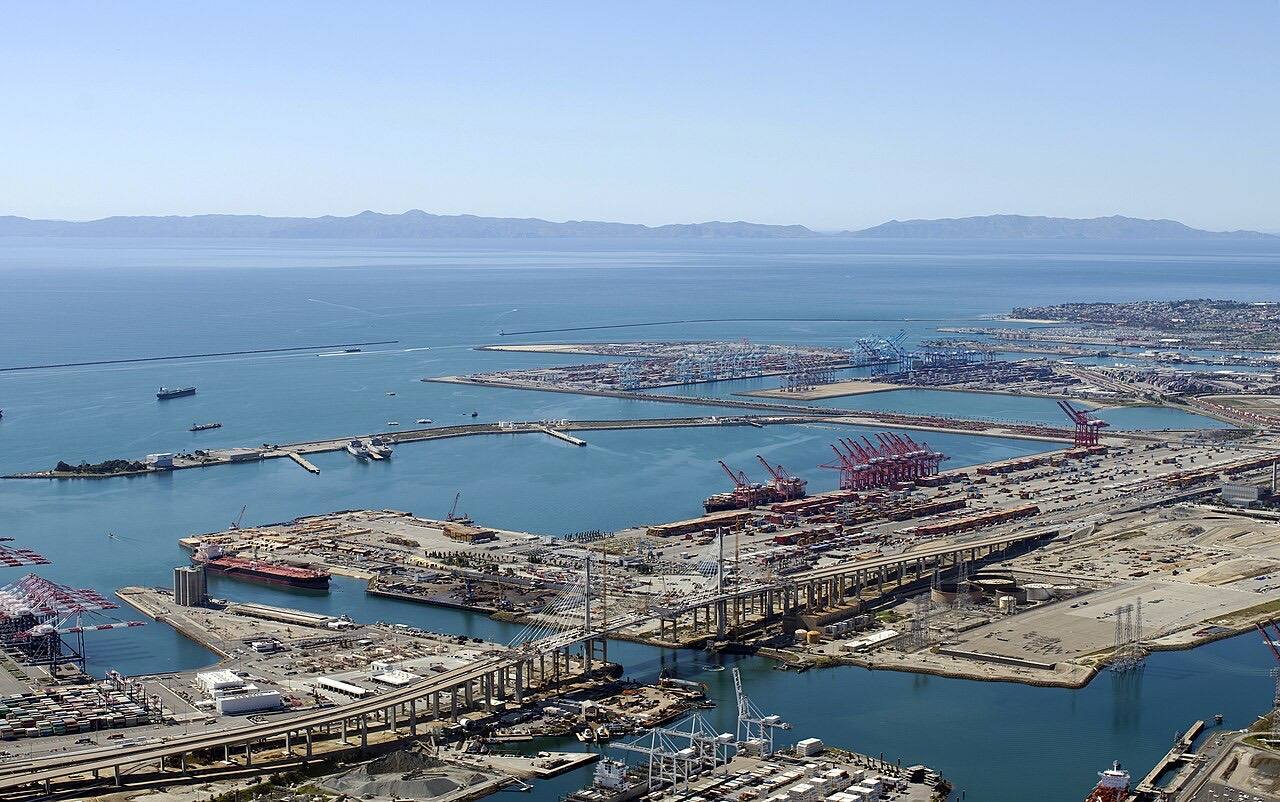
Current Landscape of Oil Prices
As of February 2017, oil prices have been a hot topic, hovering around the $50 per barrel mark. This figure has significant implications for both consumers and the economy at large. The price of crude oil affects everything from gas prices at the pump to heating costs in homes across the country. When prices rise, Americans express their frustration; when they drop, the narrative shifts to the benefits of lower energy costs.
What remains glaringly evident through this ongoing conversation is the tendency of both Democrats and Republicans to selectively remember or forget their past positions based on the prevailing winds of public opinion. This selective memory often leads to a muddled understanding of the complexities surrounding energy policy and oil price fluctuations.

The Left's Convenient Amnesia
On the left, the narrative has often focused on climate change and the need for a transition to renewable energy sources. While the urgency of addressing climate change is undeniable, it is somewhat ironic that many progressive voices have failed to acknowledge the role of domestic oil production in stabilizing prices. The boom in U.S. oil production, largely due to shale technology, has been a significant factor in influencing global oil prices. Yet, the left's disdain for fossil fuels can sometimes lead to a downplaying of this achievement.

“The reality is that our dependence on foreign oil has been lessened, but that achievement gets overshadowed by calls for immediate transition to renewables.”
The Right's Oversight of Regulatory Influence
Conversely, the right often emphasizes deregulation and the promotion of fossil fuel production as a panacea for high oil prices. While it is true that regulations can impact production and supply, this perspective sometimes glosses over the complexities of global market dynamics. The right’s focus on blaming regulations for high prices can conveniently ignore the influence of OPEC decisions, geopolitical tensions, and other external factors that affect supply and demand.
Moreover, the Republican narrative often treats oil as an unmitigated good, conveniently neglecting the environmental costs associated with its extraction and consumption. This selective memory can hinder genuine discussions about energy independence and sustainability.

Where Do We Go from Here?
The challenge for both sides is to foster a more nuanced and honest dialogue about oil prices and energy policy. Acknowledging the contributions and consequences of domestic oil production, while also recognizing the need for a transition to cleaner energy sources, could lead to a more balanced approach. The reality is that the energy landscape is evolving, and policymakers must adapt to these changes rather than cling to outdated narratives.
Conclusion
In the end, the bipartisan habit of selective memory not only clouds public understanding of oil prices but also stymies progress toward a more sustainable energy future. Both the left and right need to confront the complexities inherent in energy policy, recognizing that the path forward requires cooperation, compromise, and a willingness to engage with the facts, rather than the narratives that serve their immediate political interests.
✦ ✦ ✦