From the file. Written for the paper dated February 2017. Opened in the public stacks July 14, 2026.
As Congress wrestles with yet another budget standoff, it becomes increasingly clear that both sides of the aisle have developed a troubling habit of selective memory when it comes to fiscal responsibility.
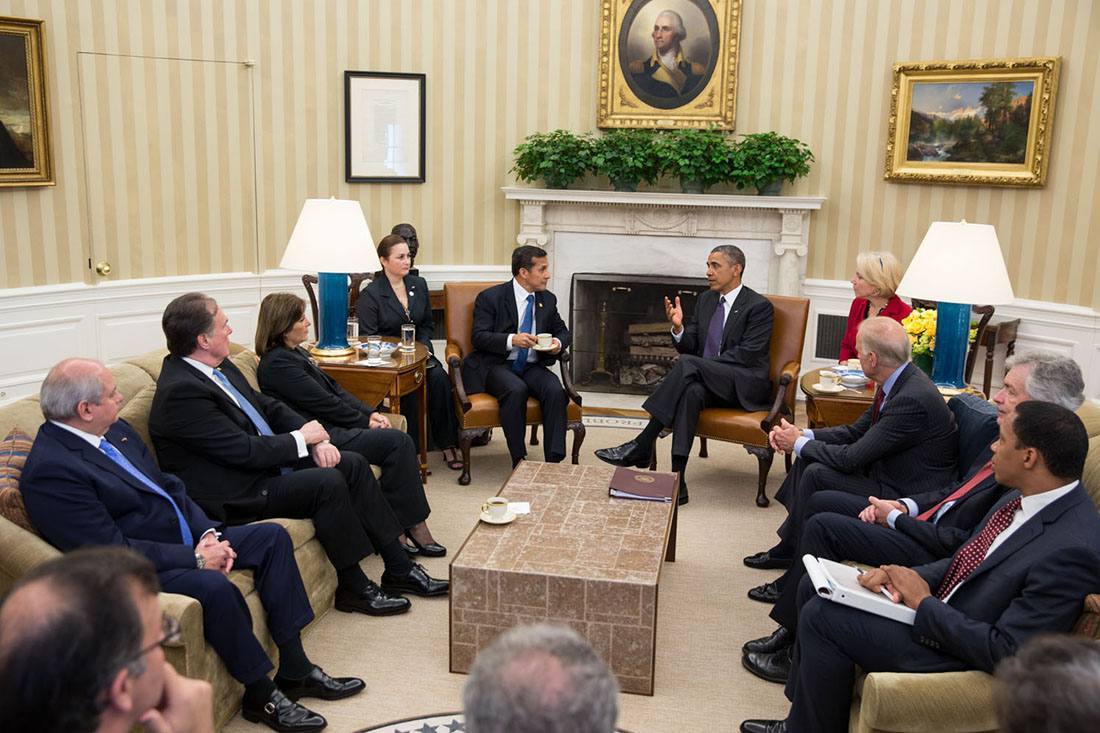
The current budget impasse is not merely a battle over numbers on a ledger; it is a reflection of the deep ideological divides that have come to characterize American politics. The Democrats and Republicans, while often at odds, share a peculiar tendency to ignore their respective pasts when it suits their current narratives. This selective memory manifests itself in the way each party interprets fiscal responsibility and government spending.
Historical Amnesia on Spending
To the left, the focus often lands on the immediate needs of the American people, championing programs aimed at healthcare, education, and social welfare. Yet, when it comes to fiscal responsibility during the years of the Obama administration, many Democrats conveniently overlook the ballooning national debt that accompanied their spending initiatives. Instead, they tend to frame the discussion around the necessity of investment in social programs, branding any critique as an attack on the vulnerable.

On the other hand, the Republicans have taken the opportunity to cast themselves as the guardians of fiscal conservatism, often condemning the very spending they previously endorsed during the George W. Bush administration. The GOP's campaign against government spending seems to vanish when it comes to defense budgets or tax cuts for the wealthy, leaving the party with an inconsistent narrative that fails to account for their own past actions.
In the world of politics, nostalgia is a powerful tool, but it can often lead to a dangerous disconnect from reality.
This bipartisan habit of selective memory not only hinders productive discourse but also perpetuates a cycle of blame and defensiveness. Each party risks alienating the very constituents they claim to serve by refusing to acknowledge the complexities of the fiscal landscape. Instead of working towards a balanced budget that accommodates both essential services and fiscal prudence, Congress remains trapped in a tug-of-war where neither side is willing to compromise.
The Political Theatre of the Budget Standoff
As the budget standoff unfolds, it is difficult to ignore the political theatre that accompanies these discussions. Both parties engage in a performance, appealing to their bases while ignoring the broader implications of their strategies. The Republicans rail against “big government” while proposing significant increases in military spending, and Democrats plead for social justice funding without addressing the fiscal ramifications of their proposals.
What is particularly frustrating is how this political performance often overshadows the real issues at stake. The American public is left to navigate a complex budget process that directly impacts their lives, yet they are fed a steady diet of soundbites and slogans rather than concrete solutions. For everyday citizens, the stakes are high, but the dialogue remains mired in partisan bickering.
In this environment, it becomes increasingly vital for citizens to demand accountability from their elected officials. Voters must push for a more nuanced conversation that recognizes the complexities of fiscal policy rather than allowing themselves to be swept up in partisan rhetoric. It is essential to engage with the facts surrounding budget proposals, rather than simply accepting the narrative spun by either party.
The Path Forward
Moving forward, a commitment to bipartisanship is essential for addressing the budget standoff effectively. Both parties must confront their selective memories and acknowledge the shared responsibility for the current fiscal challenges. This includes recognizing the historical context of spending decisions and the long-term implications of their policies.
Ultimately, the path to a sustainable budget lies in a willingness to engage in honest dialogue and compromise. Lawmakers must prioritize the interests of the American people over partisan victories, leading to a budget that reflects both the needs of the populace and the principles of fiscal responsibility. Without such an approach, the cycle of budget standoffs will continue, leaving the American public caught in the crossfire.
✦ ✦ ✦