From the file. Written for the paper dated January 2017. Opened in the public stacks July 14, 2026.
In the wake of severe weather events that have dominated headlines, a quieter, less visible issue has emerged in the realm of meteorological science: the reliability and oversight of weather models.
The Role of Weather Models
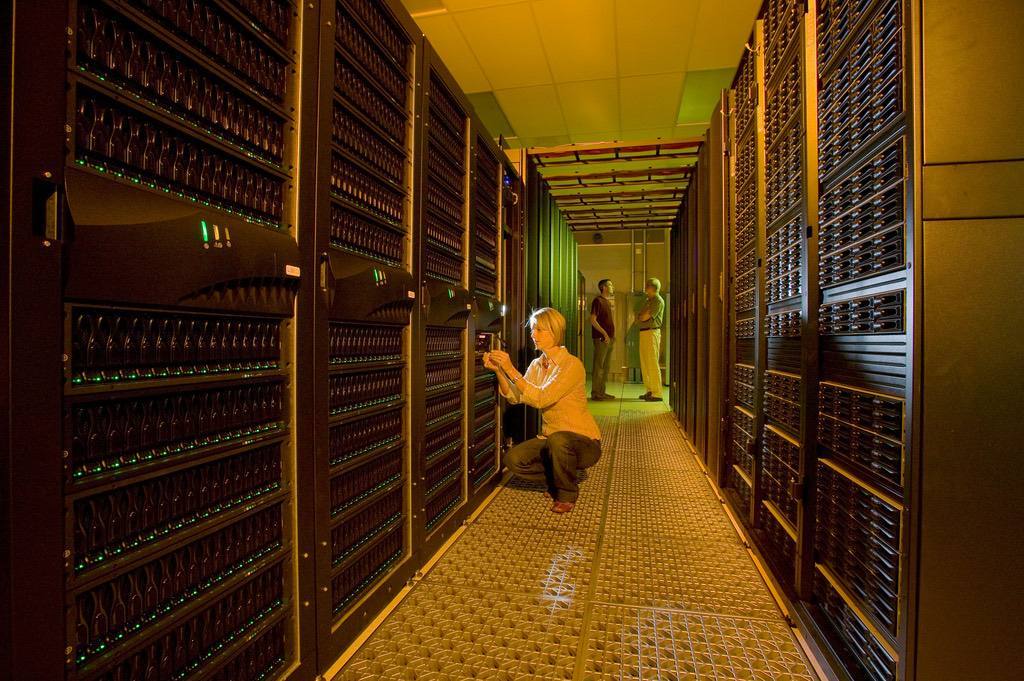
Weather models are the backbone of forecasting, utilizing complex algorithms and vast amounts of data to predict atmospheric conditions. From daily forecasts to severe storm alerts, these models are essential tools for meteorologists. However, as we dive deeper into the mechanics of these systems, it becomes apparent that the oversight governing their accuracy and efficacy has not kept pace with technological advancements.
A Call for Scrutiny
While the public often focuses on the sensational aspects of weather - hurricanes, blizzards, and heatwaves - less attention is paid to the models that predict these phenomena. The National Oceanic and Atmospheric Administration (NOAA) and other agencies are tasked with ensuring that these predictions are as accurate as possible, yet significant gaps in oversight have been highlighted.
"The reliance on models can lead to a false sense of security, or worse, panic."
Facing the Limits of Technology
Many meteorologists have voiced concerns regarding the limitations of current weather models, particularly in their ability to predict localized events. As weather patterns become increasingly erratic due to climate change, models that were once reliable are struggling to keep up. The reliance on models can lead to a false sense of security, or worse, panic. When forecasts fail to materialize as expected, the repercussions can be dire.
Political Pressure and Funding Issues
Moreover, political pressure can interfere with the accuracy of these forecasts. Funding for meteorological research and development is often contingent on public opinion and political agendas. This can result in a lack of investment in the necessary technology and methodologies that could enhance forecasting capabilities. For example, budget cuts in recent years have severely impacted NOAA's ability to upgrade its weather models, making it harder for meteorologists to provide accurate forecasts.
Success Stories and Their Pitfalls
While there have been notable successes in weather prediction - such as advanced warnings for hurricanes - the failures are just as significant. The 2015 South Carolina floods serve as a poignant reminder of the limitations of forecasting models. Despite warnings, the extent of the rainfall was underestimated, leading to catastrophic flooding. This incident raises questions about the integrity of the models that guided those predictions.
Looking Ahead: The Need for Reform
As we move further into an era of rapid climate change, the need for reform in weather model oversight is becoming critical. It is essential that agencies like NOAA not only refine their models but also enhance their transparency and accountability. Stakeholders - including meteorologists, policymakers, and the public - must demand a system of checks and balances that ensures models are rigorously tested and validated.
Conclusion
As we experience the effects of climate change more acutely, the importance of reliable weather forecasts cannot be overstated. The failures of oversight in weather modeling are not just a scientific issue; they are a matter of public safety that demands immediate attention. Ensuring the integrity of our weather models is essential to protect lives and property as we navigate an increasingly unpredictable climate.
✦ ✦ ✦