From the file. Written for the paper dated January 2017. Opened in the public stacks July 14, 2026.
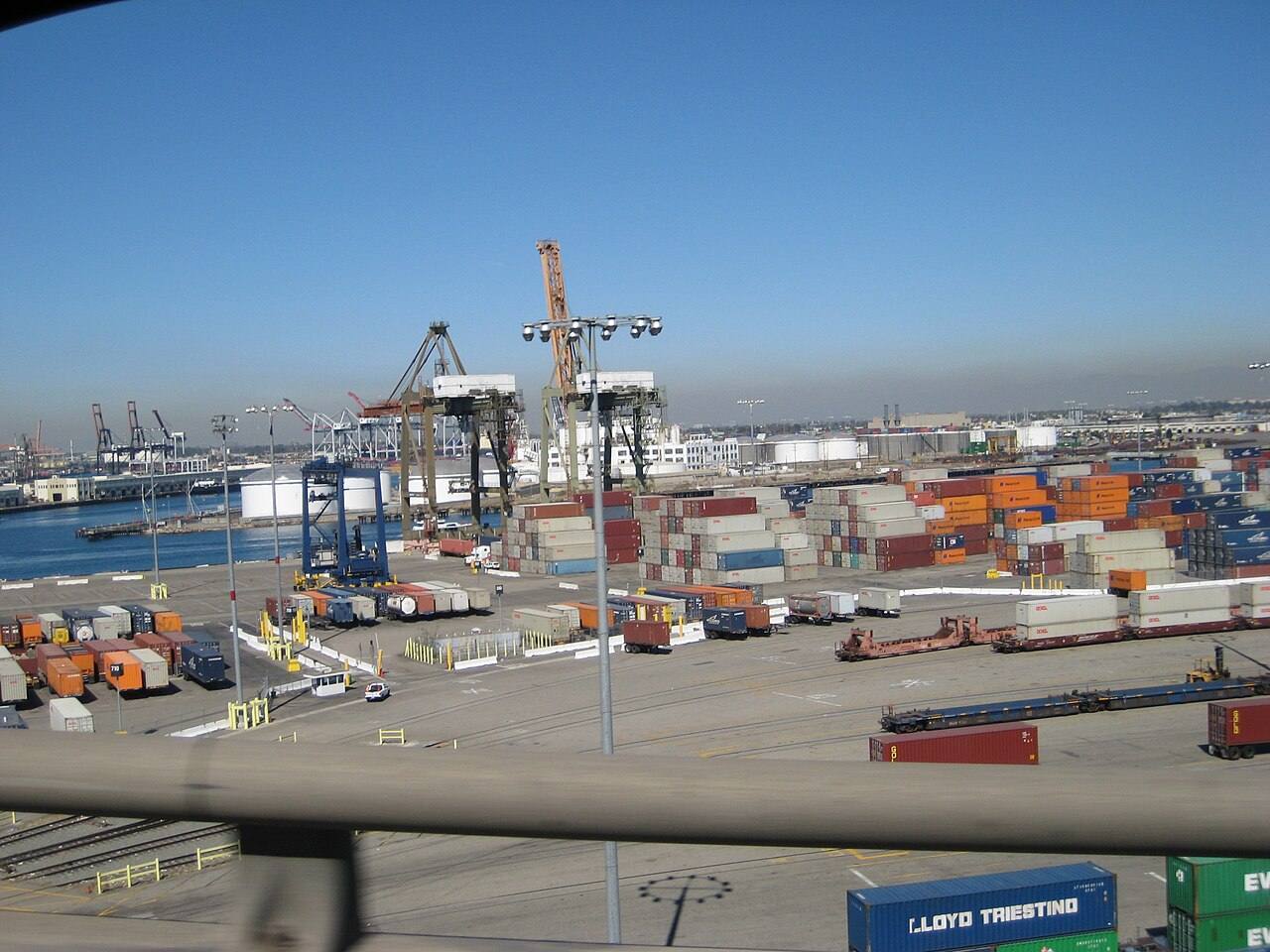
In a world where global trade is ever-increasing, the efficiency and security of shipping lanes should be a priority. Yet, as headlines fade, it seems the oversight of these crucial routes has been left quietly wanting.
Unseen Challenges in Global Shipping
The maritime industry serves as the backbone of international commerce, transporting approximately 90 percent of the world's goods. But what happens when the very lanes that facilitate this movement become vulnerable to a myriad of challenges? From piracy to regulatory failures, the dangers lurking in the shadows of shipping routes are alarming and often overlooked.
In recent years, incidents of piracy have surged in certain regions, particularly off the Horn of Africa and in the Gulf of Guinea. While international naval coalitions have made strides to combat this menace, shipping companies are often left to navigate these threats with insufficient support. As we enter 2017, concerns about the efficacy of these efforts remain high. The resources allocated to safeguarding shipping lanes appear inadequate, leaving companies vulnerable to attacks that can disrupt supply chains and endanger lives.
"The very lanes that facilitate this movement become vulnerable to a myriad of challenges."
Regulatory Overreach and its Consequences
At the same time, the regulatory landscape surrounding shipping is fraught with excessive bureaucracy. While regulations are essential for ensuring safety and environmental protection, the labyrinth of compliance requirements can stifle innovation and create inefficiencies. Companies often find themselves grappling with varying regulations across jurisdictions, leading to confusion and delay.
The left’s push for stringent environmental regulations, while well-intentioned, sometimes overlooks the practicalities of implementation. For instance, the push for cleaner fuels in shipping has been met with resistance from industry leaders who argue that the transition is not only expensive but also logistically challenging. The regulatory framework needs to strike a balance between environmental sustainability and economic viability, yet achieving this equilibrium has proven elusive.

Market Pressures Amplifying Risks
On the other end of the spectrum, the right's emphasis on deregulation often prioritizes profit over safety. While reducing the regulatory burden can indeed foster growth, it also risks compromising safety and security standards. In a race to cut costs, some companies may neglect essential maintenance or fail to invest in the latest navigational technology. The maritime industry cannot afford to make safety an afterthought, especially when it is intertwined with the broader economy.
International Cooperation: A Necessary Step
As we move further into 2017, international cooperation must take center stage. Countries need to come together to develop comprehensive strategies that address piracy, share intelligence, and ensure that shipping lanes remain safe and secure. Collaborative efforts must also extend to regulatory bodies to harmonize standards and create a framework that supports both safety and sustainability.
Moreover, the private sector must also play a proactive role. Shipping companies should invest in advanced technologies that enhance navigation and security, while also advocating for sensible regulations that protect both their interests and the environment. The responsibility does not lie solely with governments; it is a collective effort that requires commitment from all stakeholders.
Conclusion: The Path Forward
The challenges facing shipping lanes today are a reflection of broader societal trends - where the extremes of left and right often lead to a lack of practical solutions. As headlines about shipping fade and public interest wanes, the maritime industry must not be allowed to languish in neglect. It is time for a renewed commitment to oversight and cooperation that acknowledges the complexities of global trade while ensuring the safety and sustainability of shipping routes.
✦ ✦ ✦