From the file. Written for the paper dated December 2016. Opened in the public stacks July 14, 2026.
Factory orders are often seen as a bellwether of economic health, providing insight into the manufacturing sector's current and future performance. This week, the latest figures reveal a landscape marked by both optimism and concern, reflecting the dichotomy of perspectives prevalent in today’s political discourse.

Current Trends in Factory Orders
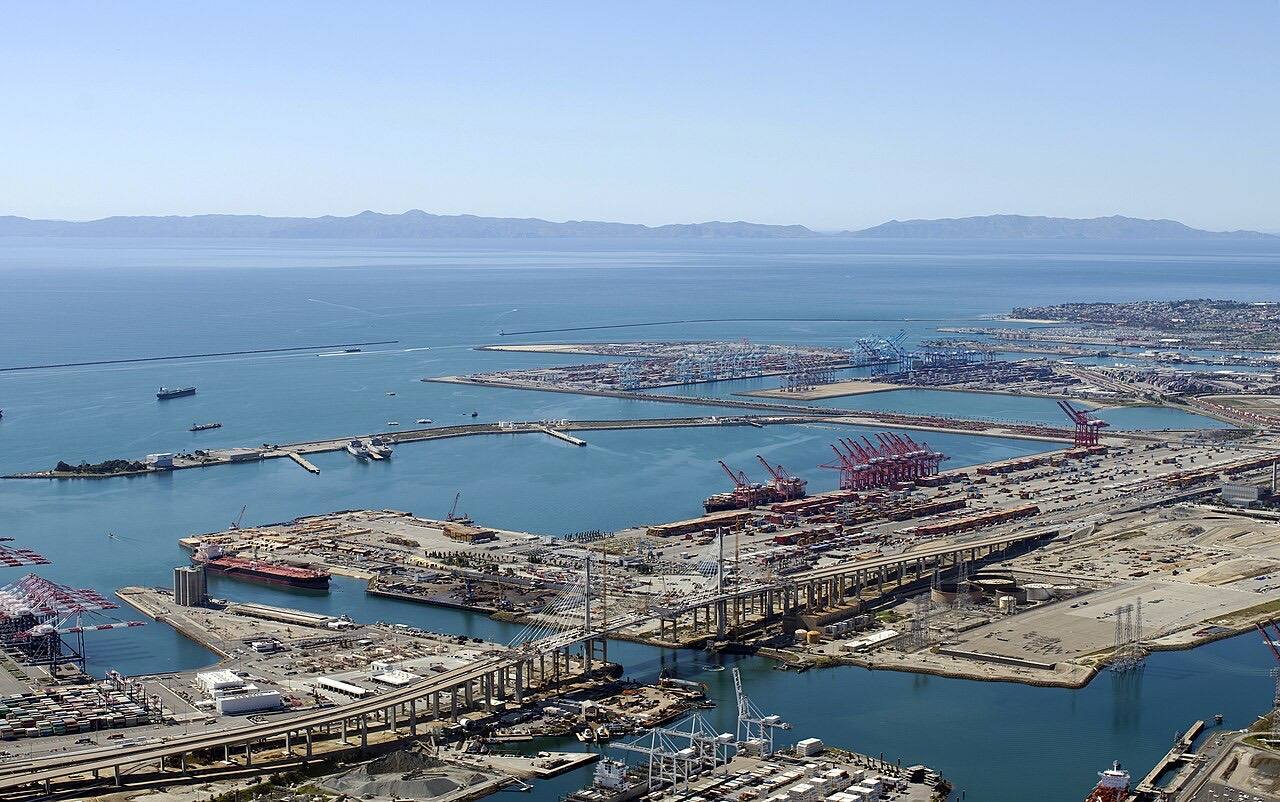
According to the latest report from the Commerce Department, factory orders rose by a modest 2.7 percent in October, a positive sign for manufacturers. This uptick comes after several months of stagnation and is a welcome relief for an industry that has faced significant challenges over the past year. The increase is driven primarily by durable goods, particularly in the transportation sector, which has seen a notable boost thanks to increased demand for vehicles.
However, while the numbers reflect growth, it is essential to consider the broader context. Many industry experts caution against reading too much into a single month's data. The manufacturing sector is still grappling with uncertainties stemming from trade policies and fluctuating global markets. The recent election has further complicated matters, with mixed signals about potential shifts in trade agreements and tariffs.
Political Implications
The rise in factory orders has drawn praise from some corners of the political spectrum, particularly those who advocate for pro-manufacturing policies. Supporters argue that the increase is a direct result of the current administration's initiatives to stimulate domestic production. They tout the importance of reviving American manufacturing as a cornerstone of economic policy, highlighting a renewed focus on job creation.
"We need to support our factories and bring jobs back to America," a prominent business leader remarked. "This increase is a step in the right direction."
On the other hand, critics argue that the optimism surrounding the manufacturing sector is misplaced. They point to the fact that many factories continue to struggle with automation and the loss of jobs. The notion that factory orders alone can revitalize the economy is overly simplistic, they say. Instead, systemic issues such as income inequality and inadequate worker training must be addressed to ensure long-term sustainable growth.
The Manufacturing Sector's Challenges
Despite the positive news, the manufacturing industry still faces significant headwinds. A report by the Institute for Supply Management indicates that while new orders are up, inventory levels remain high, suggesting that some manufacturers are producing more than they can sell. This imbalance could lead to a slowdown if demand does not keep pace with supply.
Additionally, many manufacturers express concerns about rising costs, including raw materials and labor. The recent election has also injected uncertainty into the market, with many businesses unsure about the future direction of trade policies. This uncertainty can stifle investment and hiring, counteracting any positive trends in factory orders.
Looking Ahead
As we approach the end of the year, the outlook for the manufacturing sector remains cautiously optimistic. The latest data may offer a glimmer of hope, but it is essential to temper expectations with a clear understanding of the challenges ahead. The manufacturing industry is at a crossroads, and how policymakers respond in the coming months will be critical in shaping its future.
In conclusion, while the increase in factory orders is a positive development, it is crucial to maintain a balanced perspective. The political debate surrounding manufacturing often swings between extremes, with both sides vying for the narrative that best supports their agendas. It is vital for stakeholders - manufacturers, workers, and policymakers - to engage in a constructive dialogue focused on sustainable solutions rather than partisan rhetoric.
✦ ✦ ✦