From the file. Written for the paper dated November 2016. Opened in the public stacks July 14, 2026.
As the nation grapples with questions surrounding energy production and safety, the complexities of nuclear plant inspections often go overlooked, revealing a system that is both vital and contentious.
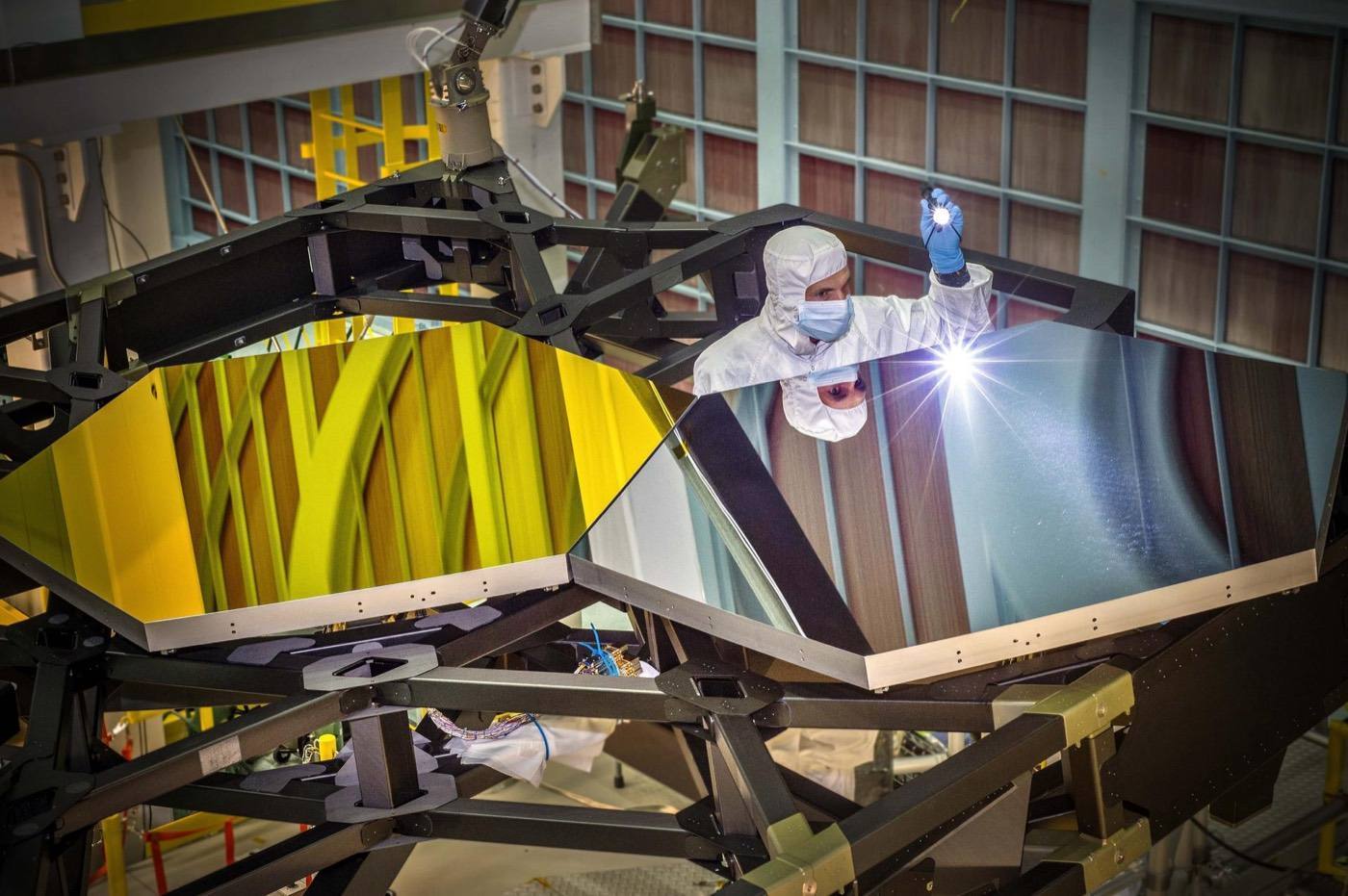
Nuclear Inspections: The Unseen Backbone of Energy Safety
Nuclear power plants are a cornerstone of America's energy infrastructure, providing nearly 20 percent of the nation’s electricity. Yet, the processes governing their inspection and regulation remain shrouded in ambiguity. Many citizens are blissfully unaware of the rigorous protocols that ensure these facilities operate safely, while others may be overly critical of the perceived laxity of oversight. This dichotomy highlights a fundamental issue: the necessity of informed discussions around nuclear safety that transcend divisive political rhetoric.

At the heart of nuclear safety is the Nuclear Regulatory Commission (NRC), an agency tasked with overseeing the industry's compliance with safety standards. However, public perception of the NRC is often tainted by sensationalized media narratives that focus on accidents, rather than the extensive preventative measures taken. The reality is that nuclear inspections are a multifaceted process involving routine checks, emergency preparedness evaluations, and comprehensive assessments of operational protocols.

Behind the Curtain: The Inspection Process
The inspection process is not merely a bureaucratic formality; it is a critical component of ensuring the safety and reliability of nuclear plants. Inspectors conduct regular evaluations that include examinations of equipment, safety systems, and the readiness of personnel to respond to potential emergencies. The frequency and depth of these inspections can vary, with some facilities undergoing detailed assessments every few years, while others may have annual or even more frequent evaluations.
However, this system is not without its critics. Some argue that inspections can be influenced by political pressures or industry lobbying, potentially compromising the integrity of the oversight process. For example, the recent debates around the Clean Power Plan have ignited concerns that regulatory agencies may prioritize political agendas over public safety. Such fears can lead to a lack of trust in the very institutions designed to protect the public.
"The public deserves transparency in the inspection process, yet the complexities often lead to more questions than answers."
Balancing Safety and Innovation
While critics on the left often advocate for stricter regulations and heightened scrutiny, those on the right may argue for deregulation, touting the economic benefits of a more flexible energy market. This tug-of-war can stifle constructive dialogue on how to best ensure safety while promoting innovation in the nuclear sector.

The reality is that as nuclear technology evolves, so must the inspection processes that govern it. The rise of advanced reactor designs and the potential for new energy sources, such as small modular reactors, necessitates a re-evaluation of existing protocols. However, the path forward is fraught with challenges. Stakeholders in the nuclear industry, environmental groups, and government regulators must engage in open dialogue to forge an approach that prioritizes both safety and progress.
Public Perception and the Need for Education
Another layer of complexity arises from the public's general misunderstanding of nuclear energy and safety protocols. Many people equate nuclear power with disaster, largely due to high-profile accidents such as Three Mile Island and Fukushima. This fear can cloud rational discussions about the safety measures in place and the rigorous inspections that precede any operational approval.
Efforts to demystify the nuclear inspection process are essential. Educational initiatives that promote transparency about how inspections are conducted can help alleviate public concerns. Engaging communities in discussions about nuclear energy can foster a more informed citizenry, paving the way for a balanced view that considers both the risks and the benefits of nuclear power.
Conclusion: A Call for Balanced Discourse
The discourse surrounding nuclear plant inspections cannot afford to be polarized. As America navigates its energy future, it is crucial to foster an environment where safety is prioritized without stifling innovation. Both left and right must recognize that while oversight is necessary, it should not come at the expense of progress. Engaging in informed discussions about nuclear safety is not just an industry responsibility; it is a civic duty for all Americans. Only through balanced discourse can we hope to achieve a safe and sustainable energy future.
✦ ✦ ✦