From the file. Written for the paper dated November 2016. Opened in the public stacks July 14, 2026.
As discussions surrounding border policy heat up in the wake of the recent election, it is crucial to peel back the layers of bureaucracy that dictate immigration mechanics - an area often overlooked by both sides of the political spectrum.
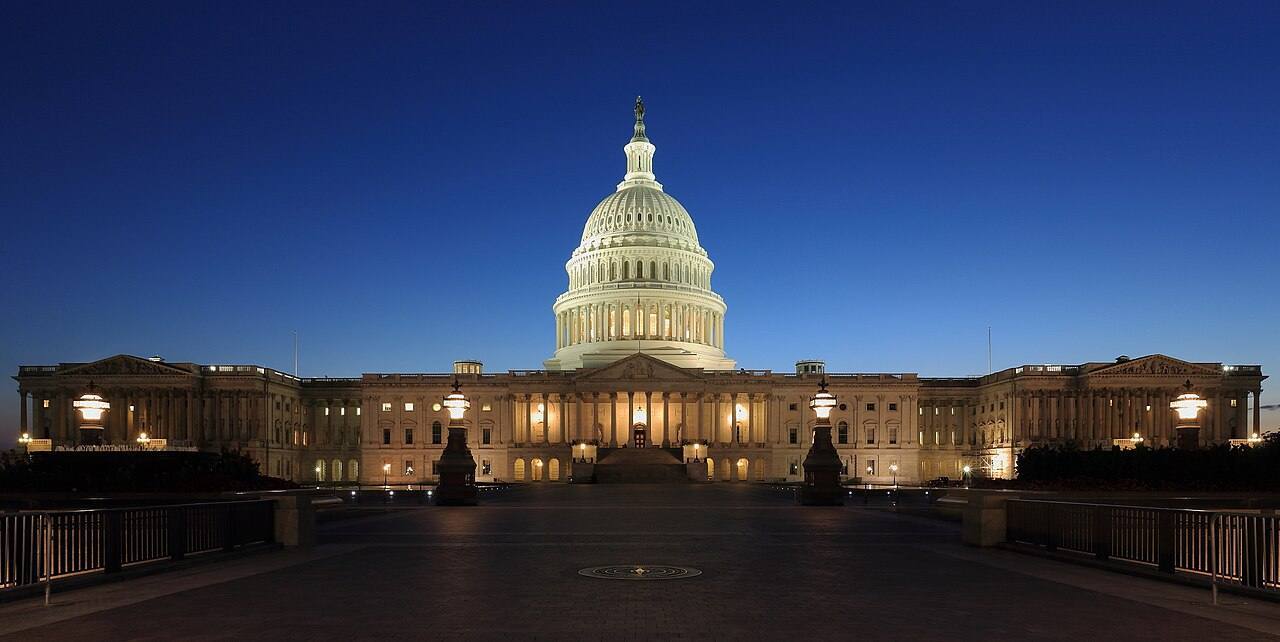
The Overlooked Mechanics of Immigration
In a political climate rife with rhetoric surrounding border security and immigration reform, there exists a procedural labyrinth that few politicians dare to confront. Both the left and the right have their own narratives, but neither fully addresses the intricacies of how border policy is actually implemented. While passionate speeches resonate with voters, the mechanics that govern immigration remain obscured from public view.
On one side, the left champions compassion and inclusivity, advocating for policies that prioritize humanitarian concerns. However, their proposals often skirt the complexities of enforcement and bureaucratic limitations. Meanwhile, the right emphasizes security and strict enforcement, yet tends to simplify the immigration process into a binary of "good" or "bad" immigrants, neglecting the systemic challenges faced by both individuals and agencies involved in enforcement and processing.
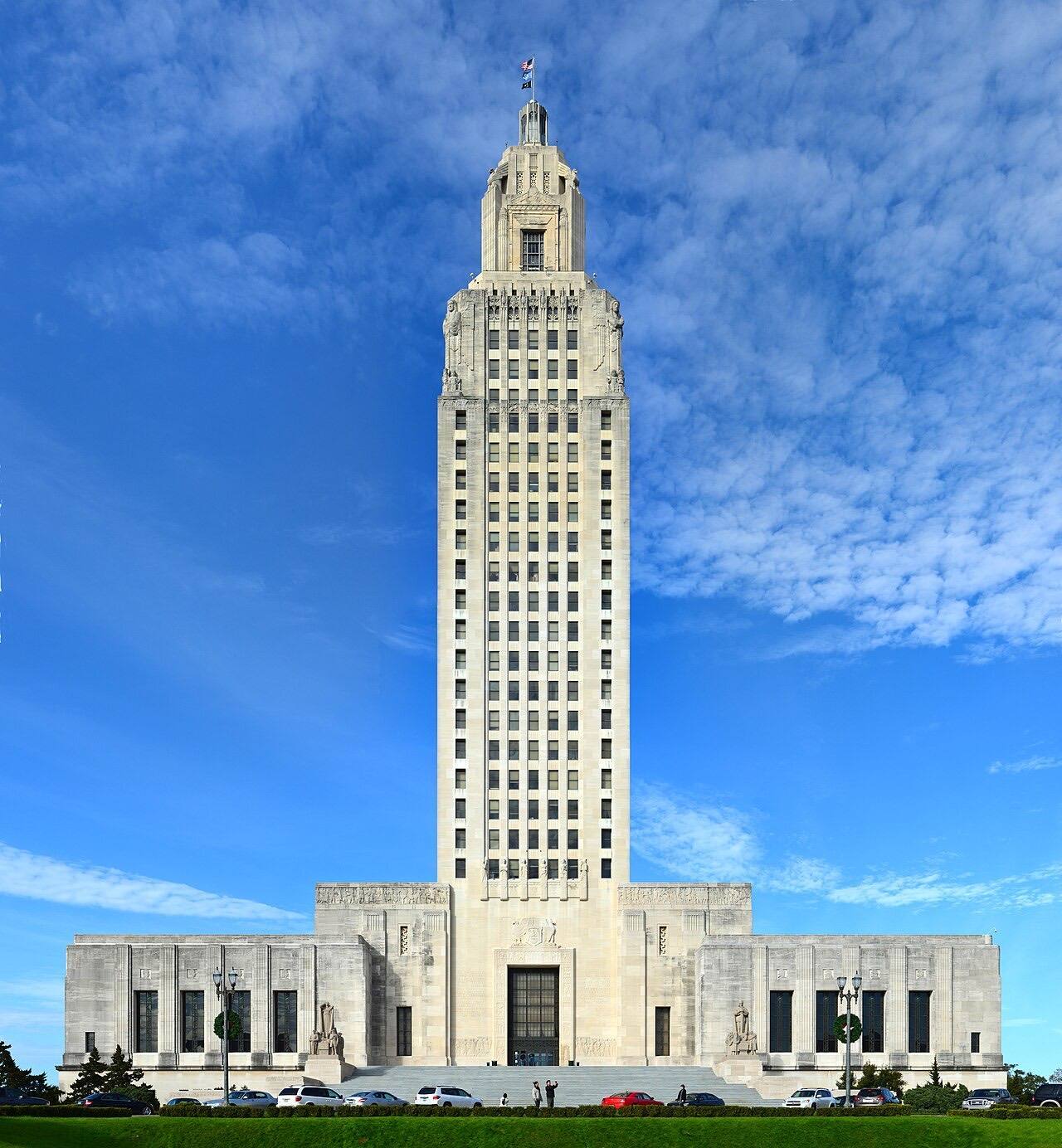
Layers of Bureaucracy
The reality of border policy is rooted deeply in a convoluted system of laws, regulations, and administrative procedures. For instance, the visa application process is a winding path filled with paperwork, waiting periods, and intricate legal requirements that can take months or even years to navigate. The average applicant, whether seeking asylum or a work visa, is often left to grapple with a system that is both underfunded and overburdened.
"Immigration isn't just a talking point; it's a complicated interplay of laws, human stories, and policy failures."
Moreover, agencies like U.S. Customs and Border Protection (CBP) and U.S. Citizenship and Immigration Services (USCIS) are often caught in the crossfire of political debates, receiving insufficient resources to adequately address the needs of a growing immigrant population. This has resulted in a backlog of cases and a system that often fails to serve those it is meant to protect.
As both sides point fingers at each other regarding the state of the border, it is essential to recognize that these agencies operate under a set of constraints that are largely dictated by legislative inaction and budgetary limitations. The lack of a cohesive immigration policy has left many families in limbo, adding to the human cost of political maneuvering.
Political Rhetoric vs. Reality
The left’s narrative often leans heavily on the humanitarian aspects of immigration, painting a picture of a nation that embraces diversity and opportunity. However, when it comes to enacting comprehensive reform, the complexities of the immigration system are frequently ignored. Proposals for pathways to citizenship or expanded visa programs require a meticulous understanding of the existing framework, which is often glossed over in favor of emotionally charged arguments.
On the flip side, the right’s focus on border security has cultivated a fear-based dialogue that emphasizes criminality and economic burden. While the need for secure borders is undeniable, the conversation has devolved into a simplistic view of immigration as a threat rather than an opportunity for growth. This has led to policies that can be harsh and punitive, failing to recognize the contributions that immigrants make to society.
A Call for Honest Dialogue
As we navigate this contentious political landscape, it is essential for both sides to engage in an honest dialogue about the mechanics of border policy. Acknowledging the procedural realities is not just an academic exercise; it is a necessary step toward crafting effective and humane immigration policies.
Rather than resorting to political soundbites, lawmakers must be willing to delve into the specifics of immigration processes and the experiences of those affected by them. This includes recognizing the role that economic factors, social integration, and legal frameworks play in shaping immigration experiences. Only through this understanding can we hope to bridge the divide that has formed between differing ideologies.
The challenge is not merely about addressing the symptoms of a broken immigration system; it is about confronting the root causes of its inefficiencies. Whether through increased funding for immigration agencies, streamlined processes, or comprehensive reform, it is imperative that both parties move past rhetoric to enact meaningful change.
Conclusion: Moving Forward
In the end, the mechanics of border policy cannot be ignored in the rush to score political points. As the nation grapples with these issues in the aftermath of the election, it is crucial to foster a more informed and nuanced conversation around immigration. Only then can we hope to find solutions that honor both our values and our laws.
✦ ✦ ✦