From the file. Written for the paper dated October 2016. Opened in the public stacks July 14, 2026.
In a political landscape rife with spectacle and rhetorical excess, the focus on process has become a refreshing, albeit mundane, necessity.

The Mechanics of Governance
In the current climate of American politics, the emphasis on spectacle often drowns out substantive discussion. Candidates are more inclined to deliver fiery speeches filled with catchphrases than to engage in meaningful dialogue about the processes that underpin our governance. This trend is troubling, as it shifts attention away from the boring but critical mechanisms that drive effective policy-making.
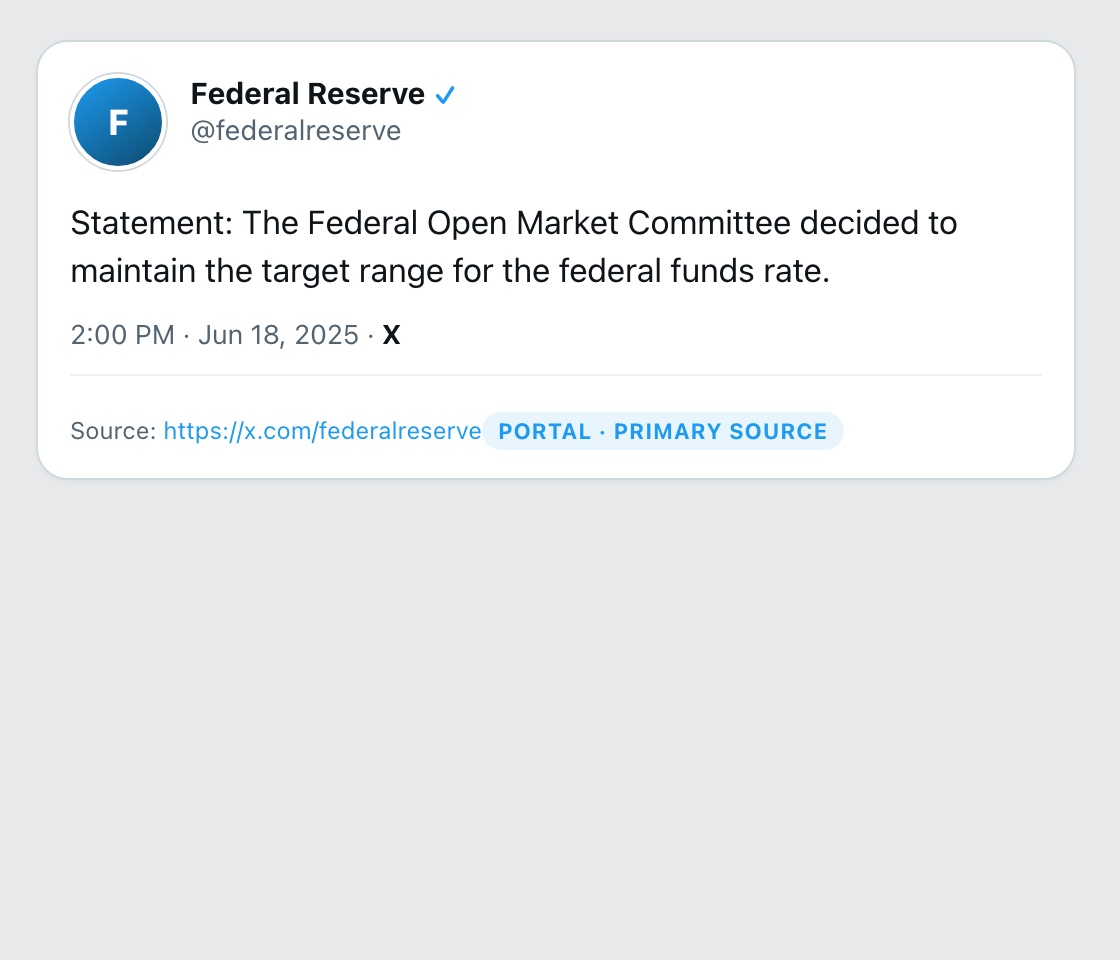
Both sides of the political spectrum are guilty of this oversight. On the left, progressives often advocate for sweeping reforms that promise transformative change without adequately addressing the complexities of legislative processes. While their intentions may be noble, the failure to consider the intricacies of governance can lead to unrealistic expectations and, ultimately, disillusionment. We see this when ambitious proposals like universal healthcare or sweeping climate change legislation are introduced, but little thought is given to the step-by-step approach needed to navigate Congress.

On the right, the tendency to prioritize loyalty over competency further complicates the situation. The current political climate has seen a rise in populist rhetoric that often dismisses the necessity of established processes in favor of appealing to the emotions of the electorate. This has manifested in a cavalier attitude towards the norms and procedures that underpin our democracy. The fixation on winning at all costs can erode the very foundations of governance, leading to a breakdown in bipartisan cooperation.
The Dangers of Oversimplification
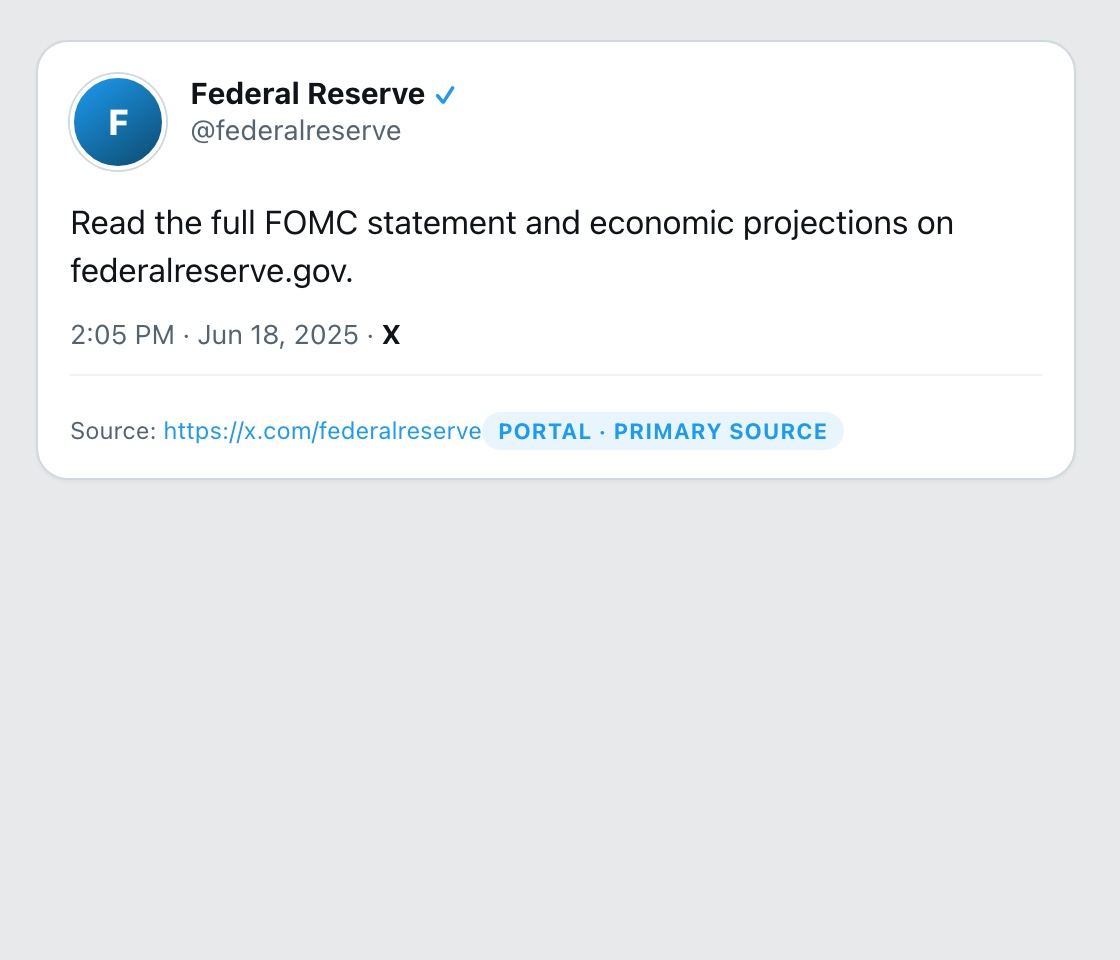
Oversimplification is a disease that plagues both sides. Politicians and commentators alike often reduce complex issues to sound bites, which can mislead the public about the realities of governance. The allure of a catchy slogan can overshadow the need for a thorough understanding of policy implications, resulting in a populace that is ill-informed about the intricacies of the laws that govern them.
"We need to engage in the boring work of process to ensure effective governance."
When the political discourse becomes dominated by hyperbole and sensationalism, the public is deprived of a clear understanding of the processes that underpin effective governance. The nuances of legislative negotiations, the importance of committee work, and the role of public input all take a backseat to the more entertaining aspects of the political show. This is detrimental not only to the political process but to the public’s trust in government.
Bridging the Divide
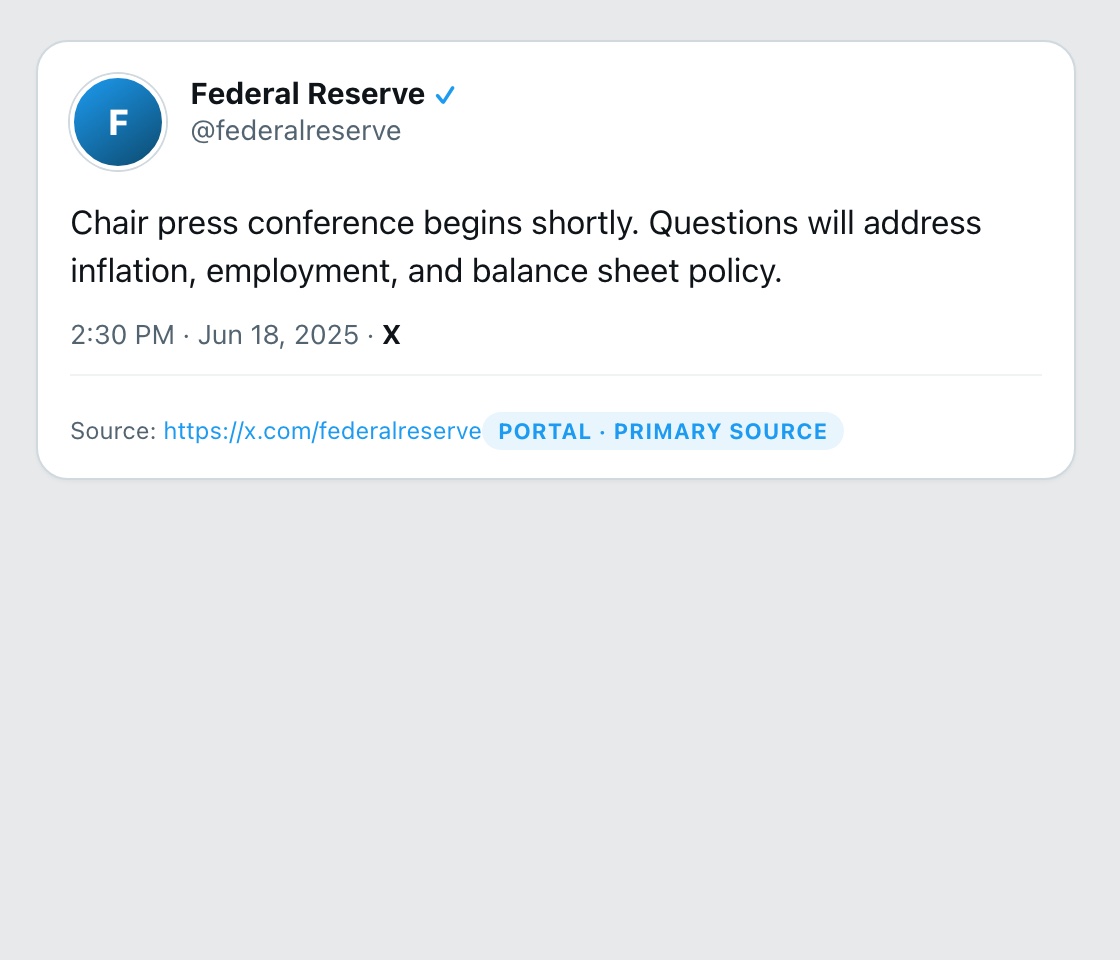
To bridge the growing divide between process and performance, it is crucial for leaders on both sides to prioritize transparency and education. Engaging citizens in the nuts and bolts of governance - explaining budgetary processes, legislative timelines, and the importance of committee hearings - can foster a more informed electorate. When citizens understand how decisions are made, they are better equipped to hold their representatives accountable.
Moreover, the media has a responsibility to shift its focus from the sensational to the substantive. By prioritizing stories that explain the intricacies of policy-making, journalists can help demystify the process for the public. A well-informed citizenry is essential for a functioning democracy, and it is the duty of both politicians and the press to foster that understanding.
A Call for Accountability
Ultimately, the excesses of both the left and the right serve as a reminder that performance without process is a recipe for failure. As we approach a pivotal election season, it is imperative that candidates are held accountable not only for their promises but also for their understanding of how to turn those promises into reality. Voters should demand a clear articulation of the processes by which candidates intend to implement their proposals, rather than simply rewarding the most charismatic speakers.
In conclusion, as we navigate this tumultuous political landscape, let us not lose sight of the value of process. The boring mechanics behind the noise are what sustain our democracy. It is time for a renewed commitment to understanding and engaging with the processes that govern us, ensuring that performance is grounded in reality and accountability.
✦ ✦ ✦