From the file. Written for the paper dated October 2016. Opened in the public stacks July 14, 2026.
In the cacophony of election season, where rhetoric often eclipses substance, the issue of presidential pardon power emerges as a quiet but vital conversation. While candidates trade barbs and partisan lines are drawn with fervor, the mechanics of this constitutional authority deserve closer examination.
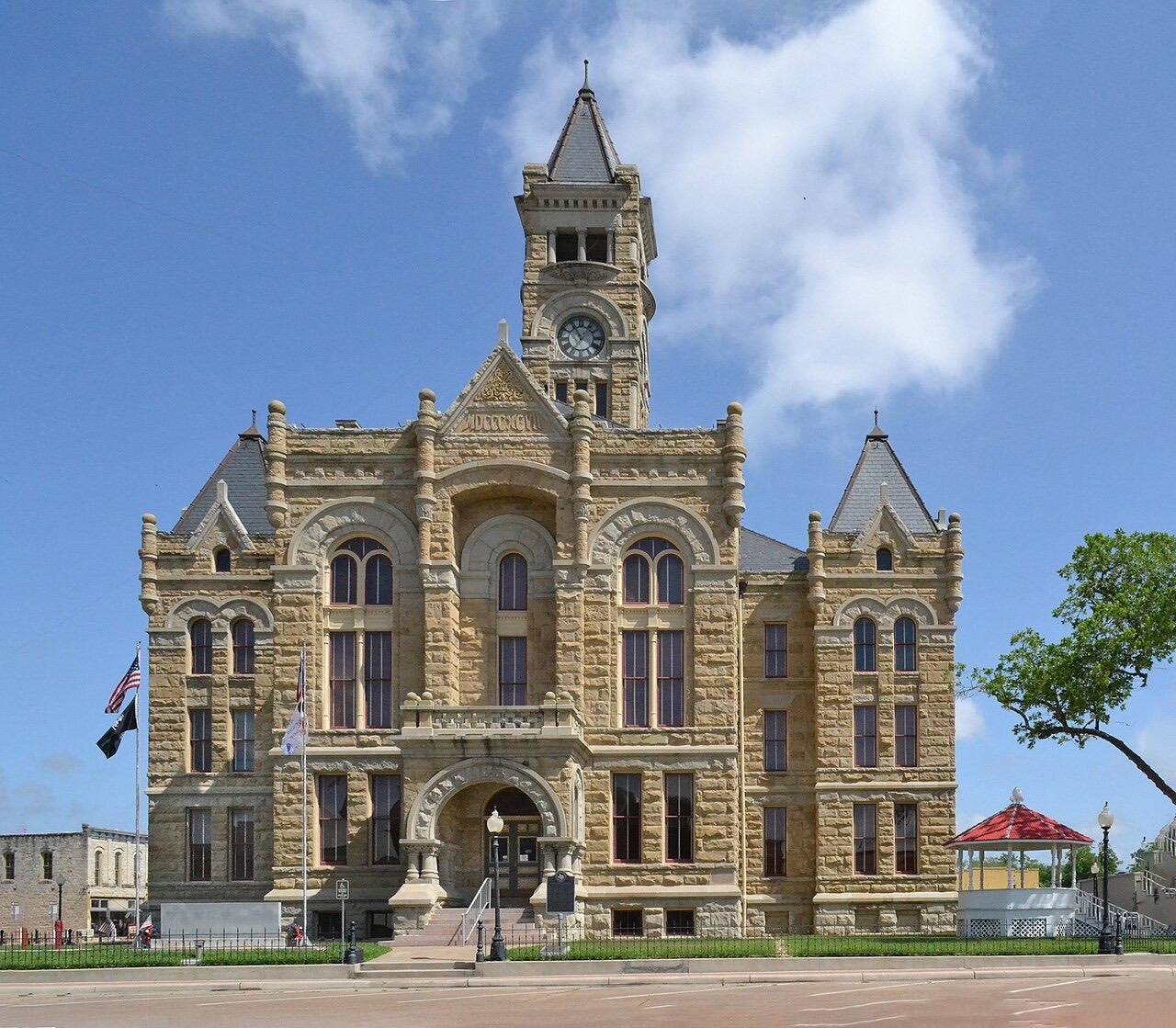
Pardon Power: A Constitutional Overview
The power to grant pardons is enshrined in Article II, Section 2 of the United States Constitution. It allows the President to "grant reprieves and pardons for offenses against the United States, except in Cases of Impeachment." This seemingly straightforward clause has led to a wide array of interpretations and applications over the years, often sparking debates that reflect deeper divisions in American society.
At its core, the pardon power is intended to serve as a check on the judicial system, providing an avenue for mercy in cases where the law may be too rigid or where circumstances warrant a second chance. Yet, in practice, the use of this power is often fraught with controversy and political implications. The current election cycle has only heightened this scrutiny, as candidates navigate the treacherous waters of public opinion and legal precedent.
"The mechanics of presidential pardon power are often overshadowed by the dramatic narratives of individual cases."
The Left and Right: A Study in Contrasts
Both ends of the political spectrum exhibit a tendency to exploit the concept of pardons for their own agendas. On the left, there is often a push for criminal justice reform, advocating for the pardoning of individuals who have served long sentences for non-violent drug offenses. While this movement has merit, it can also be seen as overly simplistic, ignoring the complexities of crime and punishment and the potential risks involved in blanket pardons.
Conversely, the right frequently champions the use of pardons as a means to uphold law and order, often arguing that leniency undermines the justice system. This perspective can lead to an excessive focus on punitive measures and a reluctance to consider rehabilitation for offenders. In their quest for a tough-on-crime stance, some may overlook the very human stories behind each case.
Case Studies: A Mixed Bag of Outcomes
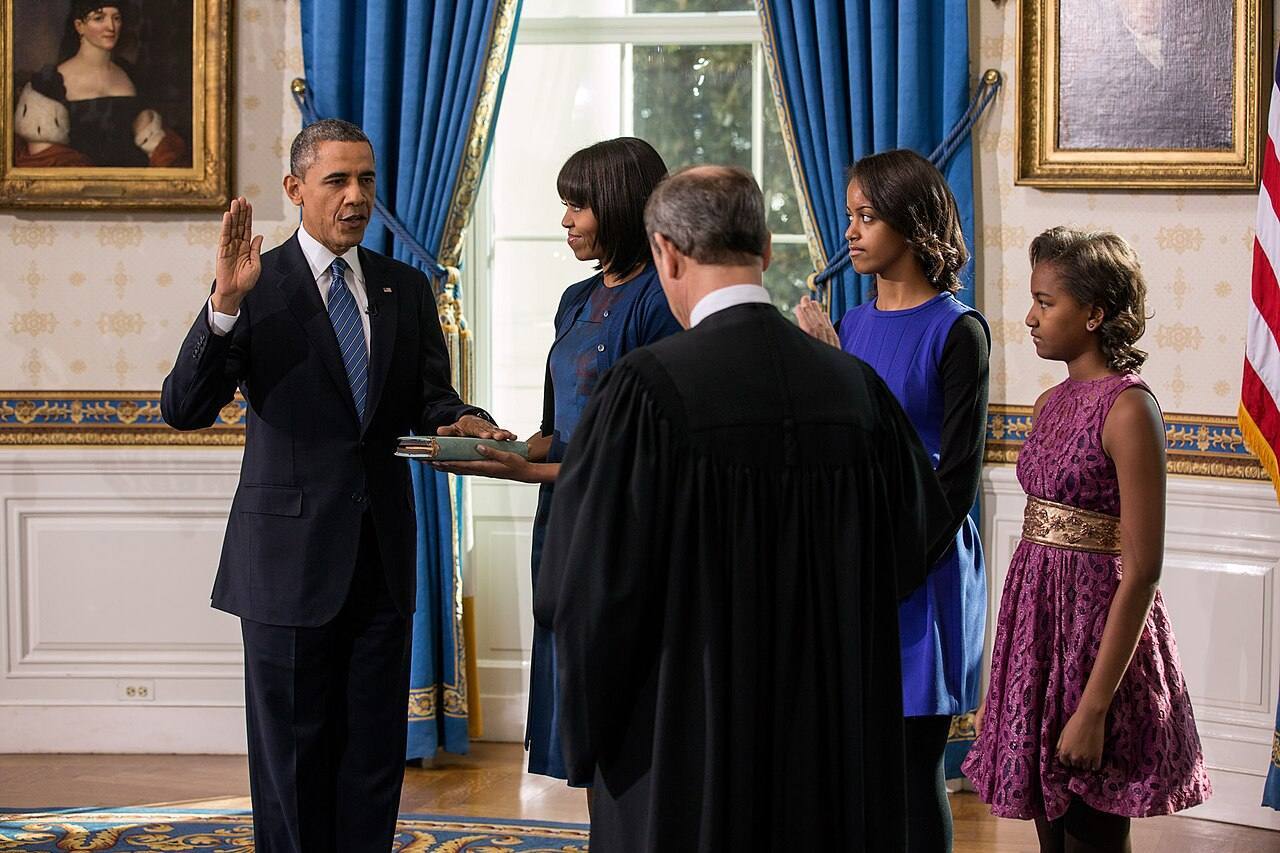
As we examine recent high-profile pardons, the stark contrasts in motivations become evident. For instance, President Obama has been lauded for his efforts to address systemic issues in the criminal justice system, including granting clemency to individuals disproportionately affected by harsh sentencing laws. However, these actions have also drawn criticism from those who argue that they compromise public safety.
On the other hand, when Presidents utilize their pardon powers to protect political allies or to deflect controversy, the integrity of the office can be called into question. The use of pardons as a political tool can lead to a perception of favoritism and erode public trust in the judicial system. This is a risk that both sides of the aisle must grapple with, as the implications extend far beyond individual cases.
The Media's Role in Shaping Perceptions
In an age where sensational headlines often dominate the news, the media plays a crucial role in shaping public perceptions of presidential pardons. The narratives constructed around these cases can amplify partisan divides, often at the expense of a deeper understanding of the underlying issues. A balanced approach is necessary to foster informed discussions that transcend political loyalties.
Moreover, the media's tendency to focus on the drama surrounding pardons can overshadow the important conversations about criminal justice reform and the need for a more equitable legal system. As journalists, we must strive to elevate these discussions, illuminating the complexities that lie beneath the surface of high-profile pardons.
Looking Ahead: The Future of Pardon Power
As the nation moves closer to the election, the topic of pardon power is likely to resurface as candidates seek to differentiate themselves from one another. The challenge will be to engage in a substantive dialogue that examines the implications of this power rather than resorting to soundbites and partisan rhetoric.
Ultimately, the conversation surrounding presidential pardons should not be reduced to a mere election issue. It requires a deeper understanding of justice, mercy, and the societal implications of our legal system. Both sides of the political spectrum have a responsibility to approach this topic with the seriousness it warrants, recognizing that the lives affected by these decisions extend far beyond the political arena.
✦ ✦ ✦