From the file. Written for the paper dated September 2016. Opened in the public stacks July 14, 2026.
As the presidential election heats up, the trade deficit has emerged as a hot-button issue, with both sides of the political spectrum wielding it as a weapon against their opponents. However, a closer look reveals that the reality of trade deficits is far more complex than the soundbites suggest.
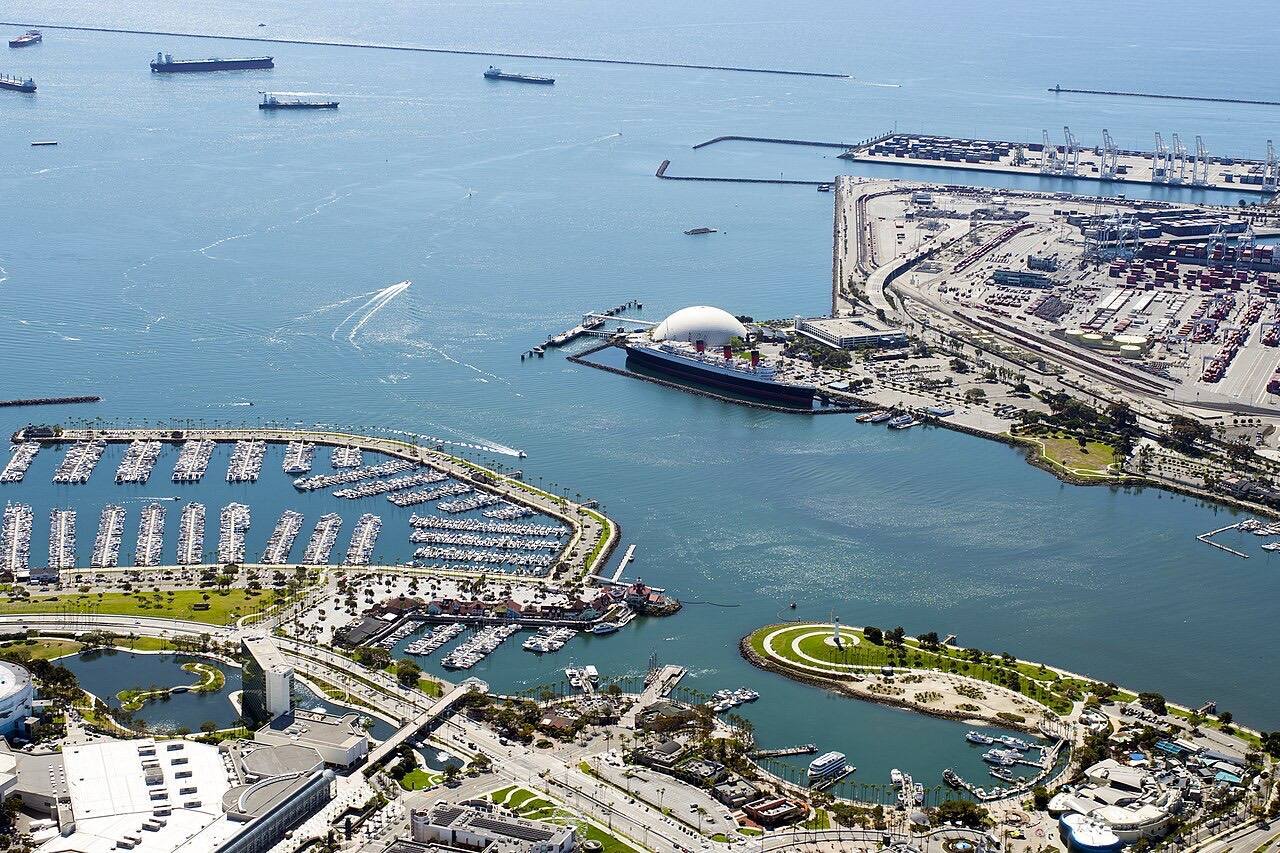
The Trade Deficit Explained
The trade deficit occurs when a country imports more goods and services than it exports. For many, this is a sign of economic weakness, a notion that has been particularly popular among Trump supporters who argue that America is losing its competitive edge. On the other hand, some Democrats argue that a trade deficit can be a natural byproduct of a thriving economy, where consumer demand drives imports.
"Both sides are oversimplifying a complex issue for their own political gain."
At its core, the trade deficit is not merely a number but a reflection of broader economic dynamics. It can indicate the health of the consumer economy, as higher imports often correspond with greater consumer spending. However, the implications of a persistent trade deficit raise valid concerns about long-term sustainability and economic independence.

The Left's Perspective
Many on the left argue that trade deficits are not inherently negative and can even be beneficial. They point to the idea that a trade deficit reflects a strong economy where consumers have the disposable income to purchase foreign goods. This perspective promotes a narrative of globalization as a force for good, fostering international cooperation and economic growth.
However, this viewpoint can sometimes gloss over the struggles faced by American workers in industries that have been decimated by imports. The left's narrative often fails to address that while consumers may enjoy lower prices, it comes at the cost of jobs and stability in certain sectors. The downsides of globalization are often sidelined in favor of a feel-good approach that overlooks the economic realities faced by many Americans.
The Right's Take
Conversely, the right has seized upon the trade deficit as a rallying cry against globalization and free trade agreements. They argue that the U.S. is being taken advantage of by foreign countries and that protectionist measures are necessary to restore American manufacturing jobs. This narrative resonates with voters who feel that their livelihoods have been sacrificed on the altar of free trade.
While it is important to advocate for American workers, the right's approach can often veer into dangerous territory. Protectionism can lead to trade wars that ultimately hurt consumers through higher prices and reduced choices. By framing the trade deficit solely as a failure of policy, the right risks stifling the innovation and competition that drive economic growth.
A Middle Ground?
Both sides of the aisle would benefit from a more nuanced understanding of trade deficits. Acknowledging that trade deficits can reflect both positive consumer demand and negative impacts on certain industries is crucial for fostering a constructive dialogue about trade policy.
Rather than resorting to fear-mongering or idealization, we must engage in a pragmatic discussion about how to balance the benefits of globalization with the need to protect American jobs. Policies that focus on retraining workers and investing in new industries can help mitigate the adverse effects of trade deficits while still embracing the opportunities of a global economy.
Policy Recommendations
To move forward, policymakers should focus on a few key areas:
The trade deficit is not merely a political tool; it is a complex issue that reflects the intricate balance of consumer demand, job creation, and economic policy. As we approach the election, it is vital for voters to critically assess the claims made by both sides and demand a more comprehensive approach to trade that goes beyond simplistic narratives.
✦ ✦ ✦