From the file. Written for the paper dated September 2016. Opened in the public stacks July 14, 2026.
As the debate over energy policy intensifies in the United States, the need for rigorous inspection of nuclear facilities has emerged as a key point of contention. With safety at stake, a closer examination of current practices reveals deep divides in political rhetoric and regulatory effectiveness.
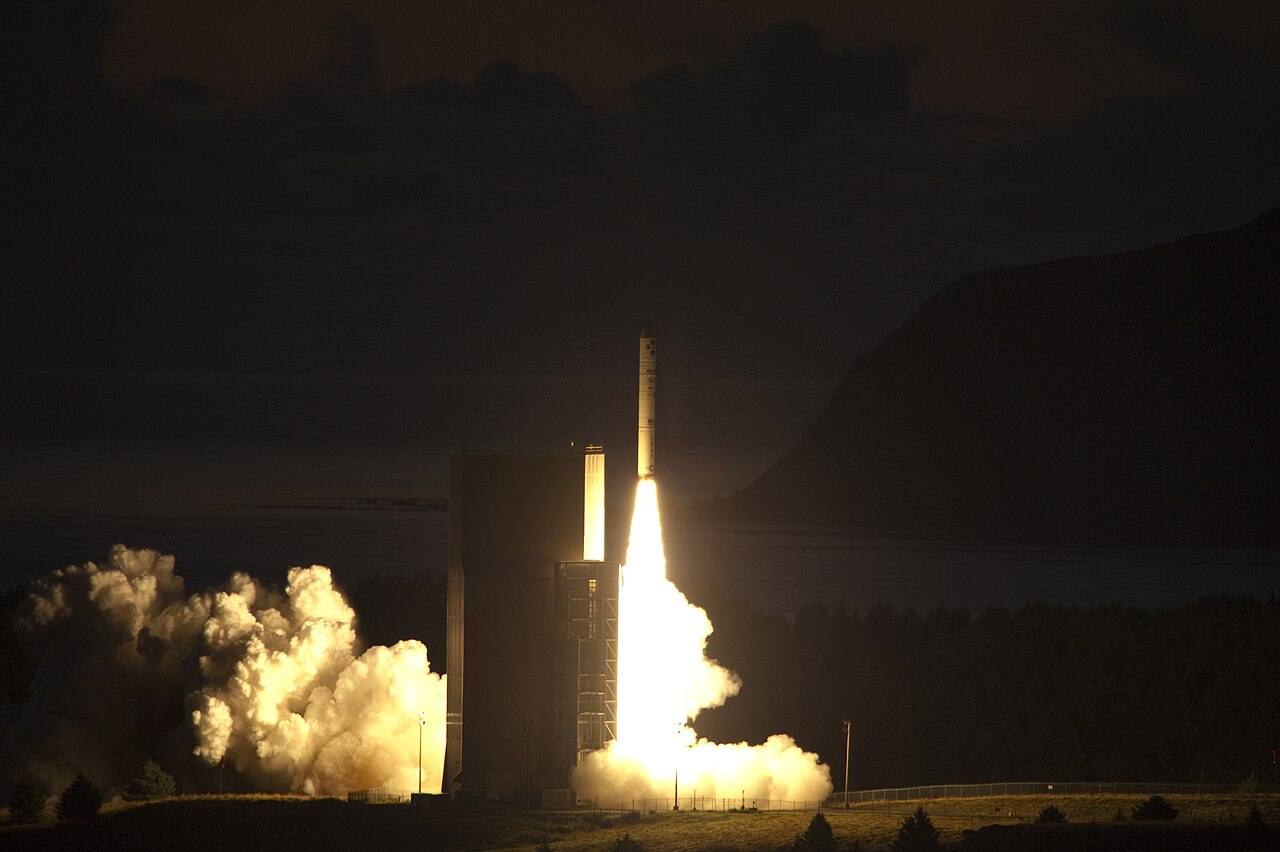
Examining the Landscape of Nuclear Safety
The nuclear energy sector is often seen through a polarized lens. On one side, proponents argue that nuclear power is a vital component of a clean energy future, essential for reducing carbon emissions and combating climate change. On the other, critics raise concerns about the potential risks associated with nuclear technology, particularly in the wake of past accidents. As both sides stake their claims, the integrity of inspections becomes paramount.
Inspections, which are designed to ensure compliance with safety regulations, have become a focal point of this debate. The NRC is tasked with overseeing these inspections, yet the agency has faced criticism from both ends of the political spectrum. Some argue that the NRC is too lenient, while others claim it is overly strict, stifling innovation in the energy sector.

Analyzing the Inspection Process
The inspection process itself is comprehensive, involving regular assessments of plant operations, equipment reliability, and emergency preparedness. Yet, questions remain about the effectiveness of these inspections and whether they truly reflect the safety of nuclear facilities. The NRC's reliance on self-reporting by plant operators has raised eyebrows, with critics noting that this system can lead to underreporting of issues.
"A culture of safety is paramount, but one must wonder if the current inspection framework encourages transparency or promotes complacency."
Moreover, the political discourse surrounding these inspections often obscures the nuanced realities of the nuclear industry. Advocates for nuclear energy, typically from the right, tend to downplay concerns about safety regulations, framing them as unnecessary burdens that could hinder progress. Conversely, left-leaning critics often use past disasters as a rallying cry, advocating for stricter regulations without fully considering the implications for energy policy and the broader economy.
Striking a Balance
The challenge lies in finding a balance between ensuring safety and fostering innovation. An overly cautious regulatory environment can stifle the advancements necessary for modernizing nuclear technology, while a laissez-faire approach can expose the public to undue risks. It is essential for policymakers to engage in informed discussions that prioritize safety without dismissing the potential benefits of nuclear energy.
As the nation grapples with the implications of energy production, it is crucial to engage with the realities of nuclear safety inspections. Both sides of the political spectrum must recognize that evidence should guide decisions rather than identity. The consequences of failing to prioritize safety in nuclear facilities are too severe to ignore, and the ongoing dialogue must reflect a commitment to the facts.
The Road Ahead
Moving forward, it is imperative to reassess the inspection framework to ensure that it is both rigorous and transparent. This may involve re-evaluating the balance of self-reporting and external audits, as well as fostering a culture where safety concerns can be raised without fear of reprisal. The future of nuclear energy in the U.S. depends on our ability to navigate these complex regulatory waters.
Ultimately, the conversation surrounding nuclear plant inspections must transcend partisan divides. A unified approach, grounded in evidence and marked by a commitment to safety, will be essential for shaping a sustainable energy future. As we stand at this crossroads, the stakes could not be higher for both our environment and our public safety.
✦ ✦ ✦