From the file. Written for the paper dated September 2016. Opened in the public stacks July 14, 2026.
As commodity prices continue to surge, the economic landscape is shifting beneath our feet. It is essential to parse the reasons behind this spike, beyond the typical partisan narratives that often dominate discussions.
The Factors Behind the Spike
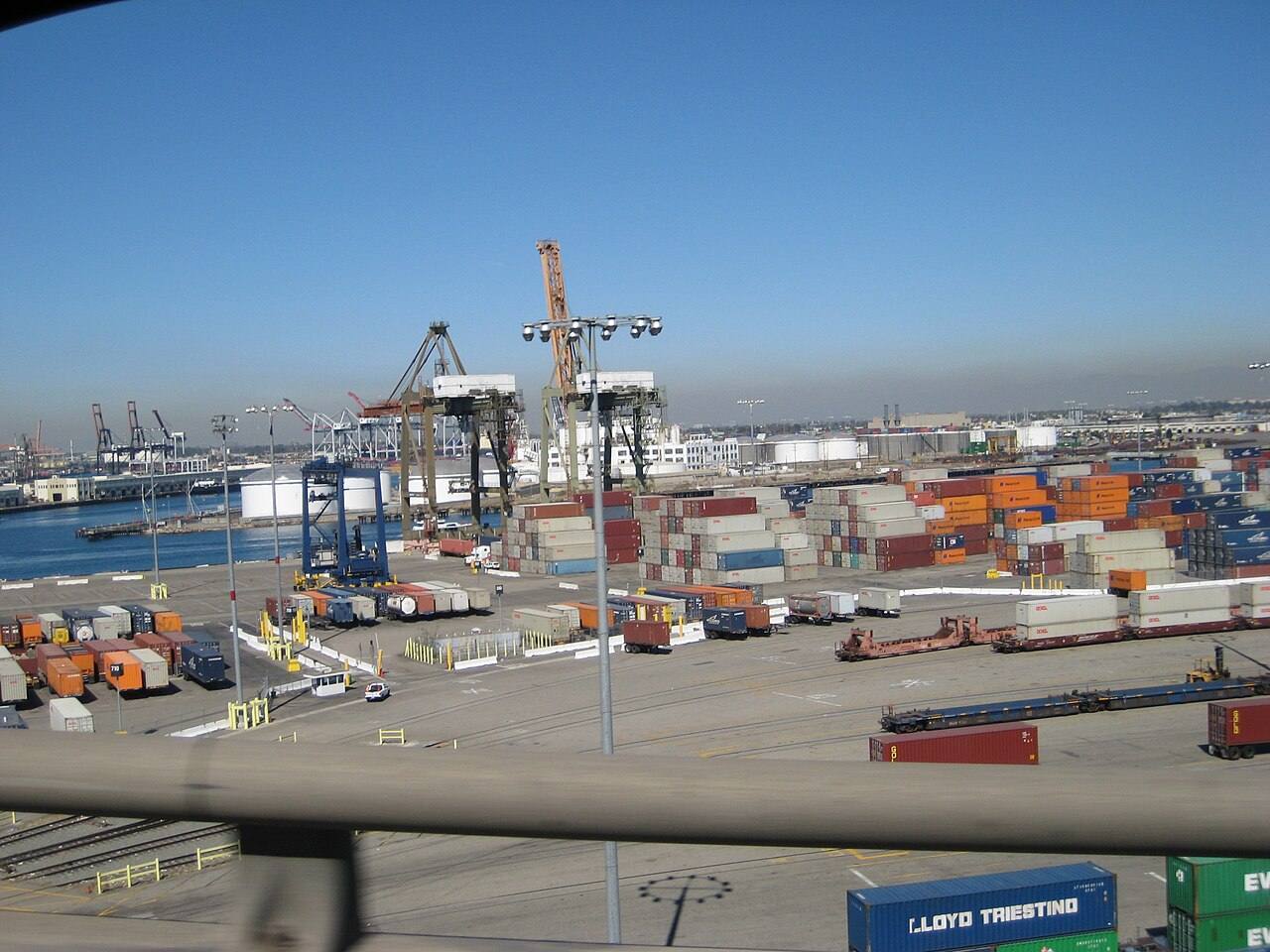
The recent surge in commodity prices can be attributed to a confluence of factors. On one hand, a weakening dollar has made commodities more expensive for foreign buyers, driving up demand. On the other, geopolitical tensions and disruptions in production in key regions have further exacerbated the situation. However, these economic realities are often overshadowed by the polarized rhetoric from both sides of the political spectrum.
For instance, the left often frames the conversation about commodity prices in terms of corporate greed and exploitation. They argue that price spikes are largely a result of price gouging by oil companies and agricultural conglomerates. While there is some merit to the concern over corporate influence, this view oversimplifies the issue. It fails to account for the complex interplay of global supply and demand, regulatory policies, and environmental factors that also play crucial roles.
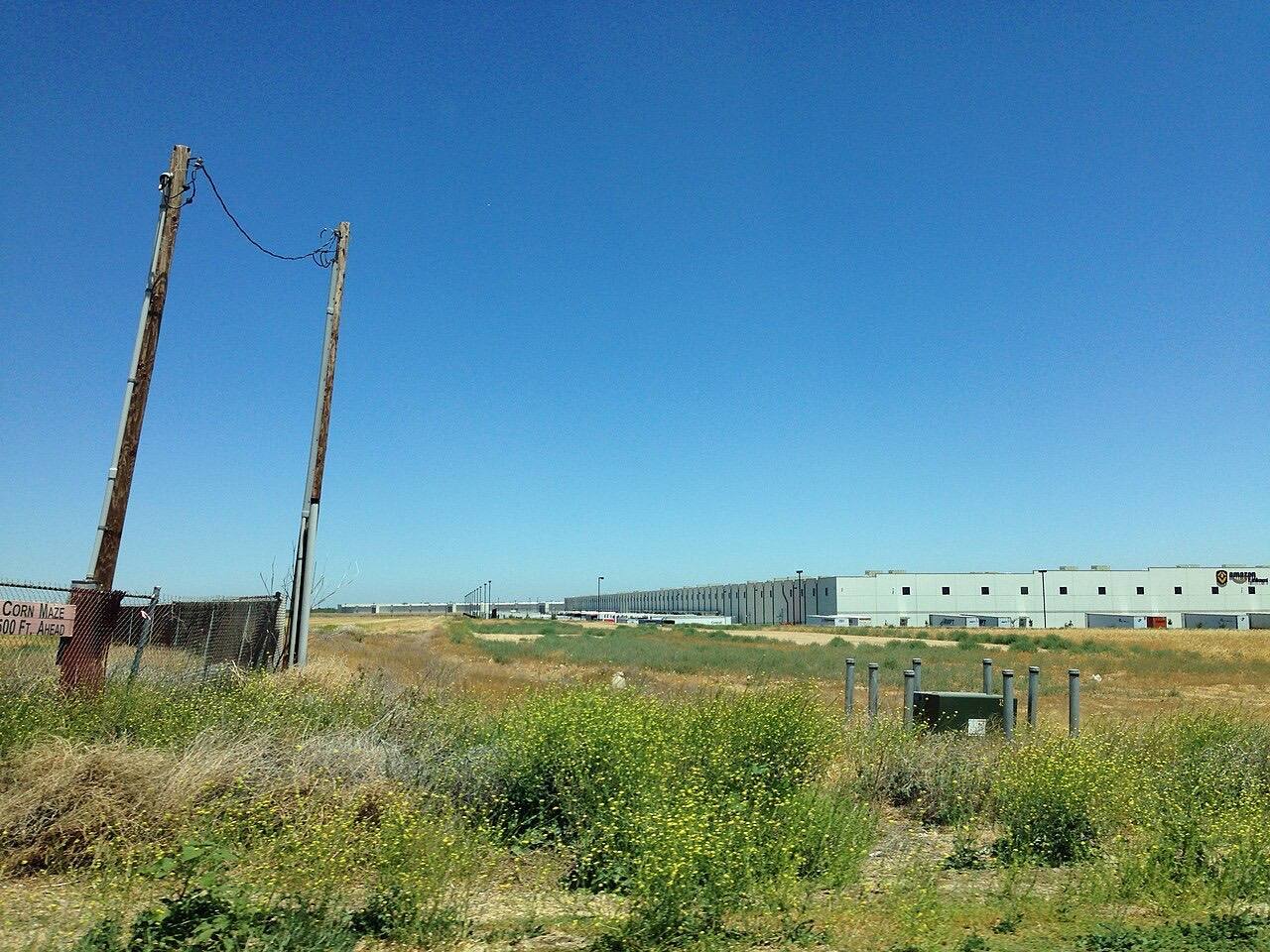
Conversely, the right tends to attribute rising commodity prices to government intervention and overregulation. They argue that policies aimed at environmental protection stifle production and lead to scarcity. This perspective, while highlighting the potential downsides of bureaucracy, often overlooks the importance of sustainable practices and the long-term impacts of resource depletion. Such a viewpoint can risk encouraging short-sighted economic strategies that prioritize immediate gains over future viability.
The Need for a Balanced Perspective
To truly understand the current commodity spike, we must move beyond these ideologically-driven narratives. The reality is that both sides have valid points, yet both also engage in oversimplification that hampers constructive dialogue. The left needs to recognize that not all price increases stem from corporate malfeasance, while the right must acknowledge that some regulations are necessary to ensure equitable access to resources and environmental protection.
"Navigating the complexities of commodity pricing requires us to look beyond partisan lenses."
Furthermore, consumer behavior plays a significant role in this dynamic as well. As prices rise, consumers often react by purchasing less or seeking alternatives. This change in demand can lead to a cyclical effect that further impacts commodity prices, creating a feedback loop that complicates the situation. Both political factions must consider how consumer habits influence market trends, rather than simply attributing blame to producers.
Global Implications
The implications of rising commodity prices extend far beyond our borders. Emerging markets that rely heavily on imports are particularly vulnerable to price fluctuations. Countries that are already struggling with economic challenges may find themselves facing even greater hardship as basic goods become less affordable. This global perspective is crucial in understanding how interconnected our economies truly are.
Moreover, if we remain entrenched in our partisan viewpoints, we risk missing opportunities for collaboration. Addressing commodity price issues requires a united effort, including policymakers, economists, and industry leaders from both sides. By working together, we can develop strategies that not only stabilize prices but also promote sustainable practices that benefit all stakeholders.
The Role of Innovation
Innovation must also play a central role in addressing the challenges posed by rising commodity prices. Advances in technology can enhance production efficiency and reduce waste, ultimately leading to a more stable supply. Both sides of the aisle should champion research and development in this area, rather than allowing political divisions to stifle progress.
In addition, investment in renewable resources could mitigate the volatility associated with traditional commodities. Transitioning to more sustainable energy sources could lessen our dependency on oil and gas, which are often at the mercy of geopolitical tensions and market fluctuations. This is a prime opportunity for bipartisan cooperation, as both sides can agree on the need for a resilient and forward-thinking energy strategy.
Conclusion
As we navigate the complexities of the current commodity spike, it is vital to approach the issue with a clear, evidence-based perspective. The narratives that dominate our political discourse often obscure the facts, leading to an incomplete understanding of the challenges we face. By recognizing the validity of opposing viewpoints and focusing on collaborative solutions, we can better address the economic realities of our time.
✦ ✦ ✦