From the file. Written for the paper dated August 2016. Opened in the public stacks July 14, 2026.
In a world increasingly reliant on expert opinion, a troubling trend has emerged: the tendency for experts to overstate their claims, leading to public confusion and misplaced trust.

The Perils of Overclaiming
In recent weeks, we've witnessed a flurry of statements from various experts across fields, each more emphatic than the last. Whether in the realms of climate science, economics, or public health, the refrain is the same: "The science is settled," or "There is a consensus." Yet, when we scrutinize the evidence and the underlying data, the reality often tells a different story.
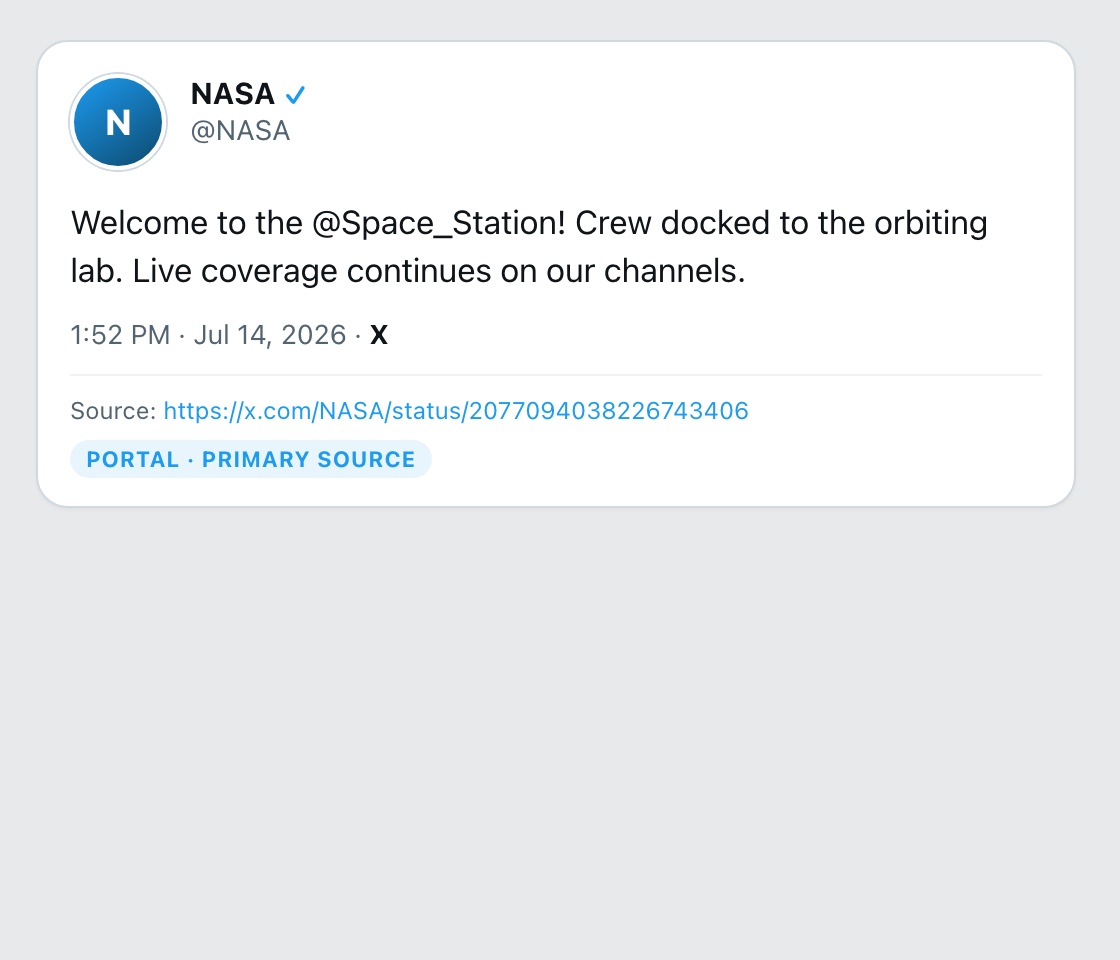
This phenomenon isn't limited to one side of the political spectrum; both left and right have their share of self-proclaimed authorities making sweeping generalizations that do not hold up under scrutiny. On the left, the climate debate has become a litmus test for environmental commitment, with many experts asserting that we are on the brink of irreversible damage. While the urgency of climate change cannot be dismissed, the apocalyptic rhetoric can overshadow the nuanced discussions necessary for effective policy-making.

On the right, economic experts often claim that deregulation and tax cuts will lead to unequivocal prosperity. However, the historical record of such policies reveals a more complex relationship between government intervention and economic growth. Instead of fostering a productive dialogue, these overreaching claims lead to polarization and distrust among the public, who feel caught in the crossfire of competing narratives.

"The more certain an expert sounds, the more we should question their claims."
Public Trust Erodes
As experts continue to make bold proclamations, public trust in these figures erodes. When predictions fail to materialize or when the evidence shifts, the public is left feeling misled. This is particularly problematic in a time when we need to unite against pressing global issues. The divide widens as citizens become skeptical of expert advice, leading to a dangerous cycle of misinformation and mistrust.
Take the ongoing debate about vaccination. Many public health officials have asserted that vaccines are entirely safe, while others highlight potential risks associated with certain vaccines. This discrepancy has fueled the anti-vaccine movement, which thrives on the belief that experts are not being transparent. The resulting public skepticism undermines years of scientific progress and threatens public health.
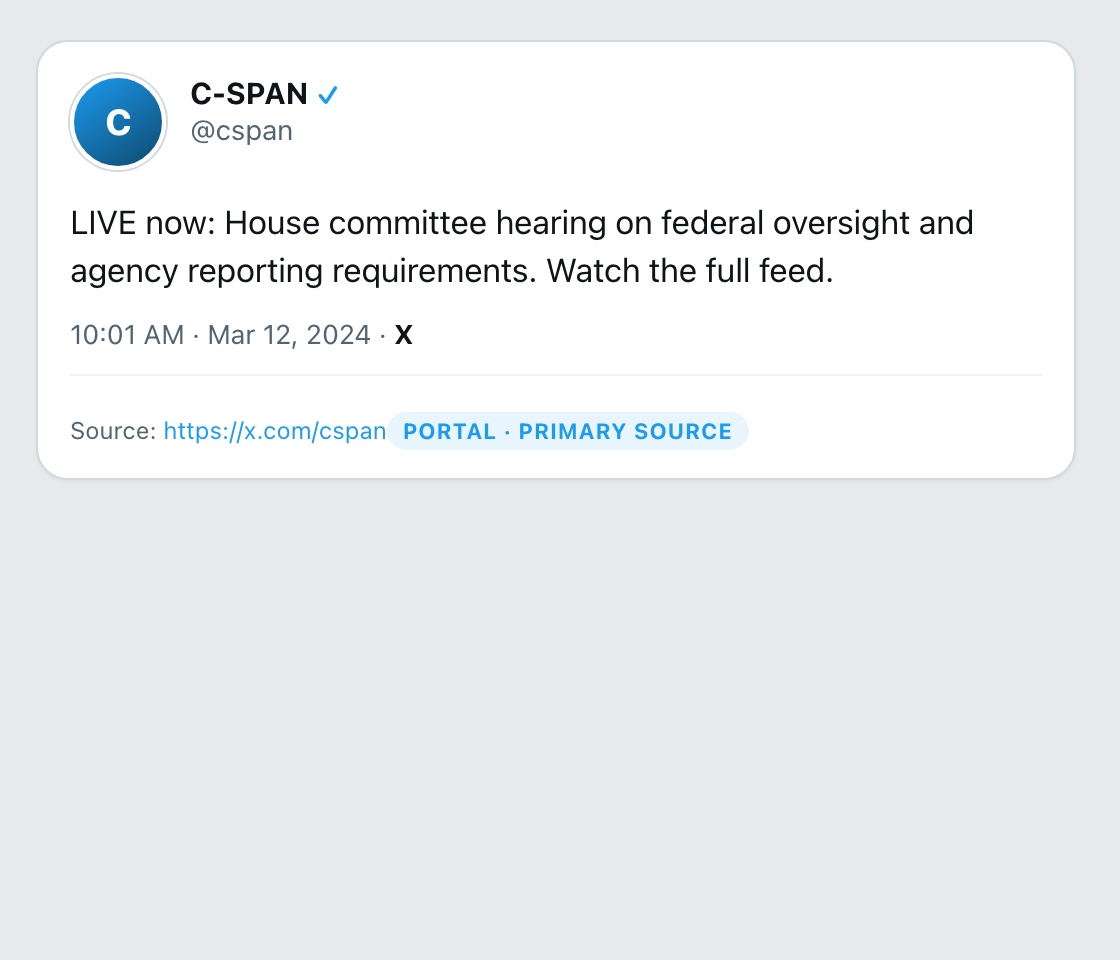
Finding Balance
In an age where information is abundant and easily accessible, the challenge lies in distinguishing between sound science and overstated claims. Experts should strive for a balanced presentation of their findings, acknowledging uncertainties and the complexity inherent in their fields. The public deserves nuanced discussions that reflect the reality of scientific inquiry, rather than black-and-white assertions that serve more to incite than to inform.
Conclusion: A Call for Responsibility
Experts must remember their role as educators and guides. The power of their words carries weight, and with that weight comes responsibility. Rather than succumbing to the temptation of overclaiming, they should promote a culture of careful engagement with their audiences. This means admitting when the science is still evolving or when the data is not as clear-cut as it seems.
In a polarized political landscape, we must resist the urge to demonize opposing viewpoints. Instead, let us advocate for open dialogue where expert opinions can be challenged and refined. By doing so, we can rebuild the bridge between experts and the public, fostering an environment where informed decisions can be made based on facts rather than fearmongering.
✦ ✦ ✦