From the file. Written for the paper dated August 2016. Opened in the public stacks July 14, 2026.
In an age where immediacy reigns, the United States Postal Service (USPS) finds itself at the crossroads of public opinion and operational reality. As debates rage over its future, the claims made by various factions merit scrutiny, particularly when contrasting them with the available record.
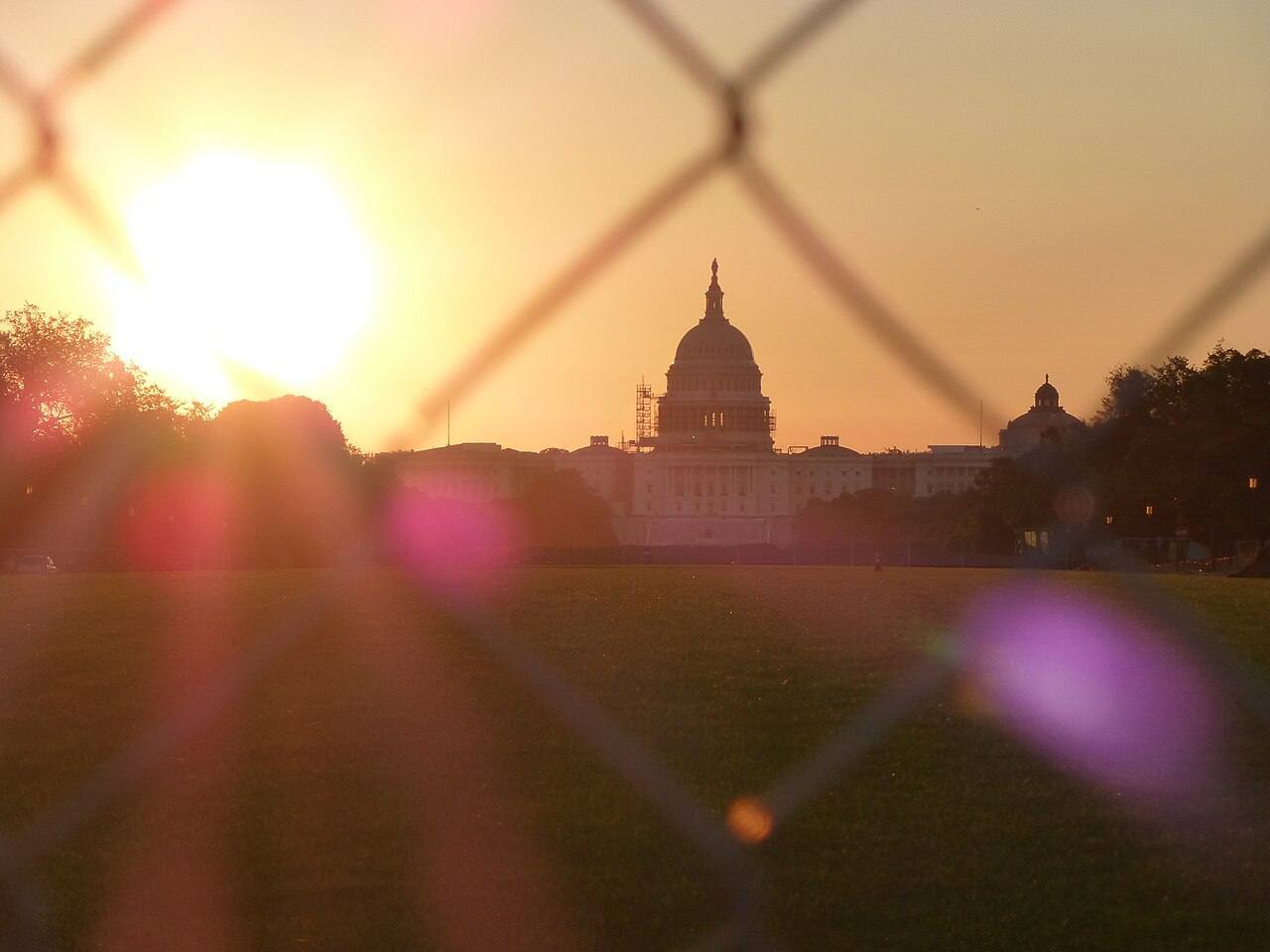
The Current Crisis
The postal service crisis has become a heated topic in the summer of 2016, with both sides of the political aisle offering narratives that often diverge sharply from the facts. Critics of the USPS point to its mounting financial losses, asserting that the service is a relic of a bygone era, incapable of adapting to modern needs. On the other hand, advocates for the USPS argue that these losses are not merely a product of mismanagement but also the consequence of burdensome regulations and the ongoing digitization of communication.
“The Post Office is losing money because it is being forced to fund its pensions decades in advance - a requirement no other government agency faces.”
At the heart of this debate lies the Postal Accountability and Enhancement Act of 2006, which mandated that the USPS pre-fund retiree health benefits. This requirement has led to significant financial strain, mounting to billions of dollars in losses. As a result, many on the left argue that the USPS is being set up to fail, while the right tends to emphasize the service's inefficiencies without acknowledging the weight of the pre-funding mandate.

Public Perception vs. Operational Reality
Public perception of the USPS is deeply influenced by the rapid pace of technological change. Many citizens now opt for electronic means of communication, leading to a decline in first-class mail volume. This shift has been used by critics to justify significant cuts and service reductions. Yet, it’s essential to recognize that the USPS is still a vital service, handling billions of pieces of mail annually, providing crucial delivery for packages, and maintaining a commitment to service that many private companies do not.
Recent surveys show that a significant portion of the American public still holds a favorable view of the USPS, emphasizing its role as a dependable service provider. Yet, this sentiment may not translate into political support. Politicians see an opportunity to exploit the situation, using the crisis as a platform for broader ideological battles. Those on the right often champion privatization as a solution, while those on the left call for increased funding and support.
The Political Landscape
The political discourse surrounding the USPS has become increasingly polarized. In the current election cycle, candidates are using the postal service as a tool to rally their bases, leading to exaggerated claims and oversimplified solutions. The right often frames the USPS as an inefficient monolith, while the left paints it as an underfunded service in desperate need of rescue. Both narratives miss the complexity of the situation.
“We cannot let political grandstanding dictate the future of a service that millions of Americans rely on every day.”
Instead of fostering a productive dialogue, both sides seem more inclined to score points against each other. While it's true that the USPS faces enormous challenges, the question of its viability cannot be answered through ideological sound bites. Policymakers must confront the reality of the service's funding structure, operational needs, and the shifting landscape of communication.
Looking Ahead
As we move deeper into the election season, the fate of the USPS remains unclear. With various factions attempting to sway public opinion, it is crucial that Americans engage with the facts rather than the narratives. The USPS is not merely a political pawn; it is an institution that affects the daily lives of millions.
✦ ✦ ✦