From the file. Written for the paper dated August 2016. Opened in the public stacks July 14, 2026.
In the realm of particle physics, claims of groundbreaking discoveries often generate immense excitement. However, the recent public statements surrounding a series of experiments conducted at CERN have sparked a heated debate about the accuracy and integrity of these claims.
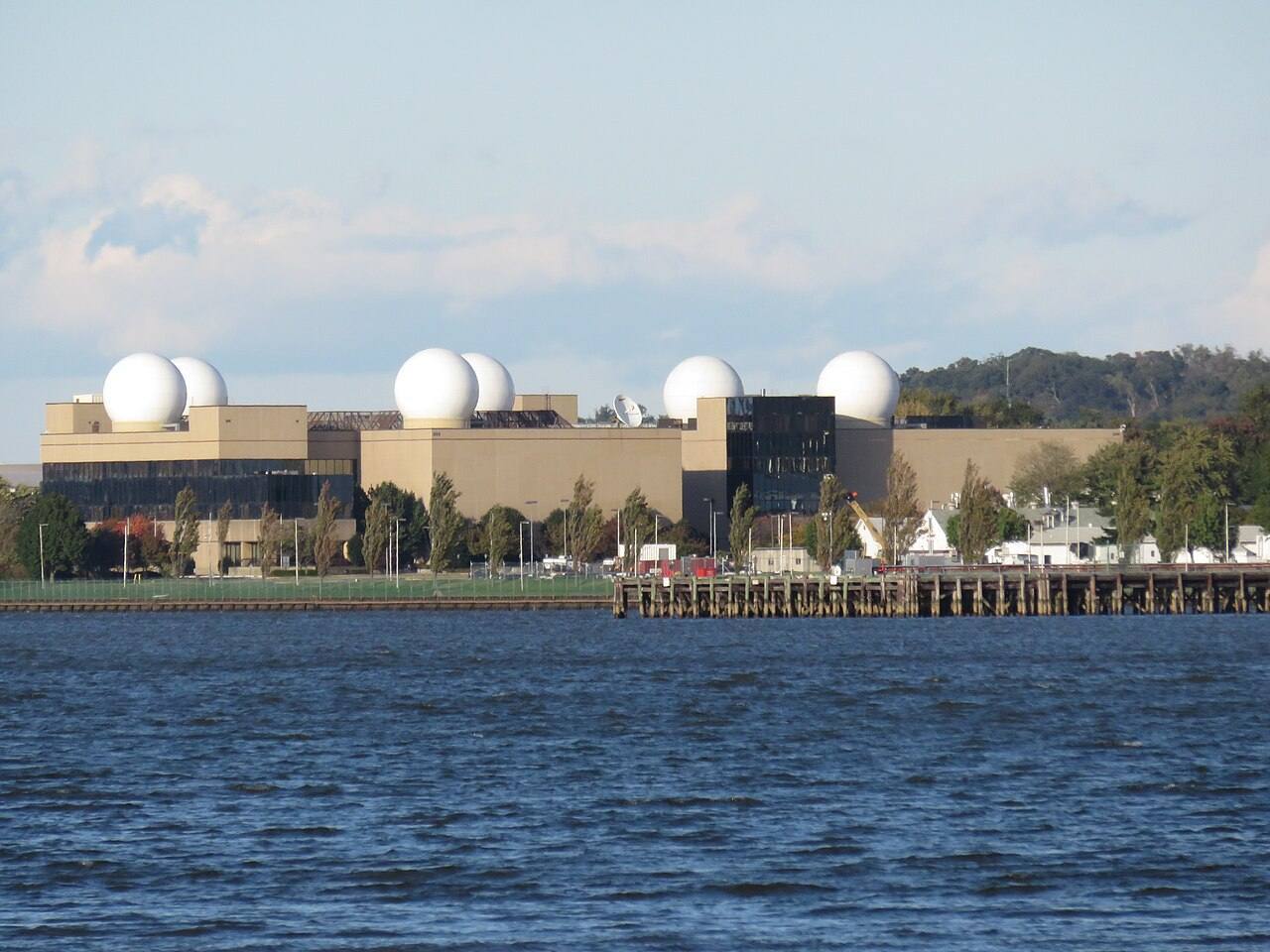
The Particle Physics Landscape
As scientists work tirelessly to unravel the mysteries of the universe, the public's understanding of particle physics remains a mix of awe and confusion. The Large Hadron Collider (LHC) at CERN, which has been in operation since 2008, has been the centerpiece of many significant discoveries, including the confirmation of the Higgs boson in 2012. Yet, with every new announcement, skepticism grows amidst claims that may be exaggerated or misrepresented.
"The excitement surrounding particle physics can sometimes overshadow the need for rigorous scientific validation." - Anonymous Physicist
Claims vs. Reality
Recently, several physicists affiliated with CERN claimed to have evidence supporting the existence of new particles beyond the Standard Model, igniting a wave of media coverage and public enthusiasm. The media, eager for a story that captures the imagination, often presents these findings as definitive breakthroughs. Nevertheless, the scientific method demands caution. Preliminary results must undergo extensive peer review, and conclusions should not be drawn until all data is analyzed comprehensively.
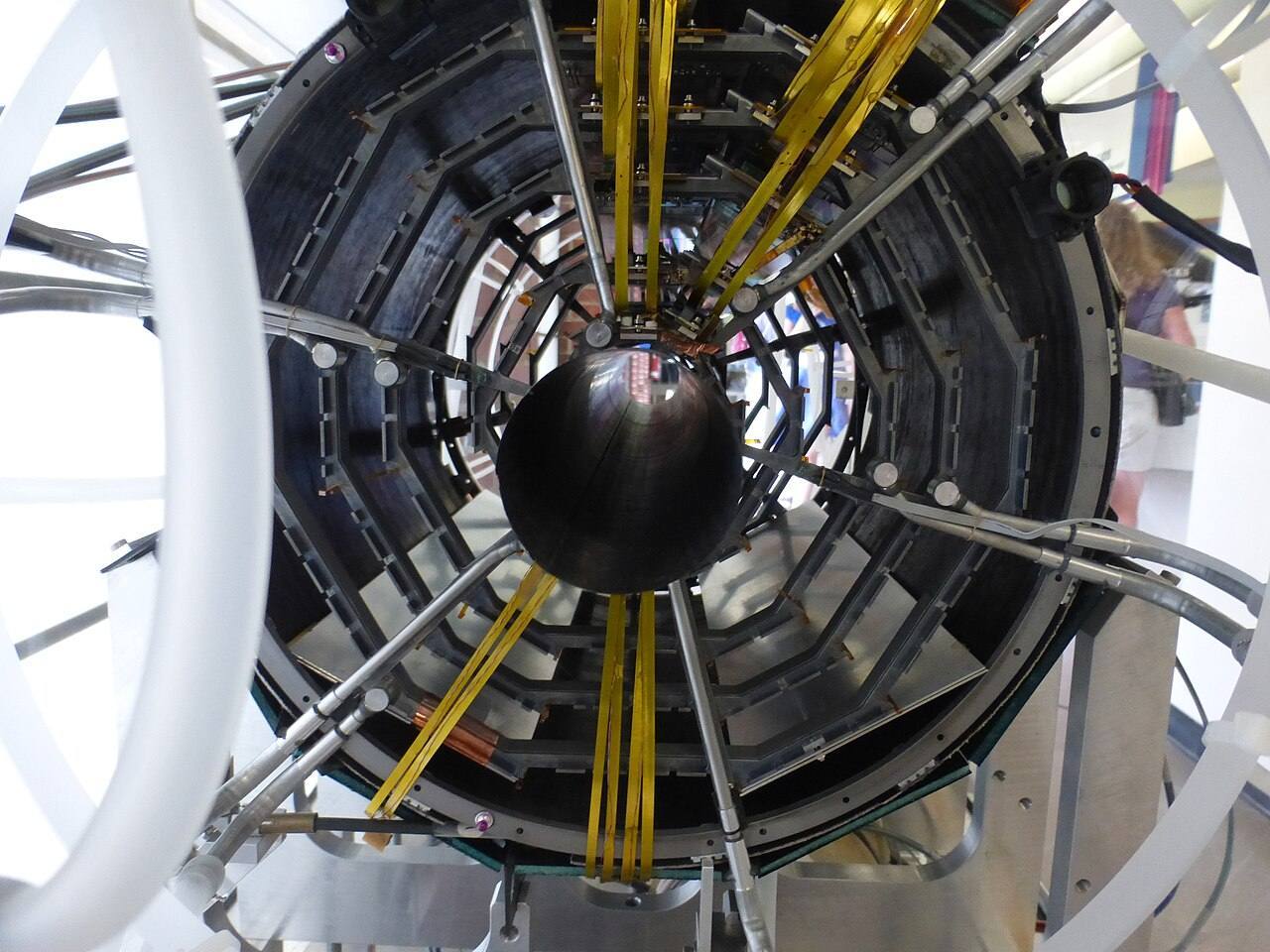
Critics argue that the rush to announce potentially groundbreaking discoveries can lead to misinterpretations. The headlines may shout of new particles, yet the underlying data often suggests that these findings are still in the realm of hypothesis rather than established fact. This disparity raises questions about the motivations behind such announcements: Are scientists genuinely excited about their findings, or is there pressure to secure funding and public interest?
The Role of Media in Scientific Communication
The media plays a critical role in translating complex scientific concepts into accessible language for the public. However, this can lead to oversimplification. In the race for gripping headlines, the nuances of scientific research may be lost. A recent headline touted "The Discovery of a New Particle!" without adequately representing the ongoing nature of the research and the uncertainty surrounding it.
Moreover, the sensationalism often seen in science reporting can lead to public misconceptions. When the findings are later moderated or disproven, it can contribute to a broader skepticism towards scientific inquiry. The public’s trust in science is at stake, and scientists must navigate this landscape with care, ensuring they communicate their findings responsibly.
A Call for Transparency
Given the stakes involved in particle physics research, transparency is vital. Researchers should openly discuss the limitations of their findings and the preliminary nature of their results. There is a growing call within the scientific community for a more cautious approach to announcements, emphasizing that while the search for new particles is exciting, it is equally important to ground expectations in scientific reality.
Conclusion: The Middle Ground
In the current climate, where both the left and right extremes of the political spectrum seek to capitalize on scientific findings to support their narratives, the scientific community finds itself at a crossroads. The left may advocate for funding and support for science, often conflating potential with certainty. Meanwhile, the right may question scientific validity, citing instances where claims fell short of expectations.
Thus, a middle ground is essential. It is crucial for scientists to communicate their findings with integrity, while the media must take care to report responsibly without succumbing to sensationalism. As we stand on the brink of potential new discoveries in particle physics, let us remember that scientific progress is a journey, not an endpoint.
✦ ✦ ✦