From the file. Written for the paper dated August 2016. Opened in the public stacks July 14, 2026.
Factory orders have seen a mix of optimism and skepticism in recent weeks, as public discourse often contrasts sharply with the actual data. While political narratives attempt to paint a positive picture of economic recovery, the reality of factory orders reveals a more complex and nuanced situation.

Public Claims of Recovery
In an election year saturated with rhetoric, both sides of the political spectrum are eager to showcase any favorable economic indicators. The left touts factory orders as evidence of a rebounding manufacturing sector, suggesting that policies implemented over the last several years have finally begun to bear fruit. Meanwhile, the right points to the same data but emphasizes failures of government intervention and regulation, claiming these factors stifle true economic growth.
"The numbers show a slight uptick, but we must remain cautious about interpreting them through a political lens."
The Reality of Factory Orders
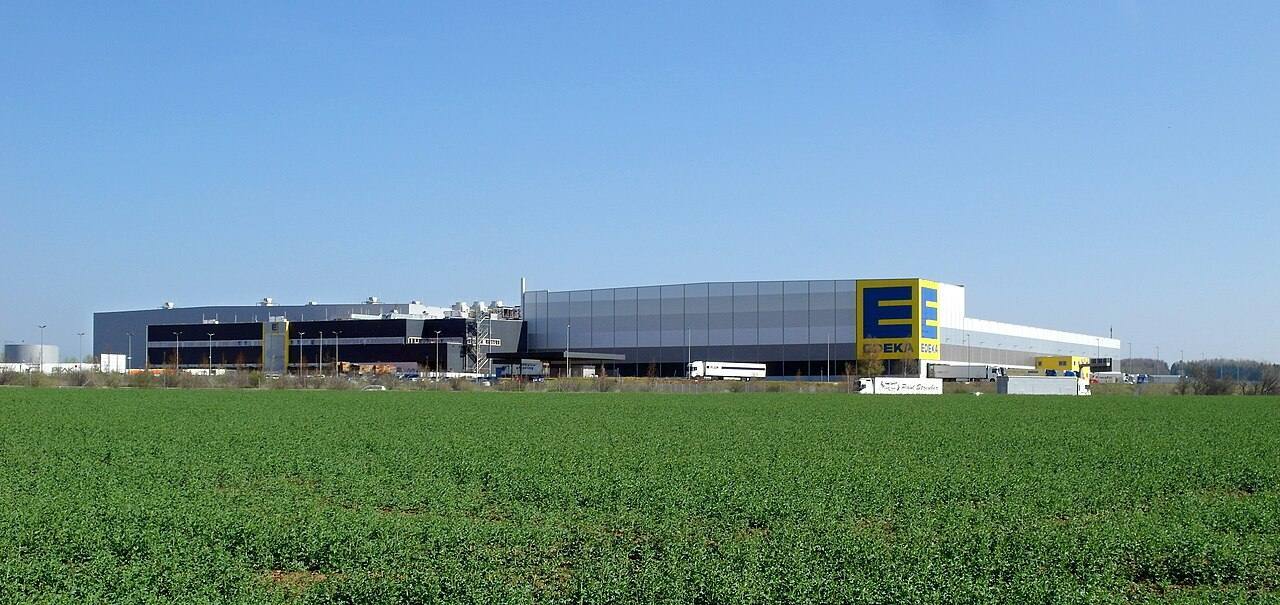
According to the latest reports, factory orders increased by a modest percentage last month, reflecting an ongoing recovery in specific sectors such as transportation and machinery. However, these figures must be approached with caution. A closer examination reveals that while some areas are indeed improving, others continue to struggle. For instance, the overall manufacturing sector has faced significant headwinds from international competition, fluctuating commodity prices, and uncertainty surrounding global trade agreements.
Excesses of Optimism
The left’s unbridled optimism may lead to an inflated sense of security regarding the economy. Politicians are quick to leverage positive data points, often neglecting the broader context of persistent challenges. This could lead to complacency among policymakers and citizens alike, making it easy to overlook the precarious nature of recovery in the manufacturing sector.
This overly optimistic narrative may also obscure the fact that many factories are still operating at reduced capacity. Layoffs and shutdowns have been common as companies grapple with the realities of a changing economic landscape. Furthermore, some analysts argue that the rise in factory orders may not necessarily translate to job growth or increased wages, which remain significant concerns for many American workers.
Critique of the Right’s Narrative
"It is essential to balance criticism of policy with an understanding of broader economic trends affecting the sector."
The Need for Nuanced Discussion
To truly understand the dynamics at play in factory orders, a more nuanced discussion is necessary. Rather than falling prey to partisan excesses, stakeholders must consider the unique challenges facing the manufacturing sector. Discussions around factory orders should include the implications of automation, trade policies, and the need for workforce development. This broader analysis can lead to more effective policies that address the root causes of economic stagnation in certain areas.
Conclusion
As we navigate this complex economic landscape in August 2016, it is crucial for both political leaders and the public to remain grounded in reality. While there are glimmers of hope in factory orders, they are not a panacea for the many challenges that remain. Both sides of the aisle must move beyond oversimplified narratives and engage in meaningful discussions that reflect the complexities of the manufacturing economy.
✦ ✦ ✦