From the file. Written for the paper dated June 2016. Opened in the public stacks July 14, 2026.
The U.S. Postal Service is in crisis, and it’s time to address the root causes that are exacerbated by both left and right ideological extremes.
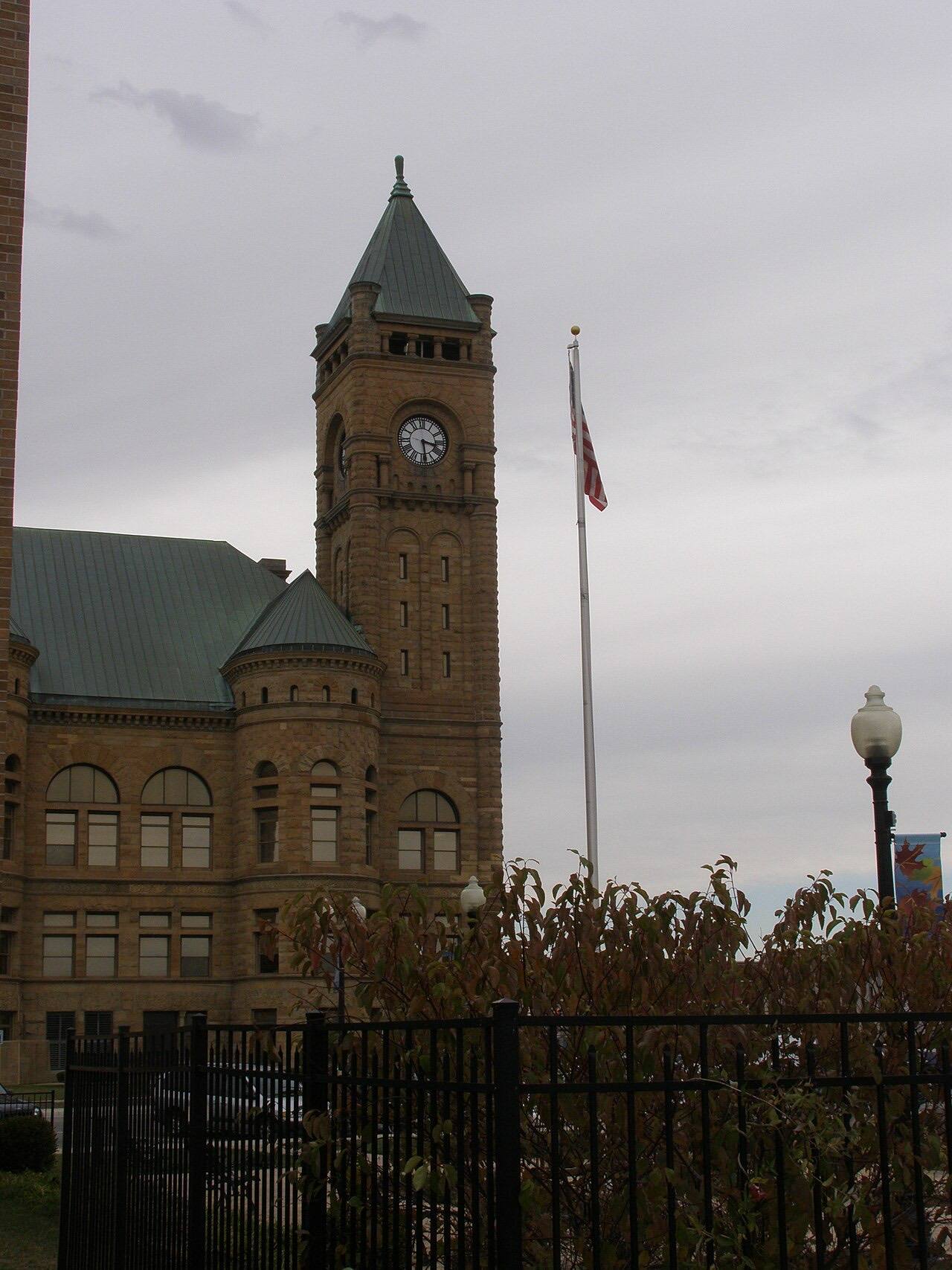
The Current State of the Postal Service
The U.S. Postal Service (USPS) has long been a pillar of American infrastructure, yet recent developments have pushed it to the brink. Reports of financial instability and service delays have become commonplace. While many citizens rely on the USPS for essential services, the political discourse surrounding it has often been overshadowed by extreme positions from both sides of the aisle.
On one hand, the left argues for expansive reforms and increased funding, positioning the USPS as a public good that requires government support to survive. On the other hand, the right often calls for privatization, claiming that market forces would improve efficiency and reduce costs. Both extremes, however, fail to recognize the nuanced reality of the situation.

Left-Wing Excess: Idealism Over Pragmatism
The progressive agenda has increasingly viewed the Postal Service as a vehicle for social equity, advocating for expanded services like banking and package delivery to underserved communities. While the intent is commendable, the approach risks overlooking the operational realities that the USPS faces. The notion that simply pouring more taxpayer money into the system will resolve its financial woes is overly simplistic and ignores deeper issues, such as outdated infrastructure and management inefficiencies.
"Pouring more money into the system will resolve its financial woes is overly simplistic."
The USPS must adapt to the changing landscape of communication and commerce, yet progressive proposals often lack a clear path for modernization. Without a definitive strategy that combines both funding and reform, the USPS risks becoming an even greater burden on taxpayers while failing to meet the demands of the public.
Right-Wing Excess: The Myth of Privatization
Conversely, the right’s push for privatization of the USPS rests on the belief that the marketplace will naturally correct inefficiencies. However, this perspective disregards the unique role that the USPS plays in our economy, especially in rural and underserved areas where private companies may have little incentive to operate.
Privatization could lead to increased costs and reduced access, disproportionately affecting those who rely on the Postal Service the most. It is crucial to understand that the USPS is not just another business; it is an essential service that connects Americans across vast distances. A one-size-fits-all market approach fails to recognize the complex needs of a diverse population.
The Middle Ground: A Call for Balanced Solutions
Both sides of the political spectrum must recognize the need for a balanced approach to reforming the Postal Service. This includes acknowledging the merits of certain leftist proposals, such as investment in technology and infrastructure, while also considering the efficiencies that private sector practices can introduce.
Instead of ideological gridlock, policymakers should engage in meaningful dialogue to create a sustainable path forward. This could involve exploring hybrid models that maintain the public nature of the USPS while allowing for private partnerships that enhance its capabilities.
Public Sentiment and the Future
Public sentiment towards the USPS is mixed. Many Americans value the service and recognize its historical significance, while others are frustrated by delays and inefficiencies. The challenge lies in harnessing this sentiment to drive constructive change rather than allowing it to be weaponized by partisan agendas.
In this critical moment, it is imperative that we resist the urge to vilify one side while glorifying the other. Both extremes need to take a step back and evaluate the facts. The Postal Service deserves a thoughtful approach that prioritizes the needs of the American people over political posturing.
Conclusion: Finding a Path Forward
As we move forward, it is essential for both sides of the political spectrum to prioritize collaboration over conflict. The USPS is not merely a governmental agency; it is an integral part of the American fabric that requires thoughtful reforms, not radical transformations.
Finding common ground will be key to ensuring that the Postal Service can fulfill its mission of connecting communities while adapting to the realities of the modern world. The time for pragmatic solutions is now, and it is up to both progressives and conservatives to step up to the plate.
✦ ✦ ✦