From the file. Written for the paper dated June 2016. Opened in the public stacks July 14, 2026.
In a time when media narratives often reflect the deep divisions within our political landscape, it is essential to analyze the incentives driving coverage from both the left and the right. The escalating partisanship not only influences the way stories are reported but also shapes public perception and political discourse.

Understanding the Incentives
At the heart of the media's role in society is its responsibility to inform the public. Yet, as we navigate the political climate of June 2016, it becomes increasingly clear that financial and ideological incentives frequently skew this mission. Each side of the political spectrum seems to be locked in a battle for narrative supremacy, leading to sensationalism and, at times, downright misinformation.
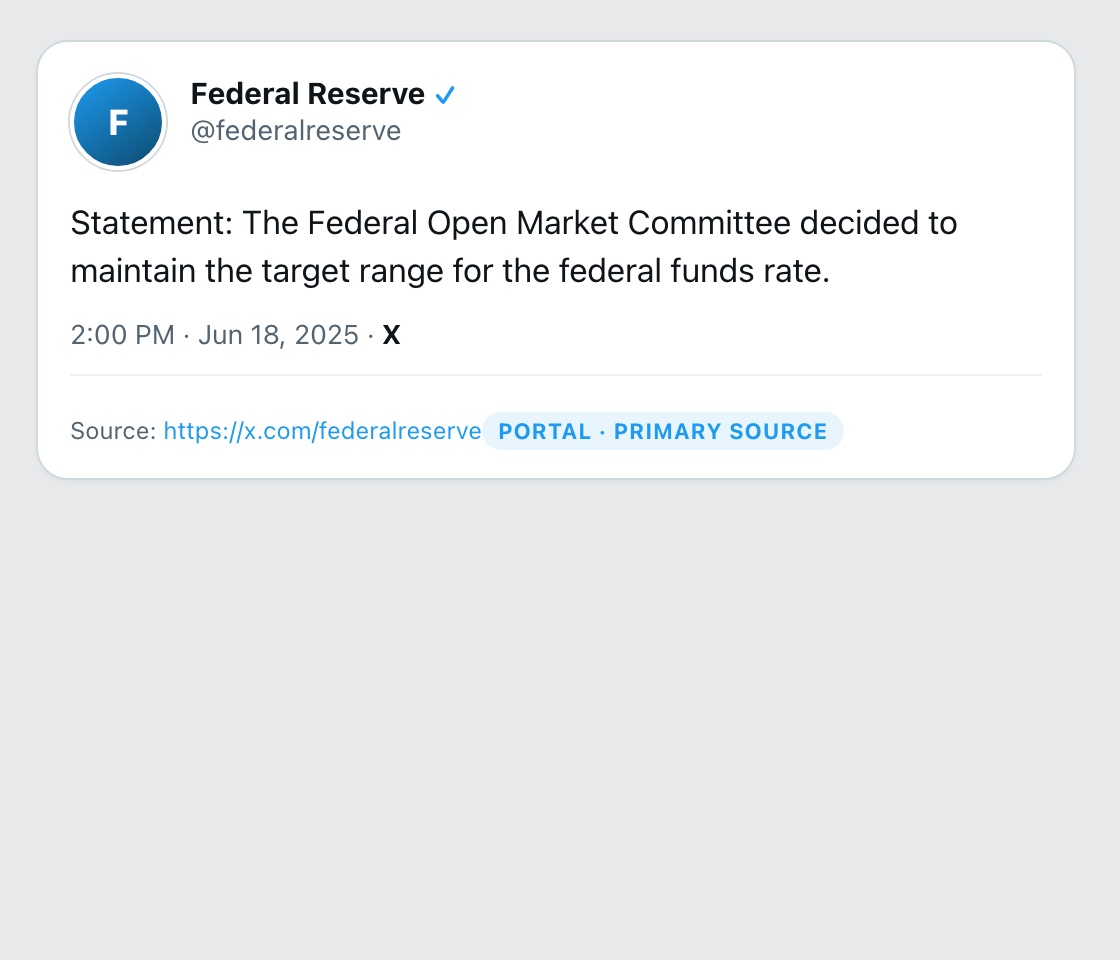
On the left, the incentive to frame stories through a progressive lens often leads to coverage that emphasizes social justice issues, climate change, and economic inequality. While these topics are undeniably important, the framing can sometimes border on alarmism, sacrificing nuance for the sake of outrage. This approach not only risks alienating moderate audiences but can also diminish the perceived credibility of legitimate concerns. The goal seems to be to rally the base, but in doing so, it often misses the opportunity to engage in constructive dialogue with those who may not share the same views.

Conversely, the right often capitalizes on grievances, portraying a world under siege from liberal policies and ideologies. Media outlets on this side frequently prioritize stories that resonate with feelings of disenfranchisement among their viewers. While raising valid concerns about government overreach and cultural shifts, their coverage can sometimes devolve into fearmongering, distorting facts to fit a narrative that aligns with their audience's anxieties. In this environment, objectivity becomes a casualty, as the pursuit of ratings and clicks takes precedence over responsible journalism.
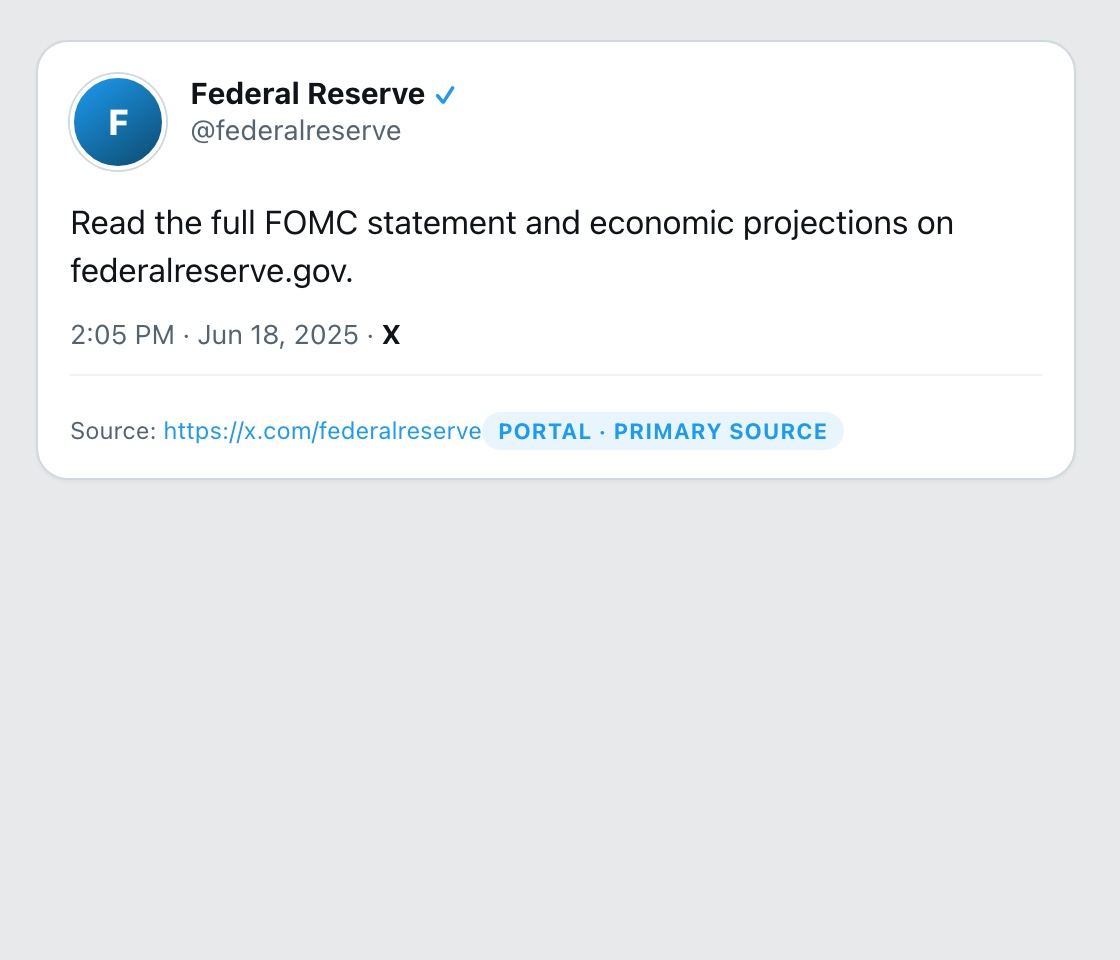
“Incentives drive narratives, and narratives drive public perception. We must question the motivations behind the stories we consume.”
The Impact of Partisan Media
The rise of partisan media has created echo chambers where individuals are not only fed narratives that align with their beliefs but are also encouraged to dismiss opposing views. This phenomenon not only deepens political polarization but also erodes trust in traditional media outlets. When viewers are bombarded with biased reporting, the space for nuanced discussion shrinks, making it increasingly difficult to reach common ground.
Moreover, the incentives driving media coverage can have real-world consequences. The portrayal of events like protests or political rallies often lacks context, leading to a skewed understanding of the issues at hand. When coverage is focused on the extremes, it can overshadow the voices of moderates and those seeking compromise. The media's tendency to sensationalize conflict can perpetuate cycles of outrage, making it challenging for rational discourse to thrive.
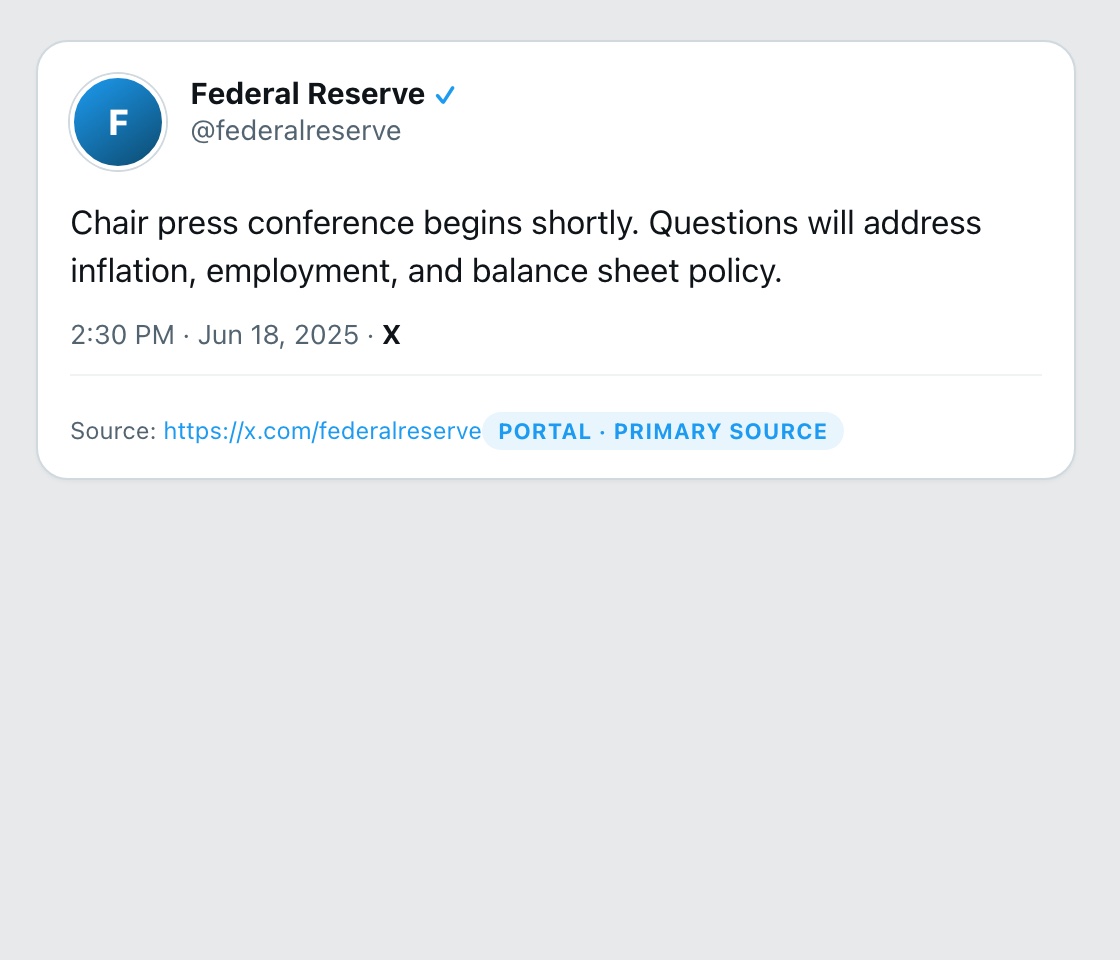
Finding a Path Forward
As consumers of news, it is crucial to seek out diverse perspectives and critically engage with the information presented. Acknowledging the incentives at play can help us navigate the murky waters of political reporting. It is the responsibility of journalists to strive for accuracy and fairness, yet it is equally important for audiences to hold them accountable. This accountability can foster a media environment that prioritizes truth over sensationalism, allowing for a more informed public.
In conclusion, the media landscape of June 2016 exemplifies the challenges posed by ideological incentives. Both the left and the right must grapple with the implications of their narratives and consider the broader impact on society. Only by recognizing and addressing these incentives can we hope to cultivate a media environment that serves the public interest, rather than merely fueling the fires of division.
✦ ✦ ✦