From the file. Written for the paper dated June 2016. Opened in the public stacks July 14, 2026.
In the fast-paced world of federal agency rulemaking, the tug-of-war between progressive and conservative agendas often results in a tumultuous landscape, with each side vying for their vision of America to take precedence.

The Dance of Regulation
As we delve into the latest developments in federal agency rulemaking, it's essential to recognize that the motivations and methods employed by both sides of the political spectrum are often driven by a mix of genuine concern for the public good and the ever-present influence of special interests. This week, several agencies have proposed rules that highlight the stark contrasts in ideology and approach between the left and the right.
On one hand, progressive lawmakers are pushing for stricter environmental regulations aimed at combating climate change. The Environmental Protection Agency (EPA) has been at the forefront, proposing new regulations that would limit carbon emissions from power plants. Advocates claim these measures are necessary to protect public health and the environment. However, critics argue that the economic ramifications could be severe, especially for industries reliant on fossil fuels. The fear, they say, is that job losses could overshadow any potential environmental benefits.
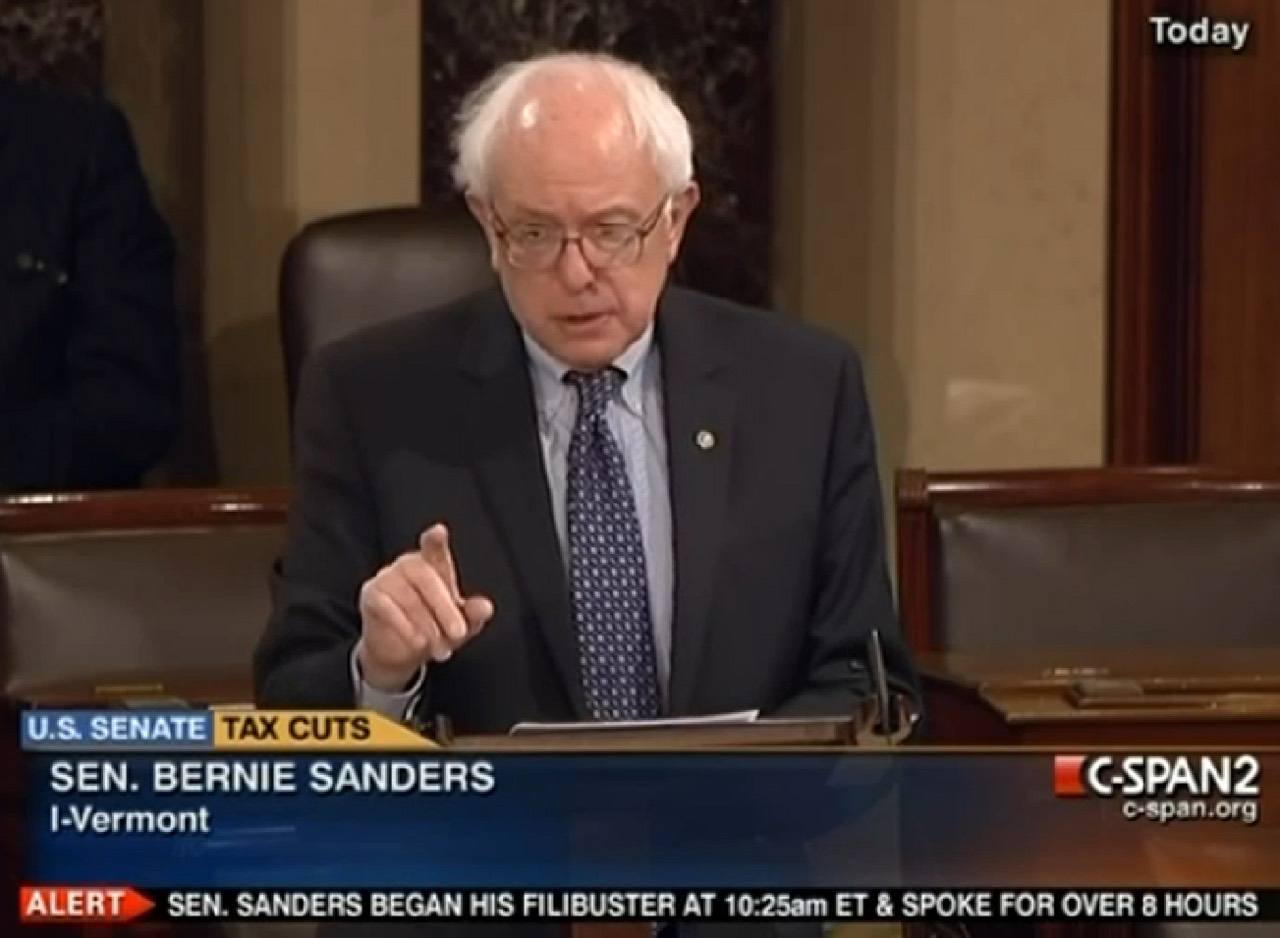
Conversely, the right is rallying against what they deem overreach by federal agencies. The pushback against the EPA's regulations is emblematic of a broader trend in which conservative lawmakers are calling for a rollback of regulations they argue stifle economic growth. The emphasis on deregulation is a key talking point for many Republican politicians, who argue that less government interference will allow businesses to thrive and create jobs. Yet, this approach raises concerns about the potential for environmental degradation and public health risks, as well as a lack of accountability for corporations.
"The debate over regulation isn’t just a matter of left versus right; it’s a complex interplay of interests that often leaves the average citizen caught in the middle."
A Bipartisan Issue
Interestingly, while the partisan divide is often highlighted, there are areas where both sides find common ground. For instance, the bipartisan support for the reform of the U.S. Food and Drug Administration (FDA) has seen agencies working together to streamline the approval process for new medications and medical devices. This collaboration is a refreshing reminder that not all rulemaking is mired in partisan bickering. It’s a recognition that effective governance can, and should, transcend political lines.
However, these moments of unity are often overshadowed by the more sensationalized battles over agency rules. The recent debates surrounding the Department of Labor’s proposed changes to overtime regulations serve as a prime example. Proponents argue that expanding eligibility for overtime pay will support workers and help close the wage gap, while opponents warn that it could lead to unintended consequences, such as reduced hiring or increased automation as businesses seek to cut costs.
Public Sentiment and the Role of Media
The media plays a crucial role in shaping public perception of these regulatory battles. Sensational headlines and polarized coverage can exacerbate divisions, leading to a populace that is either fiercely protective of regulations or vehemently opposed to them. This dichotomy often results in a misunderstanding of the complexities involved in federal agency rulemaking. The public may be quick to react to headlines without fully grasping the nuances of the rules being proposed.
Furthermore, the influence of lobbying cannot be ignored. Special interest groups, both for and against regulation, wield significant power in shaping the conversation around agency rulemaking. Their lobbying efforts can lead to rules that favor specific industries or agendas, often at the expense of broader public interests. This raises important questions about transparency and accountability in the rulemaking process.
A Call for Balanced Discourse
As we navigate this complex landscape, it is vital for both sides to engage in balanced discourse that prioritizes the welfare of the American public over partisan victories. The stakes are high, and the implications of agency rulemaking reach far beyond the walls of government buildings. Citizens deserve to have their voices heard in these discussions, and constructive dialogue can pave the way for regulations that are both effective and equitable.
✦ ✦ ✦