From the file. Written for the paper dated May 2016. Opened in the public stacks July 14, 2026.
In the current climate of rapid information exchange, the tendency for experts to overclaim in their briefings has become a growing concern. Both sides of the political spectrum showcase their own brand of exaggeration, leaving the public with a muddied understanding of complex issues.
The Left's Overreach
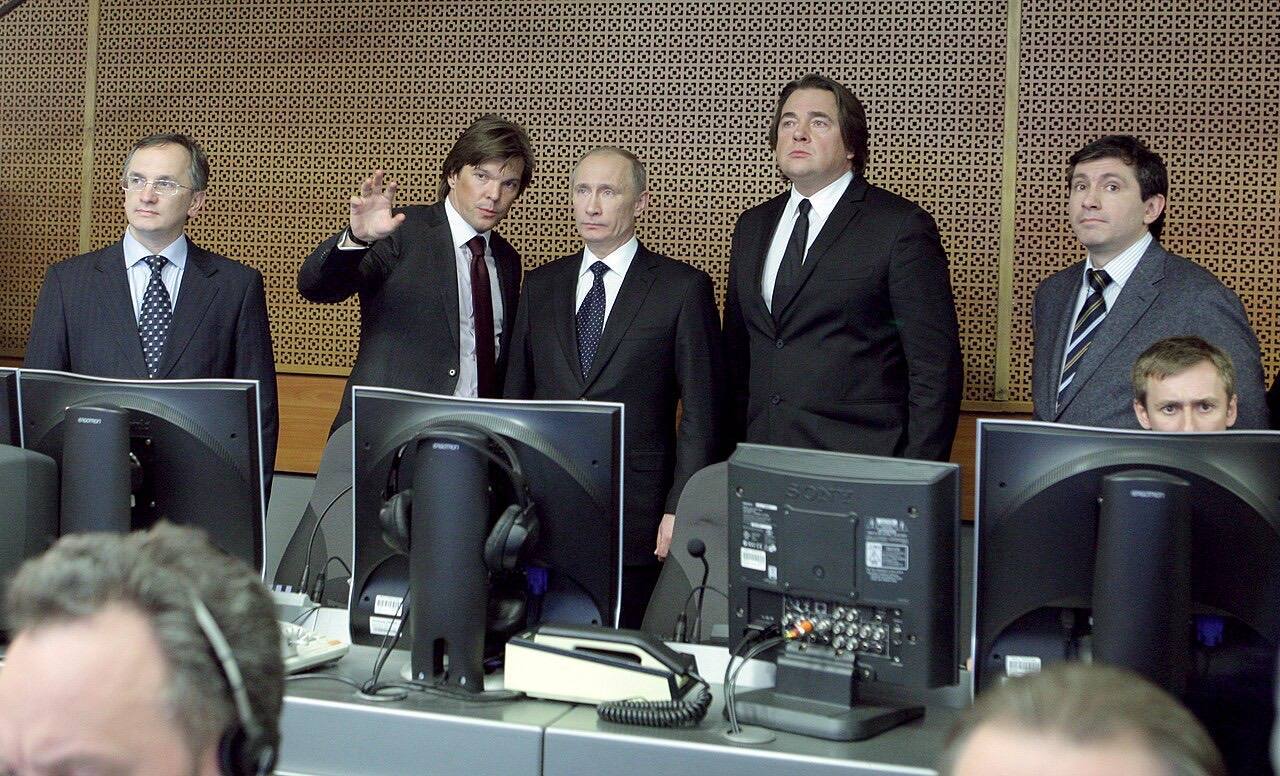
On the left, we have seen experts proclaim dire consequences if we do not take immediate action on climate change. While the urgency of addressing environmental issues is critical, the framing often lacks nuance. By presenting scenarios as absolute certainties, they risk alienating moderate voices who may want to engage in constructive dialogue. The insistence on apocalyptic predictions can lead to a backlash, where reasonable discussions about policy solutions are drowned out by fear-mongering.

The Right's Dismissal
Conversely, experts on the right have been known to downplay the severity of social issues, particularly regarding inequality and systemic racism. Their critiques often suggest that social justice movements are based on exaggerated claims. This dismissal of lived experiences not only undermines the voices of countless individuals but also stifles important conversations that could lead to positive change. By oversimplifying complex issues, these experts leave out crucial data and perspectives that are necessary for a holistic understanding.

"When both sides overclaim, the truth is often lost in the noise."
The Role of Media
The media, in its quest for compelling narratives, often amplifies these overclaims without sufficient scrutiny. Headlines scream of impending disaster or unyielding progress, but the subtleties of the arguments presented by experts are frequently overlooked. This sensationalism can create a polarized environment, where the general public is left grappling with an oversimplified view of reality.
Bridging the Divide
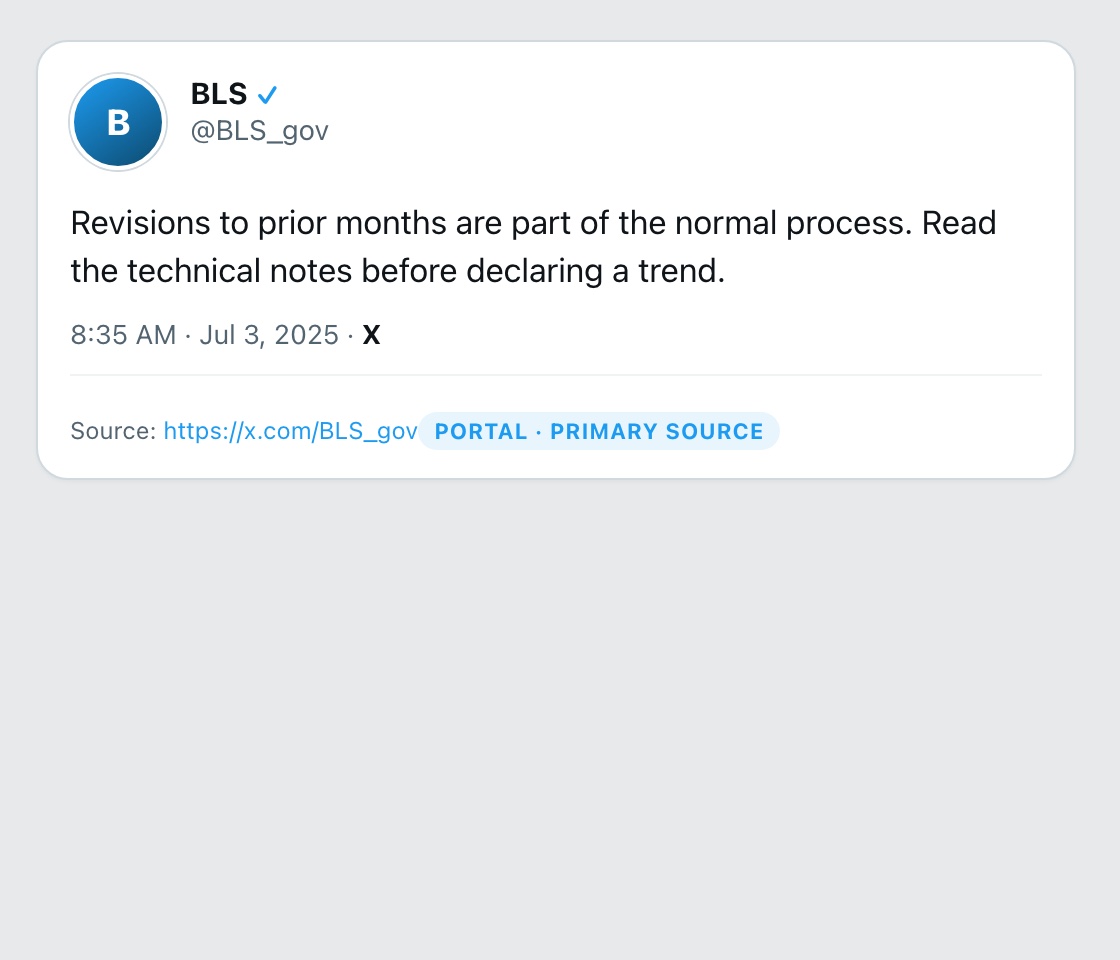
To foster a more constructive dialogue, experts must strive for accuracy and humility in their claims. Acknowledging the limitations of their knowledge can pave the way for more productive discussions. When experts present their findings, they should highlight uncertainties and avoid absolute statements that may mislead the public.
Moreover, it is essential for experts to engage with those who hold differing views. A genuine exchange of ideas can lead to a deeper understanding of complex issues. Bridging the divide between opposing viewpoints will not only enrich the discourse but also help to identify common ground where collaborative solutions can be found.
The Power of Nuance
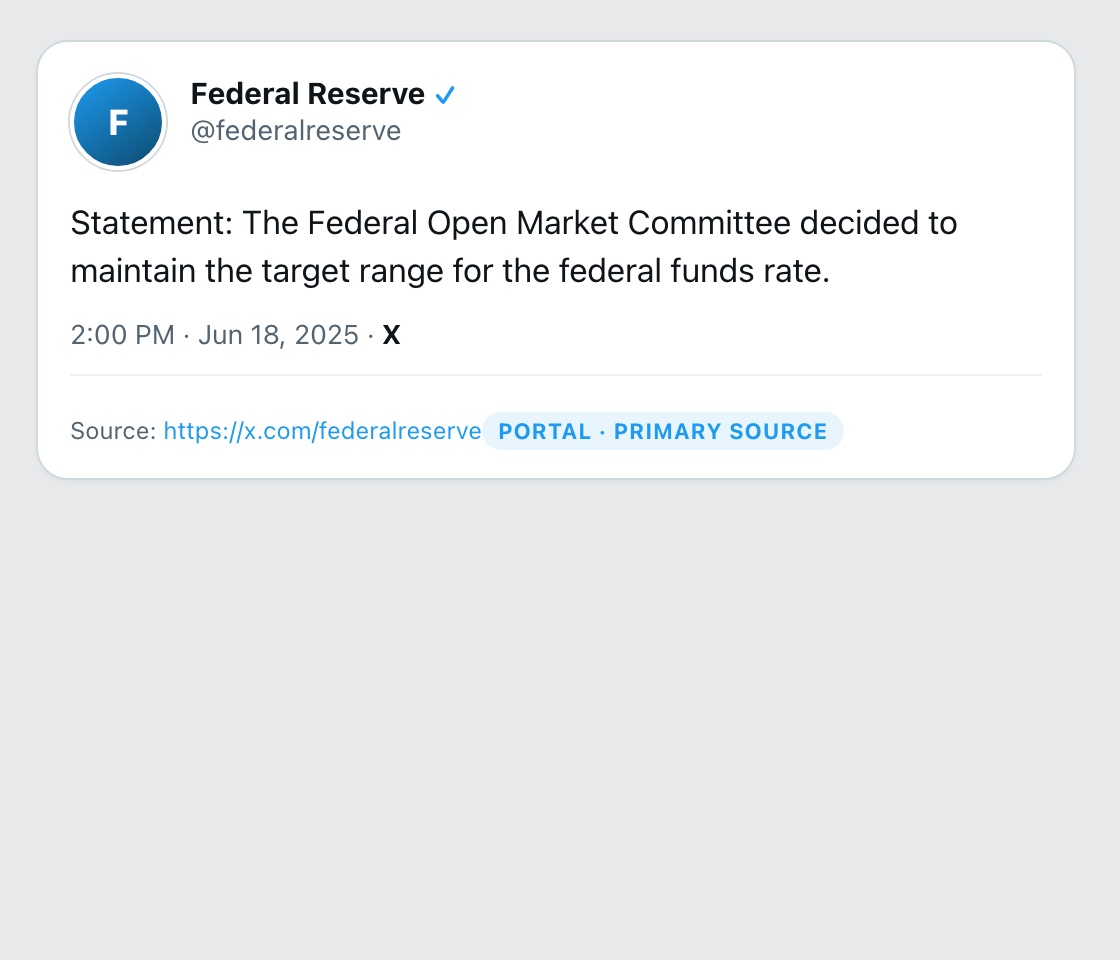
One of the most critical aspects of expert communication is the power of nuance. Presenting a balanced view that takes into account multiple perspectives is key to fostering understanding. For example, while climate change is a pressing issue that requires immediate action, there are varying approaches to address it that can also consider economic impacts and social equity.
Similarly, acknowledging the realities of systemic issues does not negate the importance of personal responsibility. Experts must work to frame discussions in a way that encourages collaboration rather than confrontation, allowing for a more comprehensive dialogue that can drive real change.
Conclusion
In conclusion, the overclaims made by experts on both sides of the aisle not only distort the truth but also contribute to a fragmented society. By focusing on a more nuanced and measured approach, experts can help restore faith in their findings and encourage a more informed public discourse. It is only through this shared commitment to clarity, humility, and openness that we can hope to navigate the complex issues of our time.
✦ ✦ ✦