From the file. Written for the paper dated May 2016. Opened in the public stacks July 14, 2026.
As the latest wave of Main Street bankruptcies comes to light, a troubling narrative is emerging: the stories behind the numbers are often obscured by the simplistic statistics that flood our briefings.
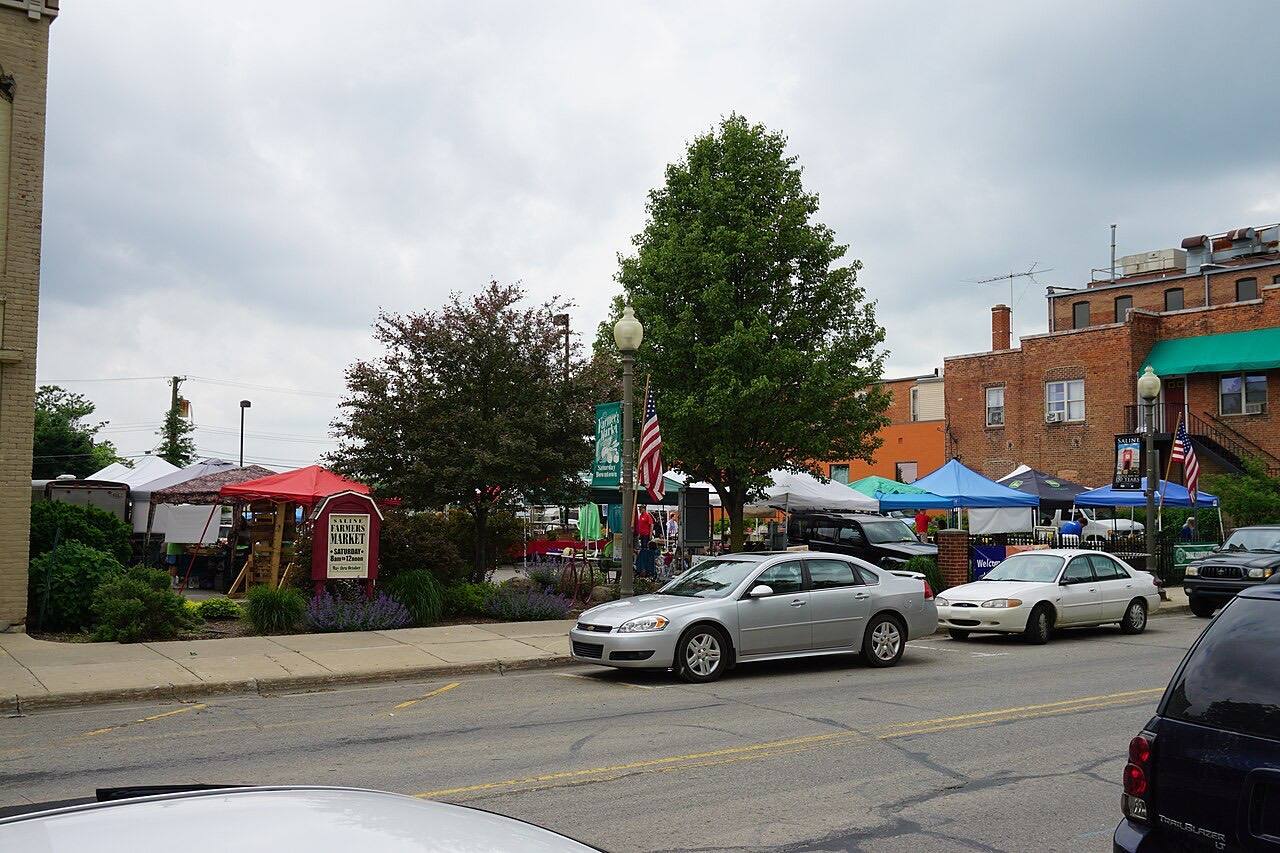
The Human Cost of Failed Businesses
When we hear the term "bankruptcy," it's all too easy to envision cold, clinical calculations - debtors unable to pay their bills, creditors left in the lurch. But behind every bankruptcy filing lies a complex tapestry of personal stories, dreams, and community impacts that are often left untold. The recent spate of bankruptcies should not just be considered through the lens of economic metrics; we must also recognize the human lives affected.
For many small business owners, the decision to file for bankruptcy is not simply a financial one but an emotional and psychological struggle. Business owners pour their heart and soul into their enterprises. When they face the grim prospect of closure, it is not only their livelihood at stake but also their identity and self-worth.
Media Coverage: A Missed Opportunity
Unfortunately, mainstream media often misses the mark when reporting on these bankruptcies. Briefings tend to focus on the numbers - how many businesses have filed, which sectors are most affected, and the percentages of increase compared to previous years. While these figures are undoubtedly important, they fail to capture the full scope of the crisis.
"The headlines may scream numbers, but the stories behind them whisper of resilience and despair."
Moreover, the coverage tends to sensationalize bankruptcies, suggesting a widespread failure of entrepreneurship without acknowledging systemic issues that contribute to these outcomes. Factors such as rising rents, increased competition from online retail giants, and the fluctuating economy create a perfect storm for small businesses struggling to survive. It is vital that we hold space for these narratives, instead of reducing them to mere statistics.
Political Rhetoric: A Divisive Discourse
On both sides of the political spectrum, the discourse surrounding bankruptcies has become a convenient tool for advancing agendas. Some on the left decry the failures of capitalism, blaming the system for these losses, while those on the right often argue that excessive regulation and taxation stifle growth. While both perspectives contain elements of truth, they often ignore the complexities at play.
For example, while it is undeniable that policies can either promote or hinder small business growth, the reality is that many entrepreneurs are not merely victims of the system; they are also innovators and risk-takers. Conversely, the narrative that all small businesses are just waiting for the government to get out of their way overlooks the genuine challenges they face daily. This polarized rhetoric does little to foster constructive dialogue or real solutions.
Community Resilience: The Untold Stories
Despite the grim statistics, there are stories of resilience that deserve attention. Many business owners are not simply throwing in the towel; they are pivoting, adapting, and finding new ways to serve their communities. Whether it’s a restaurant that has shifted its menu to accommodate local tastes or a retail store that has embraced online sales, these stories are often overshadowed by the more sensational tales of failure.
Furthermore, communities rally around their local businesses during tough times. Fundraising efforts, local support groups, and grassroots initiatives often emerge to help struggling businesses weather the storm. These acts of solidarity provide a glimmer of hope in an otherwise challenging landscape, yet they remain largely underreported.
A Call for Comprehensive Reporting
As journalists, we have a responsibility to move beyond the surface-level analysis of bankruptcy filings. The complexities of modern entrepreneurship necessitate a more nuanced exploration of the factors at play. From the personal stories of business owners to the community dynamics that shape these outcomes, it is essential that we offer a comprehensive view of the situation.
In doing so, we can illuminate the paths forward for those affected by bankruptcy while also holding policymakers accountable for the systemic issues contributing to these challenges. The conversation should not end with the numbers; rather, it should spark a dialogue about how we can better support our local businesses and foster a healthier economic environment for all.
✦ ✦ ✦