From the file. Written for the paper dated April 2016. Opened in the public stacks July 14, 2026.
In a time when public confidence in institutions seems to be waning, recent surveys reveal a complex picture of trust in America. As citizens navigate the turbulent political landscape, these findings prompt us to ask: What do the numbers truly reflect about the state of trust in our country?
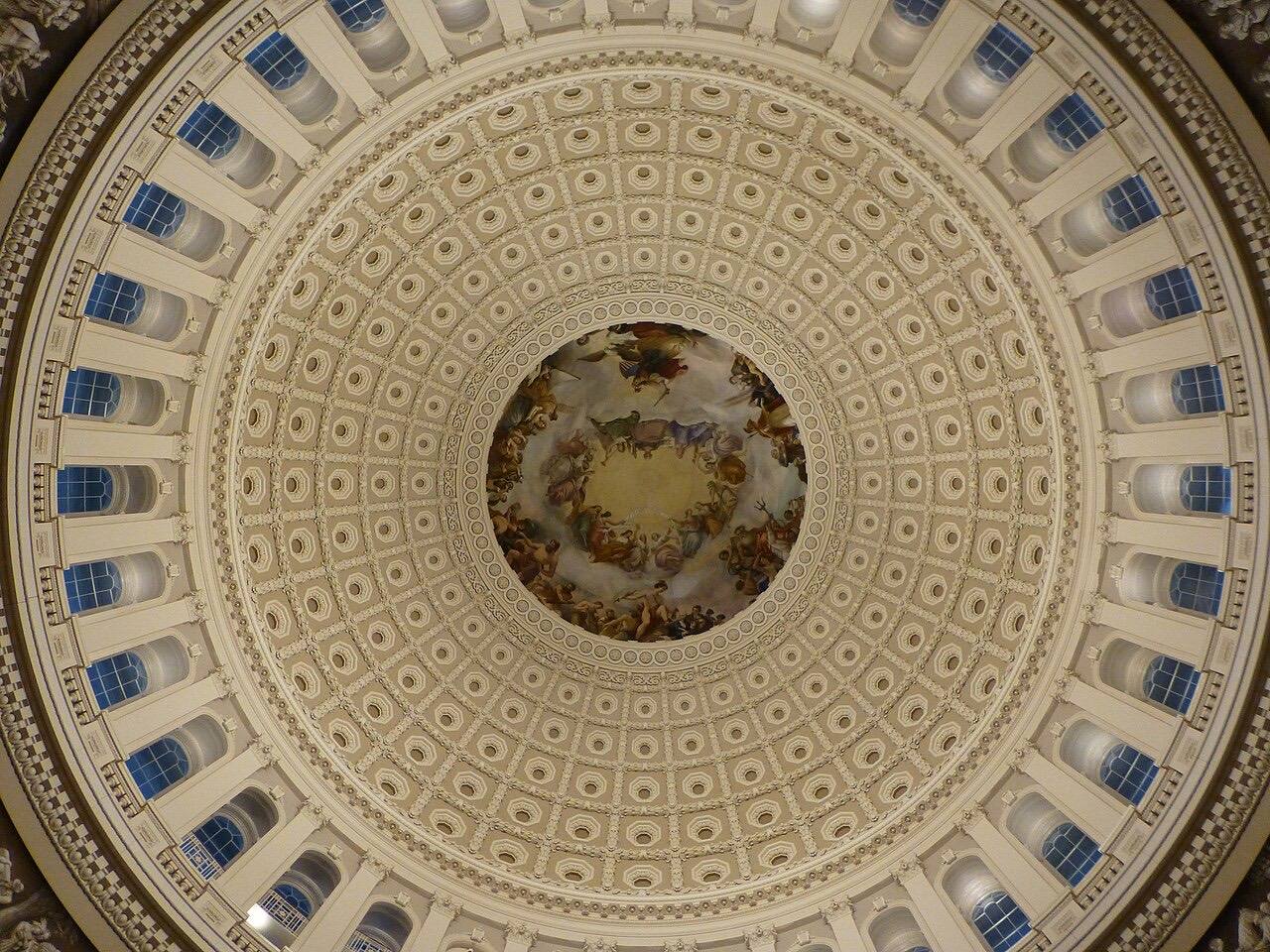
Trust in Institutions: A Dual Narrative
The latest public trust survey, released in April 2016, sheds light on the varying degrees of confidence Americans have in their institutions, from government to media. While the numbers show an overall decline in trust, they also reveal a bifurcated perception based on political affiliation. For instance, trust in government remains near historic lows, especially among conservatives, while liberals express a deep skepticism toward corporate entities.
According to the survey, only 19 percent of respondents indicated that they trust the federal government to do what is right “just about always” or “most of the time.” This figure raises alarm bells about the efficacy of governance in a democracy. Yet, it's crucial to delve deeper into the demographics behind these numbers. The left and right appear to be speaking different languages when it comes to trust, often blaming each other for the systemic failures they each perceive.
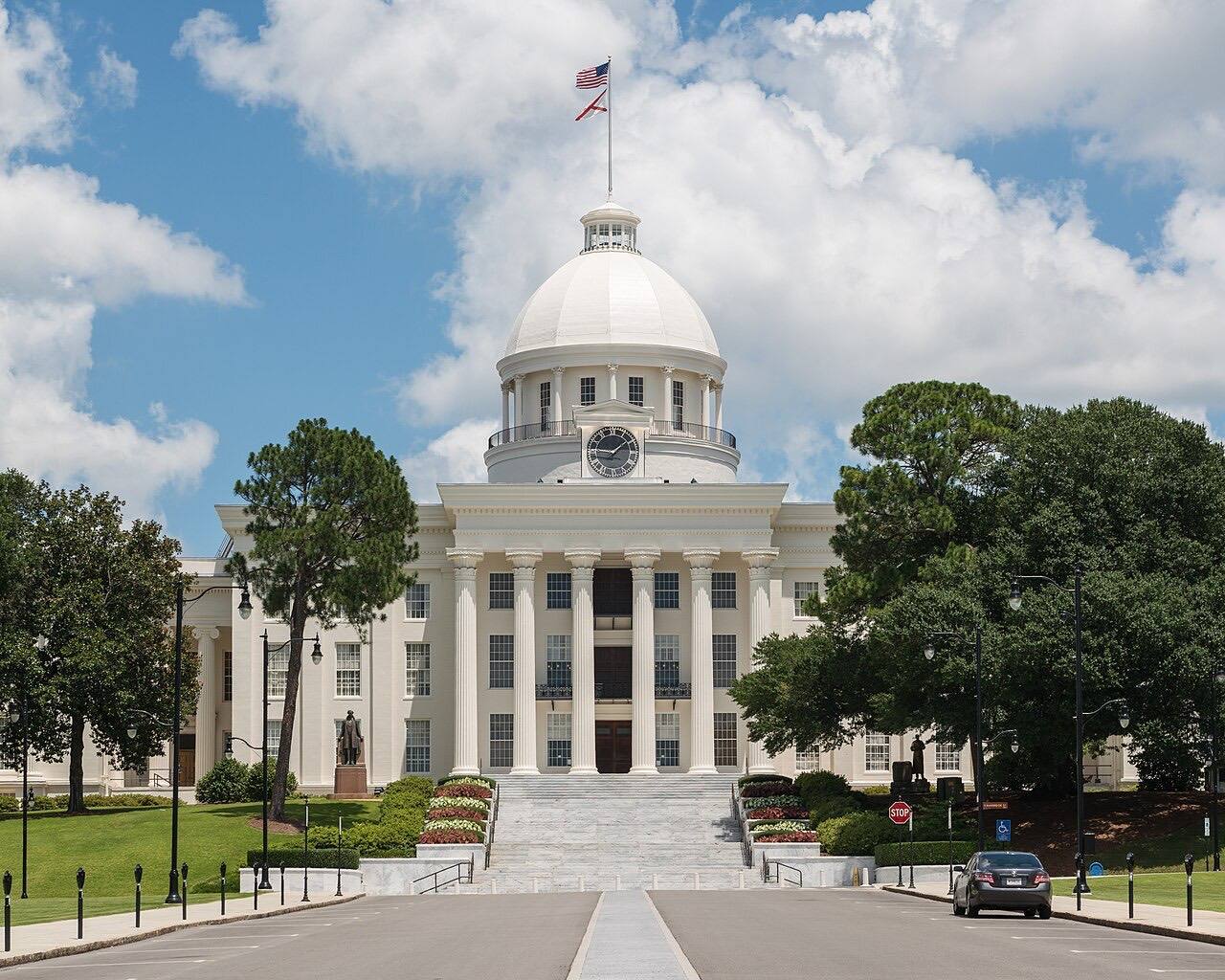
"The left condemns corporate greed while the right decries big government, yet both sides fail to acknowledge their own roles in this erosion of trust."
Trust in media has similarly taken a hit, with 32 percent of respondents saying they trust news organizations to report the news accurately. This decline reflects a growing discontent with the so-called “mainstream media,” which many on the right view as biased against their values and interests. Conversely, many on the left question the media’s role in perpetuating harmful narratives, particularly regarding issues like race and inequality. This ongoing tug-of-war over truth raises serious questions about the shared reality necessary for a functioning democracy.
Partisan Polarization: A Trust Divide
Partisan polarization is not just a buzzword; it’s a reality that continues to shape public opinion. The survey indicates that Democrats and Republicans are increasingly likely to distrust institutions that do not align with their ideological beliefs. For example, while 53 percent of Democrats express trust in public educational institutions, only 28 percent of Republicans feel similarly. This partisan divide extends to everything from law enforcement to scientific organizations, raising concerns about the very fabric of civic engagement.
Such polarization makes it easy to dismiss the concerns of the “other side” as mere partisan rhetoric. The left often falls into the trap of labeling dissent as ignorance, while the right frequently paints opposing views as elitist or out of touch. In this environment, constructive dialogue becomes increasingly difficult, and the potential for collaboration fades.
Rebuilding Trust: A Call to Action
Despite the grim statistics, this survey also highlights an opportunity for rebuilding trust. Organizations and leaders that focus on transparency and accountability may find fertile ground among disillusioned citizens. For instance, community-level initiatives that engage citizens in decision-making processes could counteract feelings of alienation that many Americans experience.
Moreover, fostering media literacy among the populace is essential. As consumers of information, citizens must learn to critically evaluate news sources and recognize bias. This responsibility falls equally on the media itself, which must strive for greater objectivity and ethical reporting standards.
"The challenge lies in bridging the gap between polarized viewpoints and fostering a shared sense of community."
A Shared Responsibility
The current moment calls for introspection from both the left and the right. Each side must confront its own contribution to the erosion of trust. The left must acknowledge that excessive political correctness can alienate potential allies, while the right must recognize that its rhetoric can sometimes exacerbate divisions rather than heal them.
This is not merely an academic exercise; it is a pressing issue that affects the very core of our democracy. Without trust, civic engagement declines, and so does the effectiveness of our democratic institutions. The time has come for all Americans to engage in a collective effort to restore faith in our institutions, fostering a political culture that values dialogue over division.
✦ ✦ ✦