From the file. Written for the paper dated March 2016. Opened in the public stacks July 14, 2026.
Recent public trust surveys reveal a troubling trend: Americans are increasingly willing to embrace certainty over nuance, leading to a dangerous polarization in our political landscape.

The Rise of Certainty
In a time when information is abundant yet often contradictory, a striking number of citizens appear to prefer the black-and-white narratives offered by both sides of the political spectrum. This preference for certainty over complexity is not just a passing trend; it reflects a deep-seated desire for clarity in an increasingly chaotic world.
As the latest public trust survey indicates, the levels of trust in institutions, including government and media, have plummeted. Many Americans feel disconnected from the political process, leading to a growing appetite for leaders who present themselves as decisive and unwavering. This is evident in the rise of figures who promise to restore order and provide clear answers to complex issues.
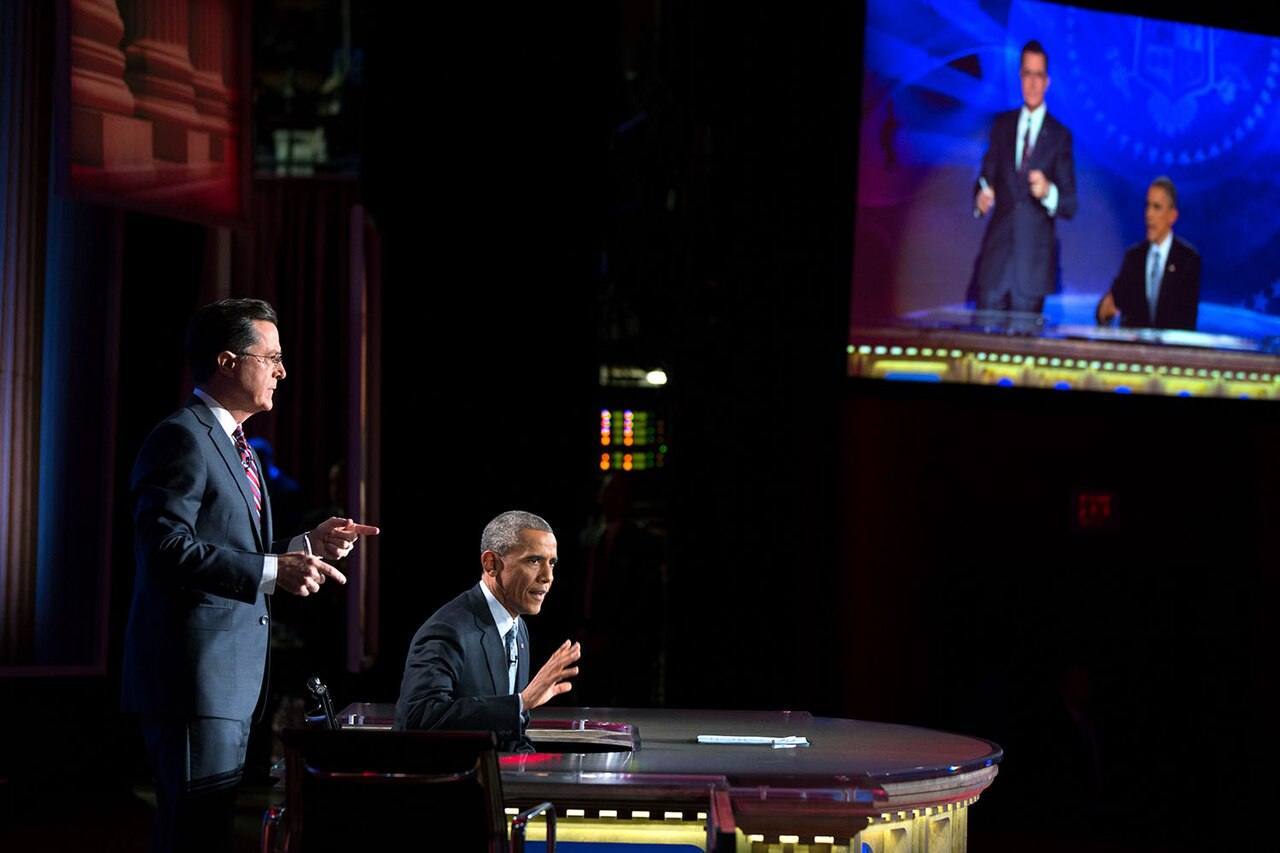
“Certainty is selling briskly in a marketplace of confusion and doubt.”
On the left, the call for social justice and systemic change has taken on an increasingly absolutist tone. Activist movements often frame their goals in stark terms, leaving little room for dialogue. This fervent approach can alienate potential allies who may wish to engage in more nuanced discussions but feel overwhelmed by the intensity of the rhetoric.
Conversely, on the right, the embrace of populism has led to a similar simplification of issues. Political leaders are quick to exploit fears and frustrations, presenting themselves as the champions of a disillusioned populace. The mantra of “America first” is a rallying cry that resonates because it offers a clear, albeit narrow, path forward amidst uncertainty.
Media's Role in the Certainty Crisis
The media landscape also plays a crucial role in this dynamic. The rise of partisan news outlets contributes to the bifurcation of public opinion. Viewers seek out sources that reinforce their beliefs, leading to echo chambers where certainty thrives. This, in turn, exacerbates the distrust in more traditional media, which is often perceived as indecisive or overly cautious in its reporting.

Furthermore, the sensationalist nature of headlines and sound bites caters to the demand for quick, digestible information. This trend undermines the depth of understanding that is necessary for informed citizenry. As complex issues are distilled into simplistic narratives, the public's ability to engage critically with information diminishes.
The Consequences of Embracing Certainty
The implications of this shift are profound. When certainty replaces critical thinking, the potential for constructive discourse diminishes. Both sides of the political spectrum risk becoming entrenched in their positions, making compromise nearly impossible. This environment stifles innovation and progress, as diverse perspectives are sidelined in favor of dogma.
Moreover, the embrace of certainty can lead to a dangerous form of tribalism. When individuals align themselves strictly with one ideology, they may perceive opposing views not just as different, but as threats. This mentality fuels division and hostility, making it increasingly challenging to navigate the shared space of democratic governance.
Finding a Path Forward
To counteract this trend, it is essential to cultivate a culture that values critical thinking and embraces complexity. Education plays a pivotal role in this endeavor. By encouraging students to engage with differing viewpoints and think critically about the information they consume, we can foster a generation that is equipped to navigate the complexities of modern governance.
Moreover, media organizations must take responsibility for their role in shaping public discourse. By prioritizing in-depth reporting and nuanced analysis over sensationalism, they can help cultivate a more informed electorate. This shift requires a commitment to journalistic integrity and a willingness to challenge prevailing narratives, even when it may be less popular.
Conclusion
The current climate of political discourse demands a reevaluation of how we engage with one another. Certainty may be selling briskly, but it comes at a cost. The path forward lies in embracing complexity and fostering an environment where diverse perspectives can coexist. Only then can we hope to rebuild trust in our institutions and one another.
✦ ✦ ✦