From the file. Written for the paper dated March 2016. Opened in the public stacks July 14, 2026.
In an era marked by political polarization and a rapid descent into rhetorical excess, the concepts of honesty and certainty have become increasingly intertwined, creating a potent elixir for manipulation.
The Allure of Certainty
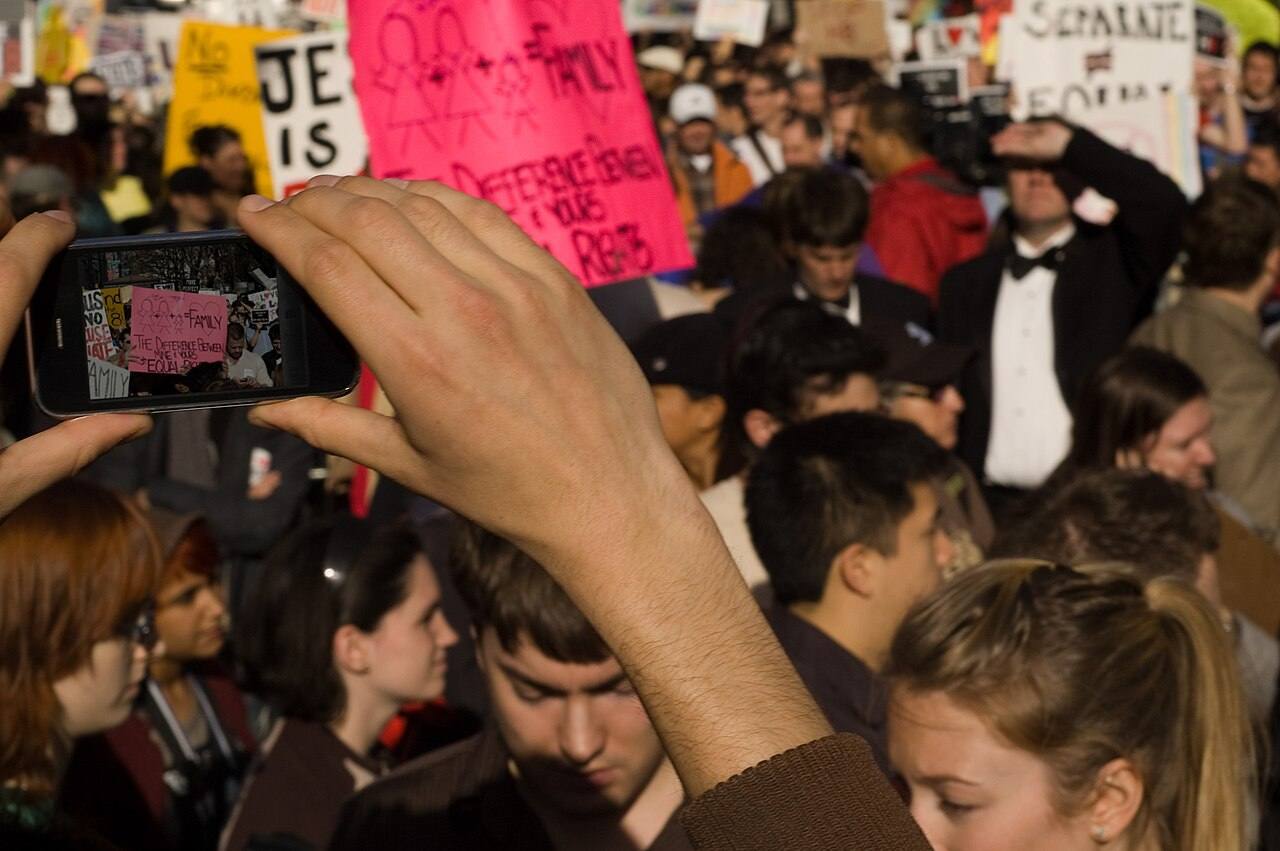
As we wade through the noise of the 2016 political landscape, it is evident that certainty is selling briskly. Candidates on both sides of the aisle - each with their unique brand of rhetoric - are harnessing the power of definitive statements to garner support. The appeal of certainty is not merely a political tactic; it taps into a deep-seated human desire for clarity in a world that often feels chaotic and confusing.

For those on the left, the temptation to present a unified front is palpable. In an attempt to promote progressive ideals, some politicians have resorted to oversimplifying complex issues. This has led to a narrative that often leaves out nuance in favor of a more digestible, yet misleading, message. The intention may be noble, aiming to rally support for equality and social justice, but the method risks alienating individuals who value a more reasoned approach to policy discussions.

On the right, the embrace of certainty takes on a different flavor. Candidates have been quick to adopt a combative stance, framing their positions in stark, black-and-white terms. This rhetoric, often laden with aggressive language, appeals to those feeling disenfranchised. The promise of immediate, sweeping change resonates deeply with voters who feel their concerns are being ignored. However, this approach frequently glosses over the complexities that underpin the very issues they seek to address.
The Dangers of Oversimplification
In both cases, the tendency toward certainty comes at a cost. Oversimplification can lead to dangerous misconceptions about the realities of governance. It disregards the messy, often uncomfortable discussions necessary for meaningful progress. When politicians distill intricate issues into slogans or sound bites, they risk fostering an environment where thoughtful debate is replaced by dogma.
"Certainty is a comforting illusion that can easily devolve into manipulation."
This manipulation is not just a feature of political discourse; it permeates media coverage as well. News outlets, caught in the frenzy to capture attention and drive ratings, may inadvertently contribute to this cycle of oversimplification. Headlines often prioritize sensationalism over substance, creating a feedback loop that rewards certainty while punishing complexity.

What Happens to Honesty?
As certainty gains traction, the core value of honesty in rhetoric seems to be at risk of being overshadowed. Honest discourse requires a willingness to grapple with ambiguity, to acknowledge that many issues cannot be boiled down to a singular truth. Yet, in the current climate, honesty has become a casualty of the battle for public opinion.
When politicians and media outlets prioritize certainty over truth, they create an environment ripe for misinformation. The spread of falsehoods, whether intentional or not, can lead to a misinformed electorate. This is particularly troubling, as voters rely on accurate information to make decisions that will impact their lives and their communities.
Finding a Middle Ground
So, how do we reclaim honesty in rhetoric amidst the clamor for certainty? It begins with a commitment from both politicians and media to embrace the complexities of the issues at hand. This means resisting the urge to oversimplify and instead fostering discussions that allow for multiple perspectives. It involves recognizing that certainty may feel good, but it is not a substitute for truth.
Public figures must be encouraged to speak candidly, even when the truth is uncomfortable. Voters, too, must demand more from their leaders and the media. A thoughtful electorate is the antidote to the allure of certainty. By engaging in critical thinking and seeking out diverse viewpoints, citizens can push back against the oversimplification that has become all too common.
A Call for Responsible Rhetoric
Ultimately, the responsibility for fostering a culture of honest discourse lies with all of us. As we navigate the murky waters of political rhetoric, we must remain vigilant against the seductive pull of certainty. The pursuit of truth may require us to embrace discomfort and complexity, but it is a pursuit worth undertaking. In doing so, we can create a political landscape that values integrity and fosters genuine dialogue.
✦ ✦ ✦