From the file. Written for the paper dated February 2016. Opened in the public stacks July 14, 2026.
In a week marked by the release of a new public trust survey, the results paint a troubling picture of Americans’ faith in their institutions. Both sides of the political spectrum reveal a curious pattern of selective memory, as they cling to narratives that bolster their own ideologies while disregarding inconvenient truths.
The Survey's Findings
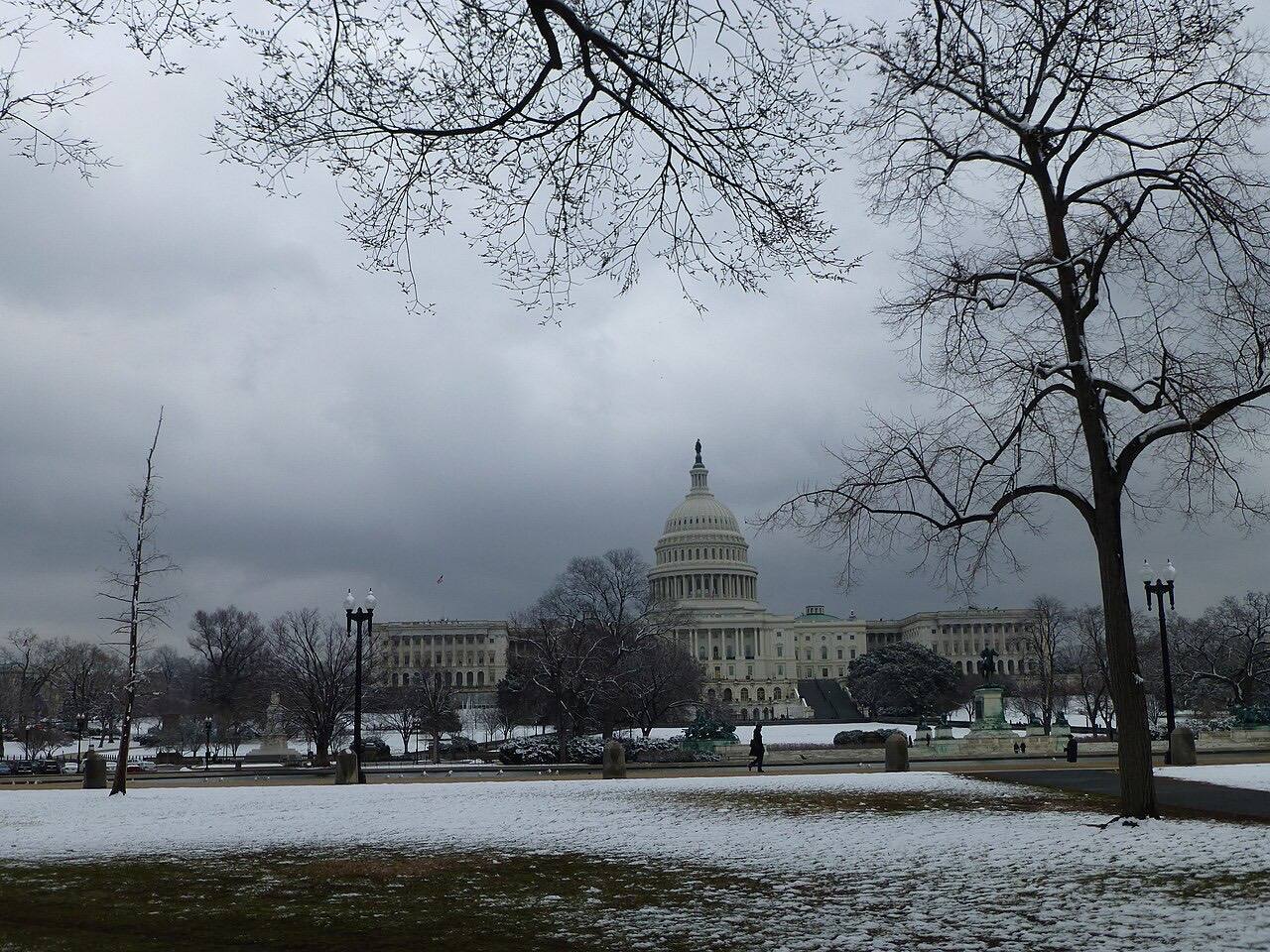
The latest public trust survey has stirred conversations across the nation, highlighting a significant decline in trust toward various institutions, including the government, media, and even the scientific community. While the numbers speak volumes, the reactions from both left and right reveal a deeper malaise characterized by a selective recollection of events that suit their political agendas.
Left's Selective Memory
On the left, the response to the survey has been one of indignation, often pointing fingers at the "obstructionist" tactics of the Republican Party as a primary reason for governmental dysfunction. There is, however, a notable omission in this narrative - the role that the Obama administration and its policies have played in shaping public perception. Issues such as the handling of healthcare reform and the debate over immigration have sparked criticism from both sides, yet many on the left seem to gloss over these challenges as they emphasize the achievements of the past seven years.

"The left often forgets the complexities and compromises that come with governance."
This selective memory can be perilous. By ignoring the nuances of the political landscape, the left risks alienating moderate voters who feel their concerns are not being adequately addressed. Furthermore, this tendency to vilify the opposition may lead to a dangerous polarization, where dialogue and compromise become casualties in a battle for ideological supremacy.
The Right's Reaction
Conversely, the right's interpretation of the survey results has been steeped in skepticism toward virtually all forms of authority. While it is valid to question the motivations behind governmental and media actions, the right often overlooks the significant achievements that have occurred under current leadership. Instead, there is a tendency to focus on perceived failures, such as the handling of foreign policy and domestic issues, while painting a picture that ignores the broader context of progress.
"When the right dismisses all institutions as corrupt, it undermines the very fabric of democracy."
This narrative can be equally damaging. By fostering an environment of distrust, the right risks creating a populace that is disengaged and cynical, viewing every action from institutions as manipulative and self-serving. The result is a fragmentation of society, where cooperation and collective problem-solving are sacrificed on the altar of partisan politics.
The Consequences of Selective Memory
The implications of this bipartisan habit of selective memory are profound. As trust in institutions wanes, the foundation of democracy itself is put at risk. Citizens become less likely to engage with their government, less likely to vote, and more likely to succumb to conspiracy theories that explain away complex realities with simple narratives.
Moreover, when citizens no longer trust the institutions designed to represent them, the potential for radicalism increases. This erosion of trust can lead to increased support for extremist viewpoints, as individuals seek out alternative sources of information that confirm their biases. The result is a dangerous cycle that perpetuates division and conflict.
Moving Forward
To address these challenges, it is imperative that both sides of the political spectrum commit to a more honest and nuanced dialogue about the state of public trust. Acknowledging the complexities of governance and the shared responsibility for the current landscape is essential. Instead of pointing fingers, both sides must seek common ground and engage in productive discussions that prioritize the needs of the American people over political gain.
The survey results are a wake-up call - a reminder that trust is not a luxury but a necessity for a functioning democracy. It is time for both the left and right to step back from their selective memories and engage in the hard work of rebuilding trust through transparency, accountability, and a commitment to the truth.
✦ ✦ ✦