From the file. Written for the paper dated February 2016. Opened in the public stacks July 14, 2026.
As President Obama continues to wield the power of the executive order, the political landscape reveals a troubling pattern of selective memory among both parties. This week, we take a closer look at the implications of executive actions on governance and the stark hypocrisy that permeates the discourse.
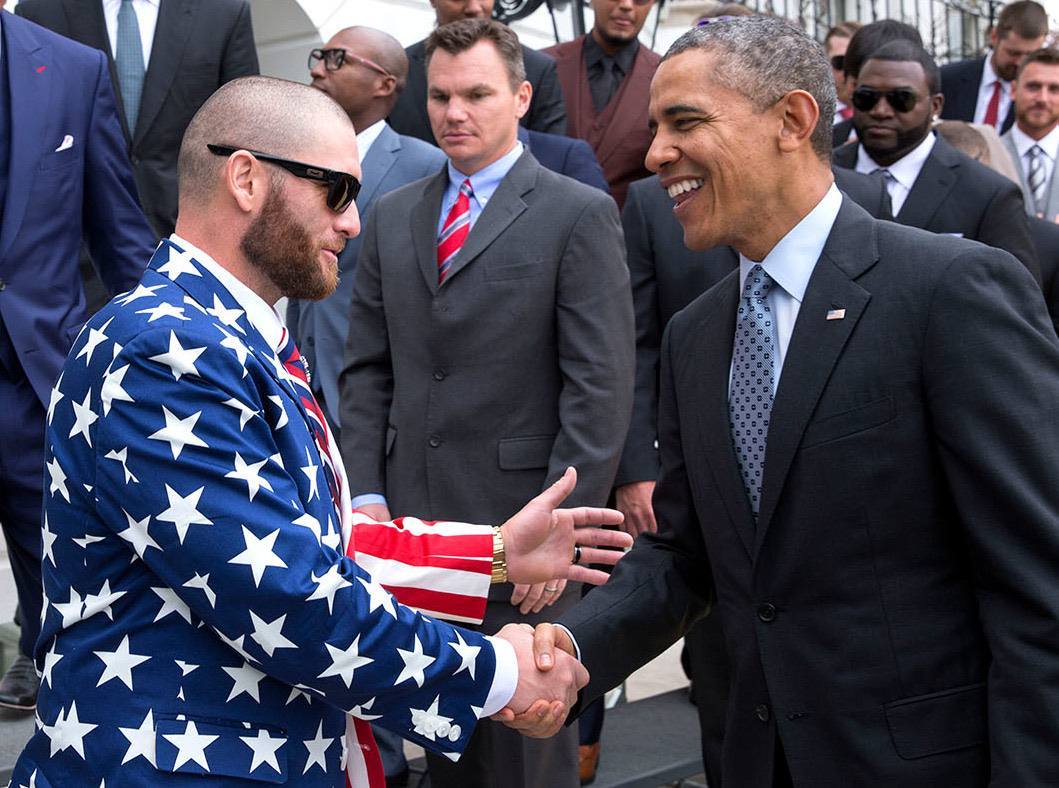
The Power of the Pen
The use of executive orders is not new to the American political scene; however, the frequency and significance of their application have surged in recent years. With Congress often paralyzed by partisan bickering, presidents have increasingly turned to this tool to achieve their objectives. Yet, as we observe the current administration's use of executive orders, it is essential to consider how both sides of the aisle have previously engaged with this power, often with strikingly different narratives.
Selective Memory on the Left
On the left, there is a growing tendency to herald Barack Obama as a champion of progressive causes, particularly in his use of executive actions. From immigration reforms to environmental regulations, his supporters laud these measures as necessary steps to address pressing issues. However, some of these same advocates conveniently forget the outcry against similar tactics when wielded by President George W. Bush. The left's rush to embrace Obama's orders reflects a troubling amnesia regarding the dangers of overreach inherent in executive actions, especially when the political winds shift.
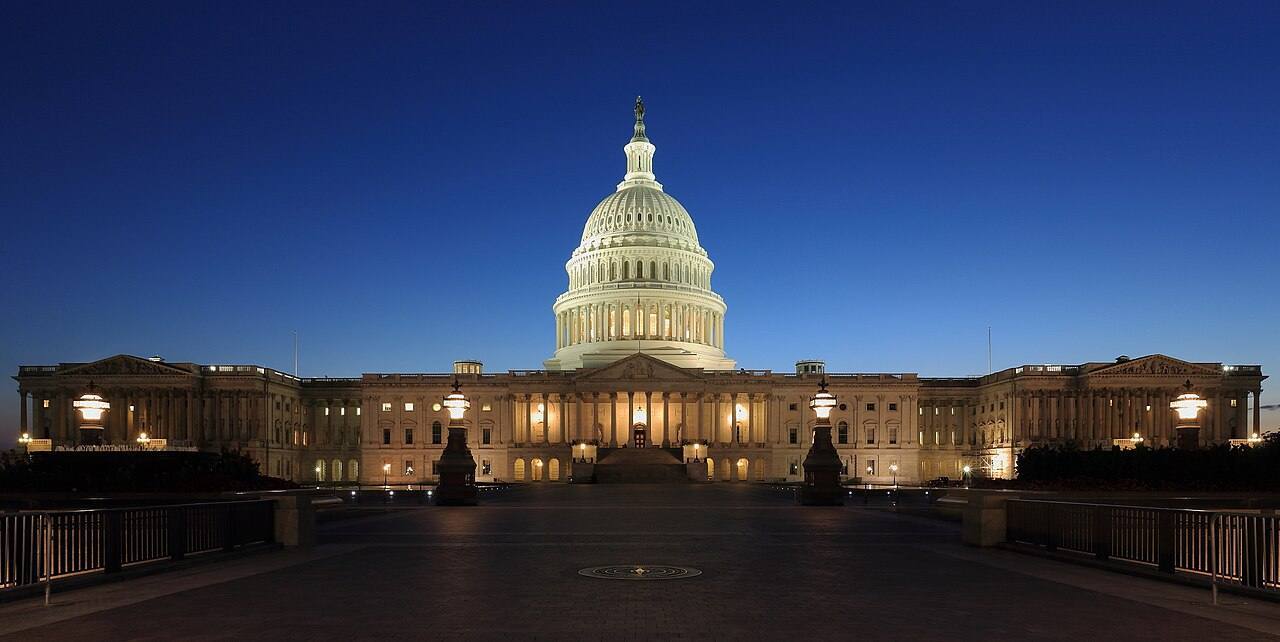
A Hypocritical Right
Conversely, the right has adopted a posture of vehement opposition to executive orders, claiming they undermine the constitutional balance of power. Yet, this fervor is often laced with hypocrisy. When Bush expanded executive power through actions like the Patriot Act, many conservatives cheered. Now, faced with an Obama presidency, the same voices decry the very methods they once supported. This inconsistency raises questions about the genuine motivations behind their outrage. Are they truly committed to preserving the Constitution, or is their opposition merely a reflection of party loyalty?
“The alarming trend of selective memory in politics threatens the very foundations of our democracy.”
The Consequences of Executive Overreach
The implications of this bipartisan selective memory are profound. When executive orders become a substitute for legislative action, they erode the democratic process. Policies enacted through executive power can be swiftly reversed by subsequent administrations, leading to instability and uncertainty. For citizens, this means that critical issues - like healthcare reform, environmental policy, and immigration - are subject to the whims of the sitting president rather than settled through robust debate and consensus.
The Need for a Balanced Approach
As we navigate this complex landscape, it is crucial for both parties to recognize the importance of restraint. The American public deserves a government that deliberates and compromises rather than one that resorts to unilateral action. We must challenge our leaders to seek bipartisan solutions that reflect the will of the people, rather than relying on executive orders that can undermine the very principles of democracy we hold dear.
Looking Forward
The upcoming election season presents an opportunity for voters to reflect on these issues. Candidates must be held accountable for their positions on executive power and their past actions regarding its use. The American electorate should demand transparency and consistency, favoring leaders who prioritize the rule of law over political expediency.
Conclusion
As we continue to ponder the implications of executive orders, it is vital to recognize the dangers of selective memory that both the left and right exhibit. A healthy democracy relies on an informed citizenry that understands the importance of checks and balances and the need for accountability in government. Only by confronting these excesses can we hope to foster a political environment that respects our democratic principles and serves the interests of all Americans.
✦ ✦ ✦