From the file. Written for the paper dated January 2016. Opened in the public stacks July 14, 2026.
In an age of constant information exchange and growing reliance on experts, it is imperative to scrutinize the narratives they build. The rhetoric of certainty often overshadows the complexities of reality, leading to a quiet failure of oversight that affects policy, public perception, and ultimately governance.

The Authority of Expertise
Experts are often hailed as the custodians of knowledge, yet their proclamations can sometimes lead the public astray. Whether in the realms of economics, climate science, or public health, the tendency to overclaim risks undermining the very credibility that these authorities strive to maintain. This is not merely an issue of misplaced trust; it is a systemic problem that blurs the lines between informed guidance and unfounded assurance.

Consider the recent debates surrounding climate change. While it is crucial to heed the warnings of climate scientists, the absolutism with which some experts forecast impending doom can provoke skepticism among the very audiences they aim to inform. Such extreme narratives can alienate moderate voices who fear that the solutions proposed, often radical and sweeping, may be as detrimental as the problem itself. When experts declare that the planet is on the brink of catastrophe without acknowledging the complexities involved, they risk inciting fear rather than fostering constructive dialogue.

Economic Predictions and Public Policy
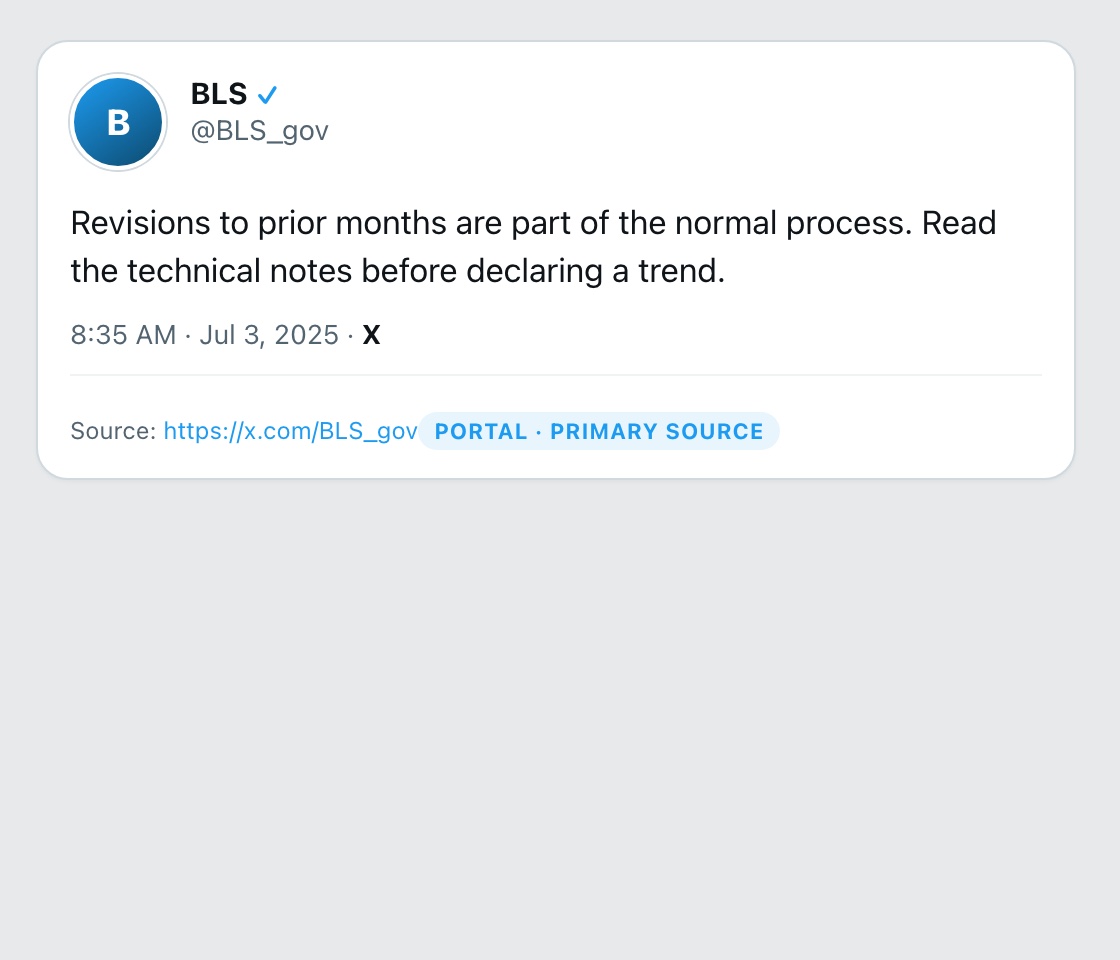
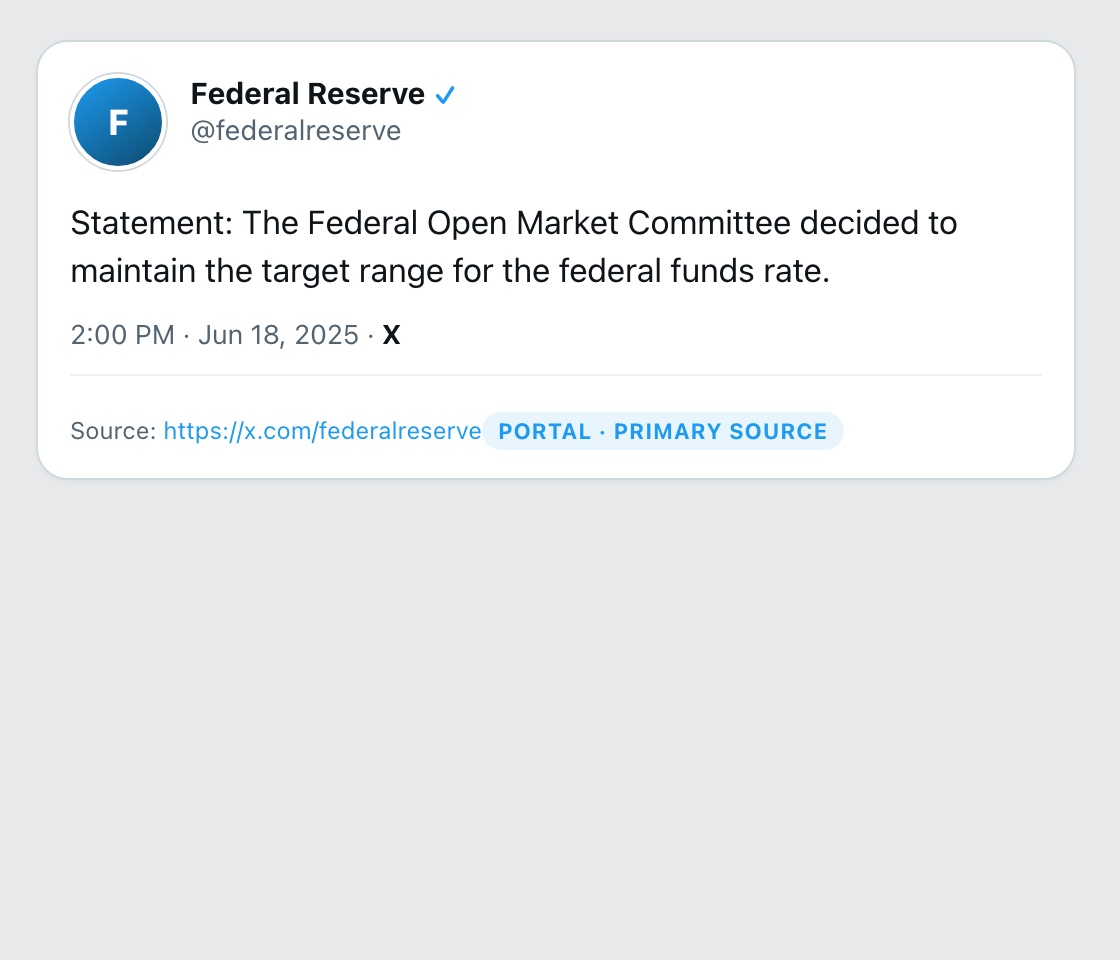
The same can be said for economic forecasts. Economists wield their models like crystal balls, yet they often fail to account for the unpredictable nature of human behavior and market dynamics. When experts proclaim that a recession is imminent or that a recovery is guaranteed based on their latest models, they create a narrative that can lead to panic or complacency. This oversimplification can have real-world consequences, influencing everything from consumer spending to government policy.
“When experts declare that the planet is on the brink of catastrophe without acknowledging the complexities involved, they risk inciting fear rather than fostering constructive dialogue.”
The Role of Media in Facilitating Oversight Failures
Moreover, the media plays a significant role in amplifying these overclaims. In the quest for sensational stories, outlets often prioritize attention-grabbing headlines over nuanced reporting. This tendency to oversimplify complex issues can lead to a public that is misinformed and polarized. When sensational claims go unchallenged, the public discourse is diminished, and the potential for meaningful engagement is lost.
On the left, there is a pronounced tendency to embrace narratives that support progressive policies, often presenting expert opinions as unequivocal truth. This can lead to a dismissal of valuable counterarguments that might offer a more balanced understanding of an issue. For instance, the left's approach to healthcare reform has sometimes been characterized by an unwavering belief in the efficacy of government solutions without sufficient dialogue about their potential pitfalls.
On the right, we see a parallel, albeit with a different set of priorities. The skepticism towards expert opinion is often rooted in a desire to champion individual liberty and market solutions. However, this skepticism can devolve into a dangerous disregard for empirical evidence, which is essential for informed decision-making. The rejection of expert advice in favor of populist sentiments can lead to policies that are not only ill-advised but detrimental to the very constituents these leaders claim to represent.
Bridging the Gap
So, how do we bridge the gap between expert knowledge and public understanding? First, it is essential that experts themselves embrace a more humble approach to their pronouncements. Acknowledging the limitations of their predictions and the uncertainty inherent in their fields can foster a more constructive dialogue. Experts must strive to communicate their findings in a way that invites questions and exploration rather than dismissal and fear.
Second, media outlets must commit to responsible reporting that prioritizes accuracy over sensationalism. Journalists should seek to provide context and balance, highlighting multiple viewpoints rather than amplifying extreme narratives. This can help cultivate a more informed public that is capable of engaging in thoughtful discourse.
Lastly, the public must cultivate its own critical thinking skills. Rather than accepting expert claims at face value, individuals should seek to understand the broader context and underlying complexities of the issues at hand. By promoting a culture of inquiry rather than blind acceptance, we can mitigate the risks associated with expert overclaims.
✦ ✦ ✦