From the file. Written for the paper dated January 2016. Opened in the public stacks July 14, 2026.
In an era where performance metrics dominate the conversation, the subtle art of process has been overshadowed, raising questions about the efficacy of our oversight mechanisms.

The Illusion of Progress
It is a curious thing to witness how the fixation on performance has morphed into a standard that often obscures the true nature of achievement. In recent years, politicians, corporations, and even nonprofit organizations have trumpeted their results, often relying on flashy statistics and success stories that shine brightly but lack depth. This performance-oriented mindset has led to a troubling neglect of the processes that undergird these outcomes.
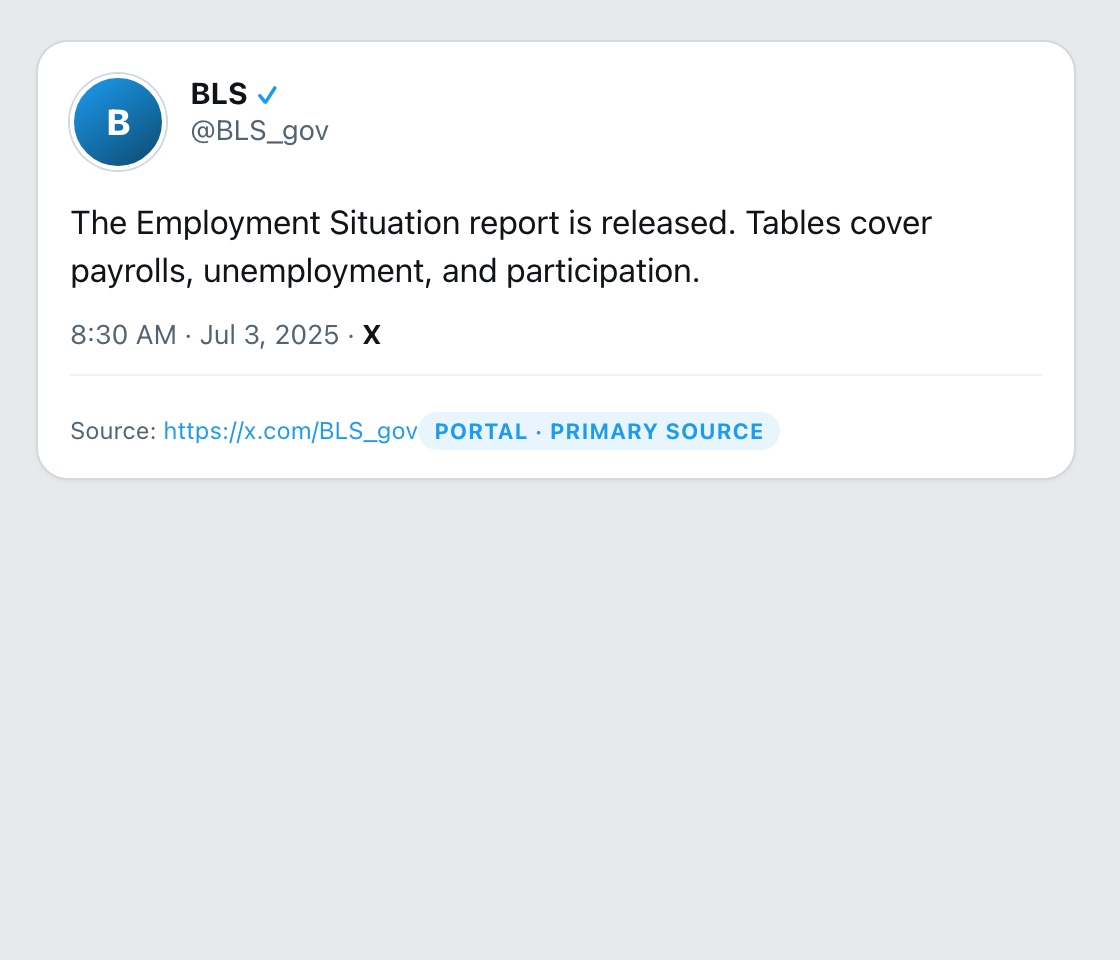
On the left, advocates for social change frequently tout the success of various programs aimed at reducing poverty or improving education. Yet, the obsession with quantifiable results has created a dangerous culture of superficiality. While the numbers may suggest progress, a closer examination reveals a lack of substantive change in the underlying issues. Oversight mechanisms designed to ensure accountability often fall short, as they are too focused on endpoints rather than the means by which we arrive at them.

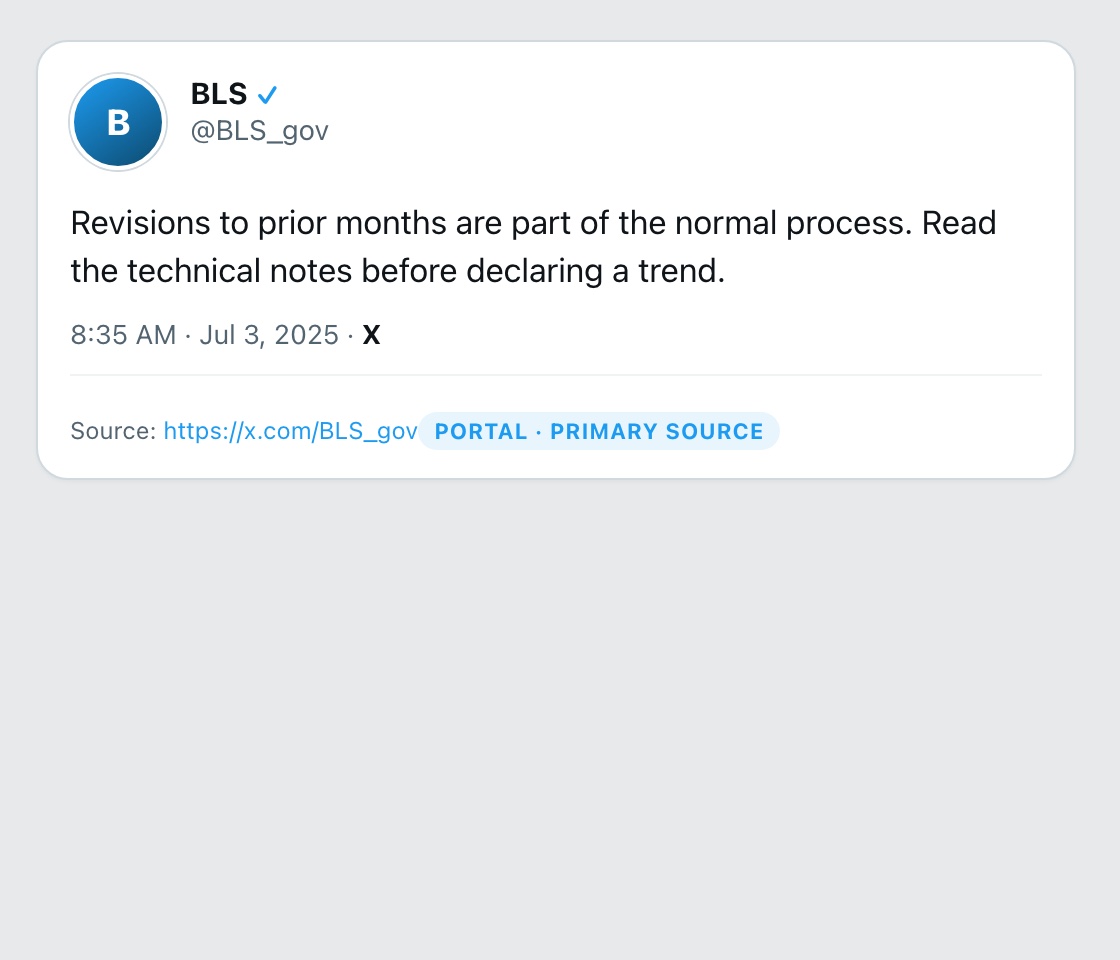
Conversely, the right has long championed the idea that deregulation and reduced oversight will lead to greater innovation and efficiency. This ideology, however, has often resulted in a laissez-faire approach that neglects the importance of sound processes. The financial crisis of 2008 serves as a stark reminder of what happens when oversight is sacrificed at the altar of performance. The short-term gains celebrated by Wall Street masked the underlying fragility of the financial system, a failure of process that had catastrophic consequences.
The Oversight Dilemma
Both sides of the political spectrum share a common flaw: the tendency to prioritize results over the methods used to achieve them. This failure to appreciate the importance of process leads to a dangerous cycle of accountability that is more about optics than substance. Politicians seek to tout their achievements, while organizations race to show tangible outcomes, but the mechanisms of oversight often remain underfunded and understaffed.
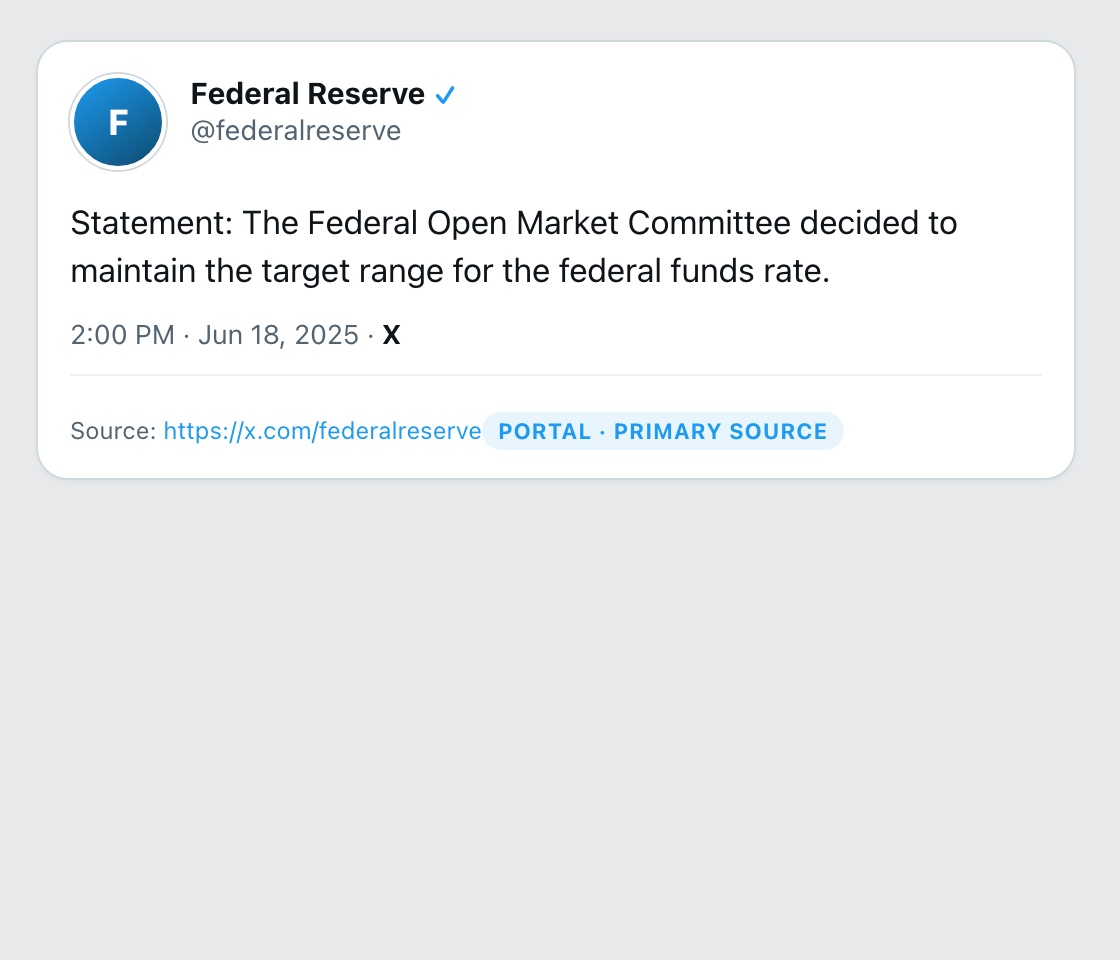
Consider recent legislation aimed at improving education. While it is commendable to set ambitious goals for student achievement, the processes of teaching and learning require careful consideration and a commitment to continuous improvement. The rush to implement educational reforms often leads to hasty decisions that disregard the nuances of pedagogy. As a result, we might witness improved test scores while the quality of education for many students remains stagnant.
"In an age obsessed with metrics, we risk losing sight of the processes that create real change."
This oversight dilemma extends beyond education. In the realm of healthcare, the Affordable Care Act aimed to expand coverage and reduce costs. While the intentions were noble, the execution revealed systemic flaws that stemmed from a lack of rigorous process evaluation. The focus on expanding access led to an explosion of new enrollees without adequately addressing the capacity of the healthcare system to provide quality care. The result? A system burdened by inefficiencies and disparities that could have been mitigated with a more process-oriented approach.
Reimagining Oversight
To break free from this cycle, we must reimagine how we approach oversight. It is essential to shift the conversation from performance metrics to the processes that support sustainable outcomes. This means investing in the infrastructure that allows for thorough evaluation and accountability at every stage of implementation.
On the left, this could involve demanding that social programs prioritize not just results but also the methodologies used to achieve them. Advocacy for transparency in the processes behind policy initiatives can empower citizens to hold their leaders accountable. For those on the right, it may mean acknowledging that a certain level of oversight is necessary to ensure that the free market operates fairly and effectively.
As we move forward into 2016, let us advocate for a more balanced approach that values process as much as performance. This is not merely a call for more regulations or oversight but a plea for a deeper understanding of what it means to create lasting change. In an age obsessed with metrics, we risk losing sight of the processes that create real change. It is time to shift our focus and ensure that oversight is not just an afterthought but an integral part of our pursuit of progress.
✦ ✦ ✦