From the file. Written for the paper dated January 2016. Opened in the public stacks July 14, 2026.
In the wake of the recent executive order, a closer examination reveals a concerning trend of oversight that both political parties seem eager to overlook. While the left champions the order as a progressive step forward, and the right decries it as an overreach of power, the truth lies in the nuances lost amidst the partisan frenzy.
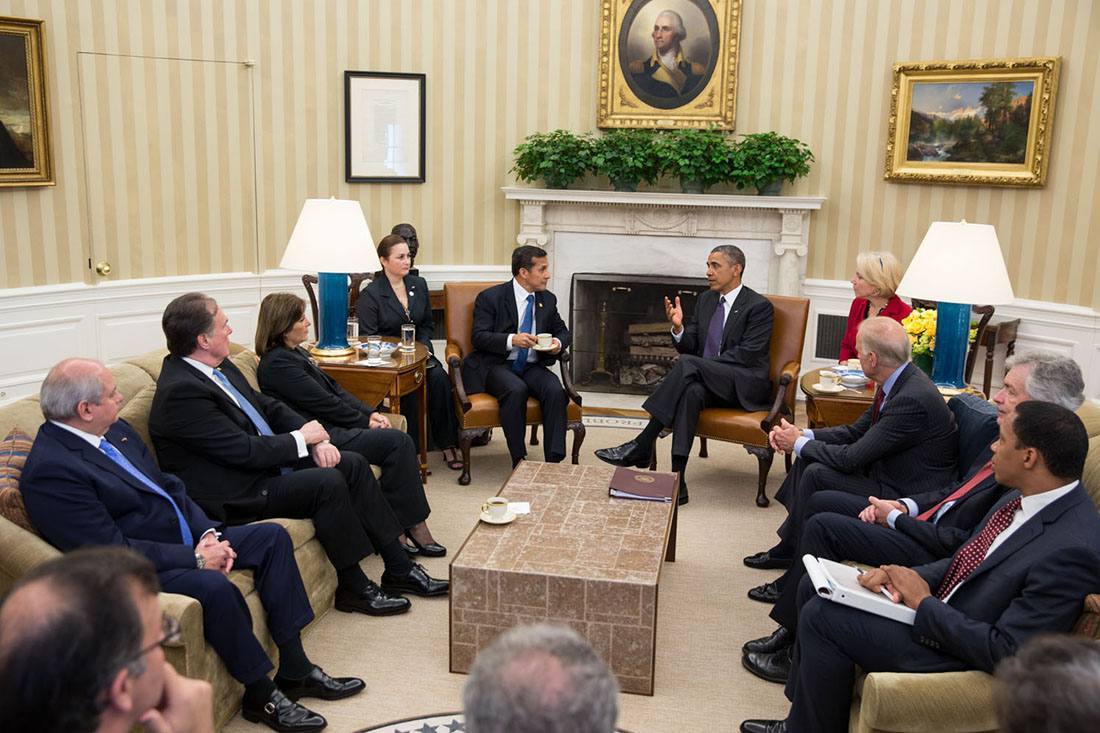
The Executive Order in Question
On January 1, 2016, the President signed an executive order aimed at addressing a pressing national issue. The details of the order are complex and multifaceted, targeting areas such as immigration reform and environmental regulations, which have long been points of contention in American politics. However, the implications of such unilateral action deserve careful scrutiny.
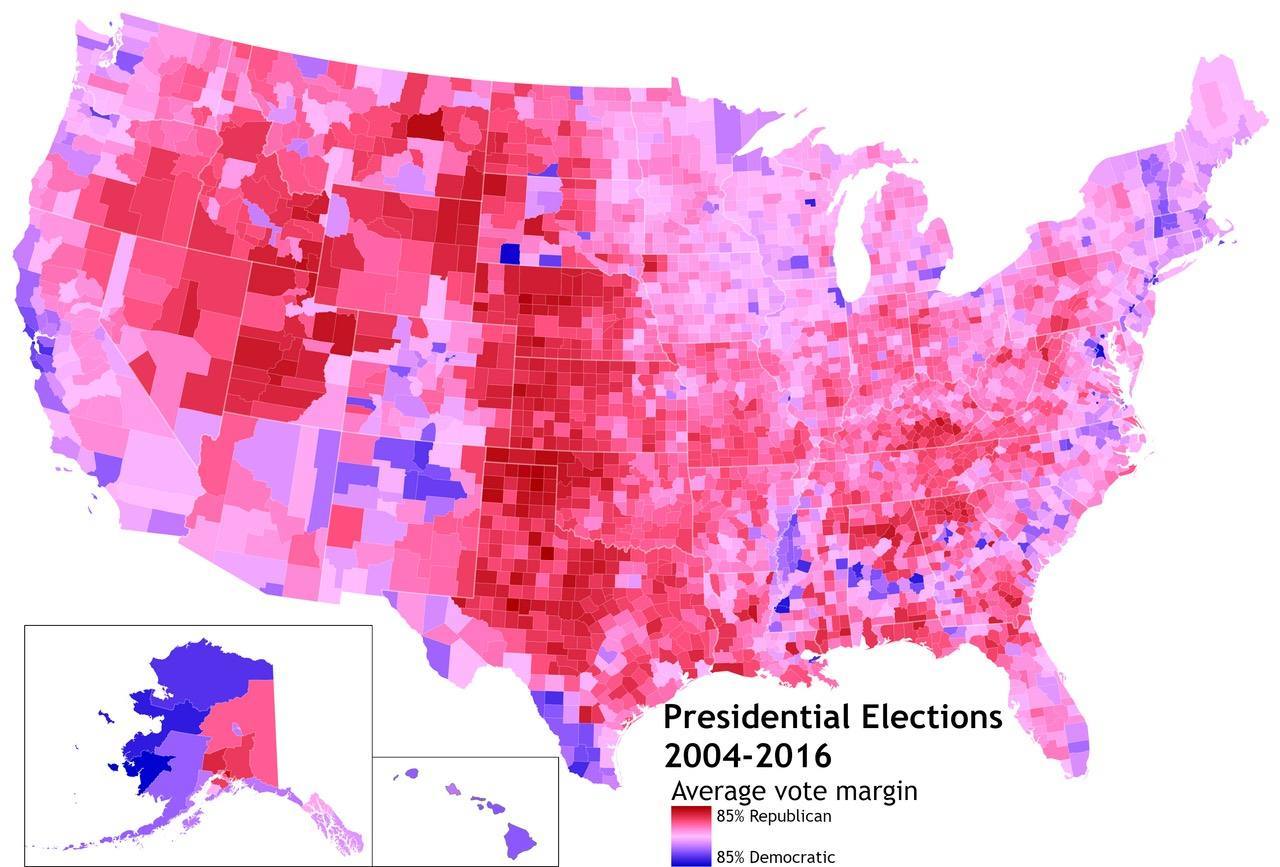
Partisan Responses
The immediate reactions from both sides of the aisle demonstrate a troubling trend: rather than engage in meaningful debate about the merits and potential pitfalls of the executive order, politicians have resorted to soundbites and slogans. The left hails it as a necessary move to protect vulnerable populations and the environment, while the right condemns it as a blatant violation of constitutional limits on executive power.
“In the rush to declare victory or defeat, we risk ignoring the deeper implications of unchecked executive power.”
The Oversight Issue
At the heart of this discussion is a failure of oversight that transcends partisan divides. When executive orders are issued without thorough legislative review, the risk of unintended consequences increases exponentially. Policies enacted in haste can lead to confusion, inequity, and even legal challenges that undermine their intended goals.
Moreover, this reliance on executive action can set a dangerous precedent for future administrations. What was once an emergency measure can easily become a standard operating procedure, further eroding the checks and balances that underpin our democratic system. The left, in its zeal to celebrate this executive order, fails to recognize the potential ramifications of normalizing such power. Simultaneously, the right’s insistence on obstruction without offering constructive alternatives contributes to the cycle of blame and inaction.
A Call for Bipartisan Dialogue
What is needed now more than ever is a return to bipartisan dialogue. Instead of framing the executive order as a battle to be won, lawmakers should view it as an opportunity to engage in meaningful policy discussions. This requires both sides to step away from their ideological corners and confront the complexities of governance in a nuanced manner.
For example, if the executive order concerns immigration reform, there are legitimate concerns on both sides about national security and humanitarian obligations. A collaborative approach to creating comprehensive legislation could address these issues more effectively than an isolated executive action.
Public Reaction and Media Coverage
Public reaction to the executive order has been mixed, shaped largely by media coverage that tends to amplify partisan perspectives. Many citizens are left confused by the conflicting narratives presented by pundits, leaving them uncertain about the true impact of the order on their lives. This media landscape, often driven by sensationalism, only exacerbates the disconnect between lawmakers and constituents.
Conclusion: Moving Forward
As we navigate the complexities of this executive order and its fallout, it is crucial for both sides to take a step back and reassess their strategies. The left must recognize the validity of concerns raised by the right about executive overreach, while the right should acknowledge the urgent need for action on pressing national issues. Only through genuine collaboration can we restore faith in our democratic institutions and ensure that governance serves the interests of all Americans.
✦ ✦ ✦