From the file. Written for the paper dated December 2015. Opened in the public stacks July 14, 2026.
As the year draws to a close, the ongoing debate surrounding steel tariffs has reached a fever pitch, revealing the excesses of both sides of the political aisle.
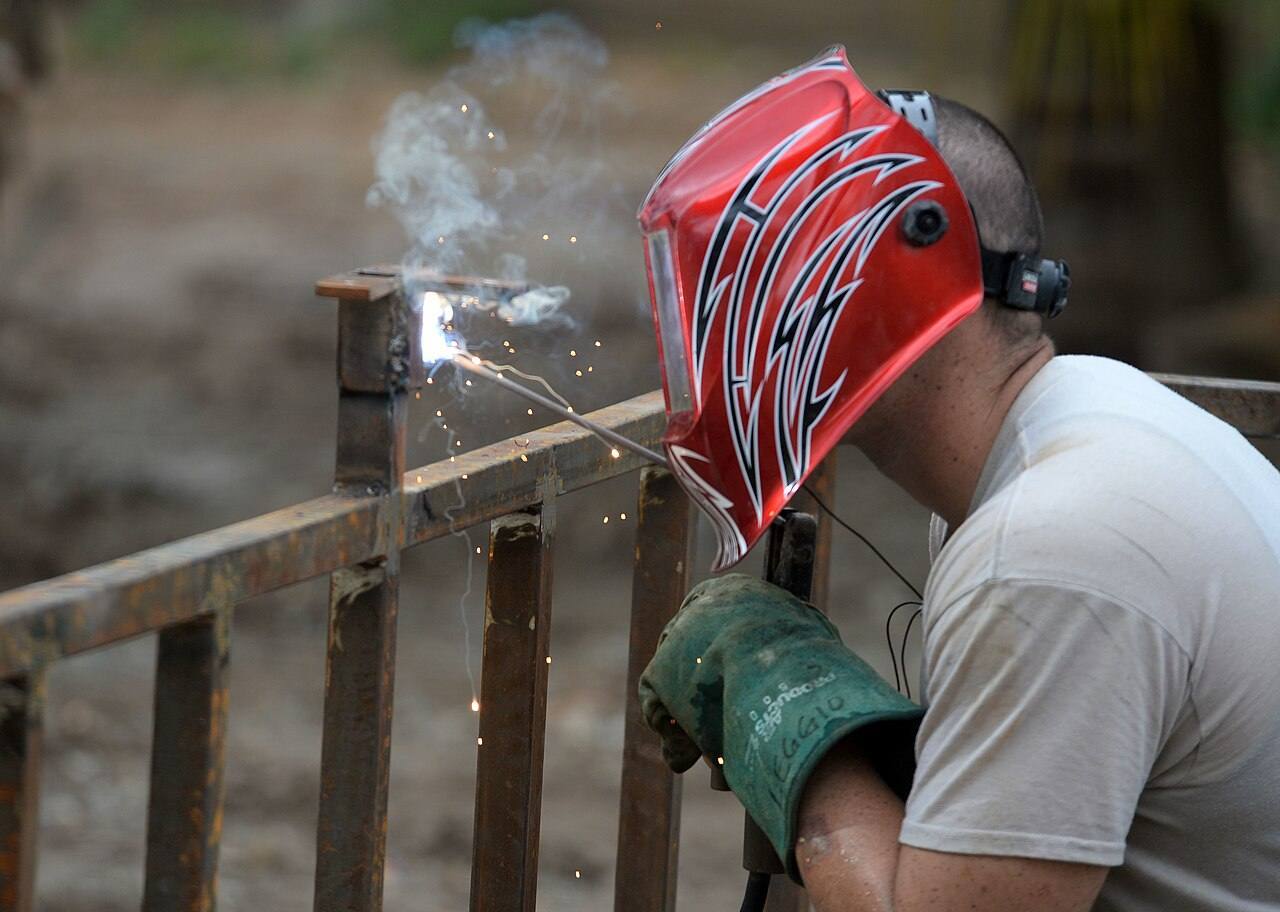
The Context of Steel Tariffs
Steel tariffs have long been a contentious issue in American trade policy, with proponents arguing that they protect domestic jobs and industries from the onslaught of foreign competition. On the other hand, critics claim that such tariffs lead to higher prices for consumers and retaliatory measures from trading partners.
In recent weeks, the conversation has intensified following the announcement of new tariffs aimed at imported steel. This move has sparked a wave of responses from various sectors, reflecting the complexities of the issue.

The Pro-Tariff Argument
Supporters of the tariffs, primarily from the Republican camp, argue that the move is necessary to safeguard American manufacturing jobs. They point to the challenges faced by the domestic steel industry, which has struggled to compete against lower-priced imports. This perspective resonates particularly in states with significant steel production, where politicians tout tariffs as a lifeline for working-class families.
"We need to protect our steel industry from unfair foreign competition,"
However, this viewpoint often overlooks the broader implications. While protecting jobs in the steel sector is a noble goal, the question remains: at what cost? Economists warn that such protectionist measures can lead to higher costs for consumers and stifle innovation in industries that rely on steel.
The Anti-Tariff Argument
On the opposite end, some Democrats and free-market advocates argue vehemently against the tariffs, asserting that they will harm the economy in the long run. They contend that raising the cost of steel will impact various sectors, including construction and automotive, which rely heavily on affordable steel. This argument is bolstered by data showing that higher tariffs could lead to job losses in these related industries, potentially negating any gains made in the steel sector.
"Tariffs will end up harming the very workers they are meant to protect,"
Such criticisms are worth considering, but they can sometimes come across as overly simplistic. The reality is that the steel industry has faced significant challenges, and a complete laissez-faire approach may not be the answer. The risk is that in their zeal to promote free trade, opponents of the tariffs may inadvertently overlook the plight of the workers in struggling industries.
The Middle Ground
As with many issues in today's polarized political climate, the truth likely lies somewhere in the middle. A balanced approach could involve targeted support for the steel industry while also seeking to minimize the negative impacts on other sectors. For instance, the government could explore measures to assist workers in transitioning to new jobs, while also ensuring that the costs of steel do not spiral out of control.
Moreover, there is a pressing need for a comprehensive strategy that addresses the root causes of the challenges facing the steel industry. This could include investing in new technologies and processes that enhance efficiency and competitiveness, rather than relying solely on tariffs as a shield against foreign competition.
The Way Forward
As the debate continues, policymakers must tread carefully. The implications of steel tariffs are far-reaching, affecting not just the steel industry but the economy as a whole. Engaging in constructive dialogue that considers the needs of all affected parties will be crucial in crafting a policy that is both fair and effective.
In conclusion, the steel tariffs debate serves as a microcosm of the broader challenges facing American trade policy today. It underscores the importance of finding a middle ground that recognizes the complexities of the situation rather than resorting to knee-jerk reactions that may do more harm than good. As we look ahead to 2016, it is essential for leaders to embrace a more nuanced approach to trade that prioritizes the welfare of all Americans.
✦ ✦ ✦