From the file. Written for the paper dated December 2015. Opened in the public stacks July 14, 2026.
As the dust settles from the latest round of redistricting across the United States, both sides of the political aisle are brimming with rhetoric, yet the reality of gerrymandering remains a contentious issue that deserves a more nuanced discussion.
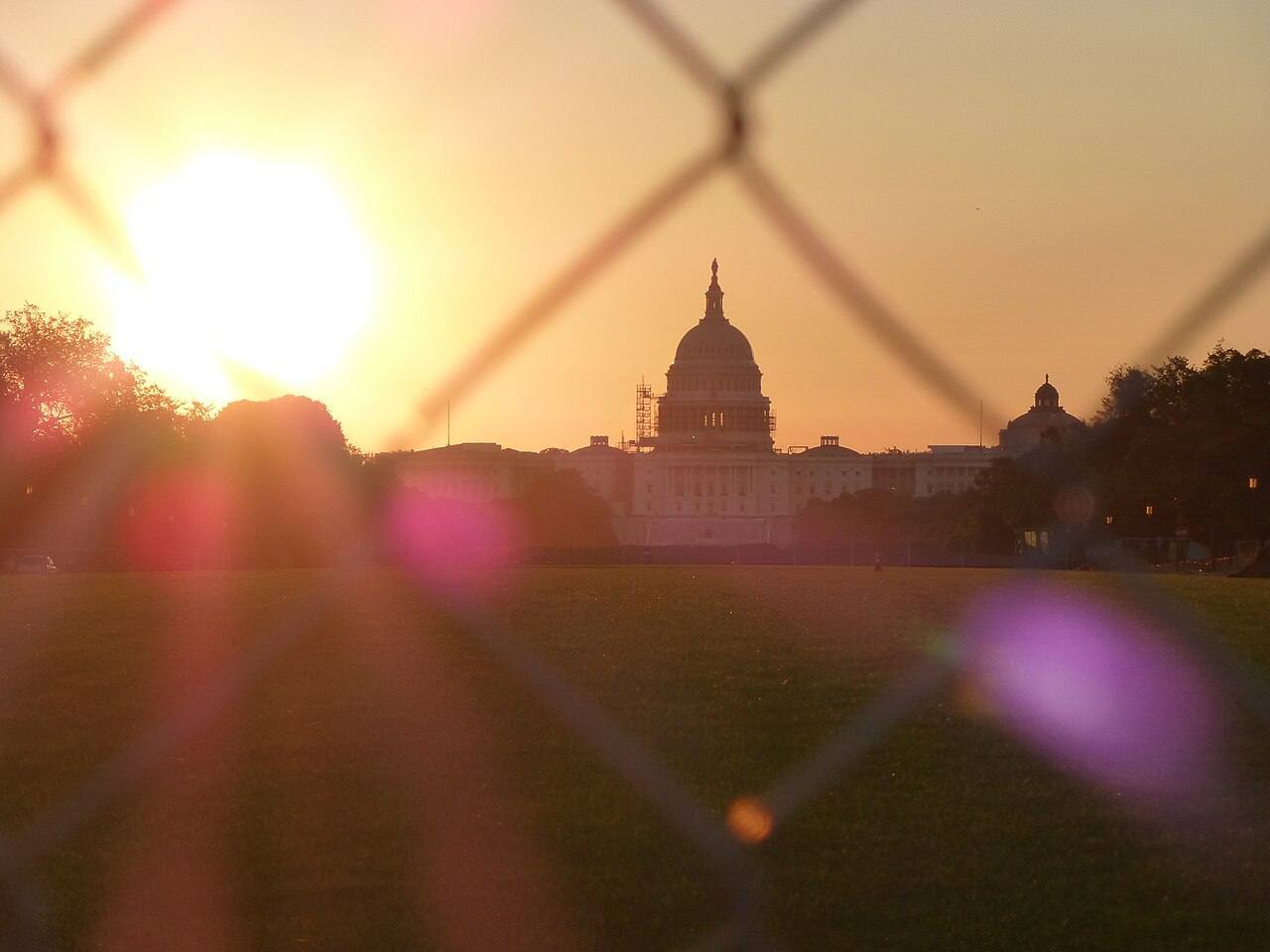
Political Maneuvering in Redistricting
Every decade, following the census, states dive into the complex and often contentious process of redistricting. This year is no exception, as Democrats and Republicans alike engage in what can only be described as a high-stakes game of chess. However, this round of redistricting has revealed not only the motives behind each party's actions but also the glaring excesses that distort the democratic process.
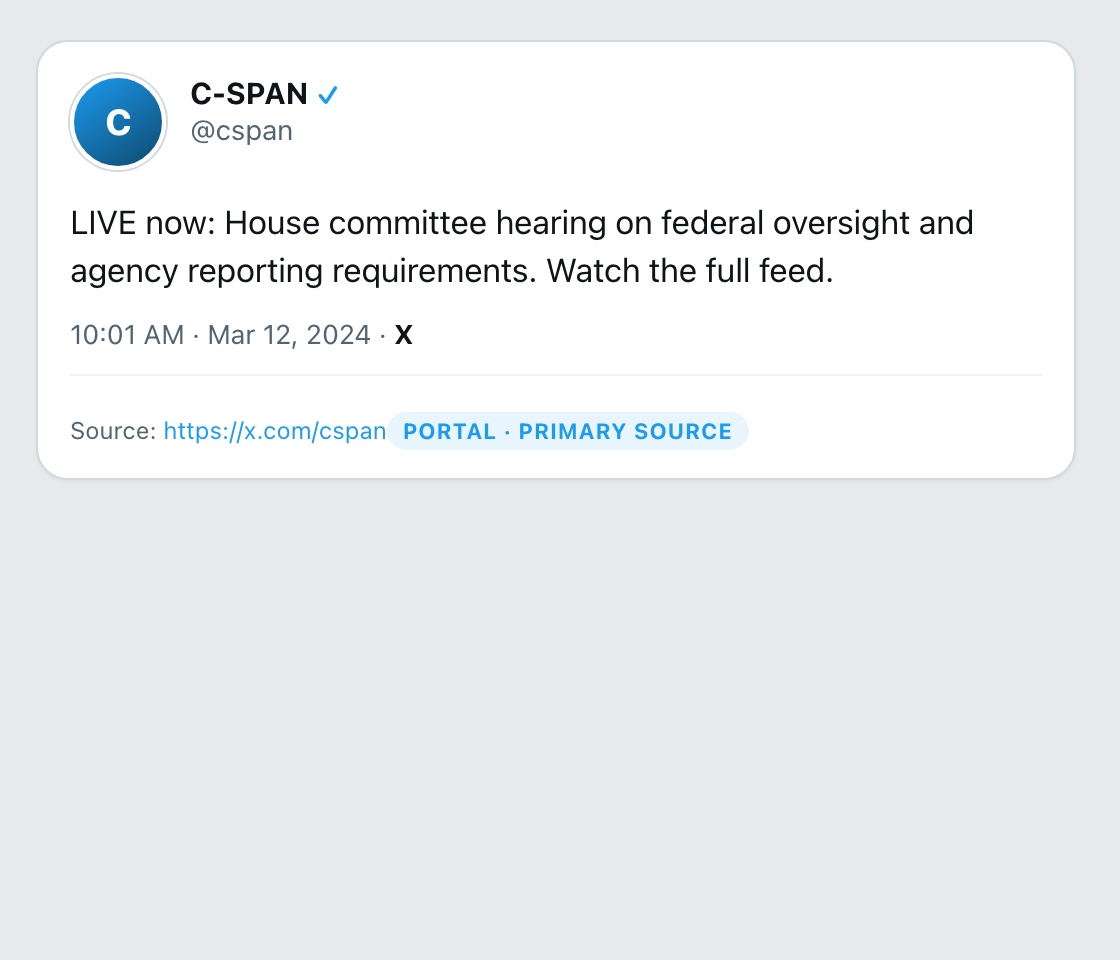
On one hand, there is a palpable sense of urgency among Democrats in states where they hold power. The aim is to solidify their gains in the wake of a changing electorate. The argument is straightforward: if they can draw district lines favorably, they can secure a majority for the next decade. But this strategy raises an important question: does this truly reflect the will of the people, or does it merely serve the interests of the party?

Conversely, Republicans, often accused of overreaching in their own gerrymandering efforts in the past, now find themselves in a defensive position in several battleground states. Their response has been to rally their base, framing the redistricting process as a fight for fair representation. Yet, their actions often betray this rhetoric, as they too engage in the same manipulative tactics they once criticized.

"It's the voters who should choose their representatives, not the other way around." - Anonymous
The irony is rich. Both parties espouse the virtues of democracy while simultaneously undermining it through partisan redistricting. The public’s frustration grows as citizens increasingly recognize that this process is less about representation and more about power consolidation. Efforts to reform redistricting practices, including calls for nonpartisan commissions, are gaining traction. However, the entrenched interests of both parties pose a significant barrier to meaningful change.
Excesses on Both Sides
In this political climate, the excesses of both sides are glaringly evident. On the left, some Democrats have gone to great lengths to ensure district lines favor their candidates, often disregarding community ties and historical borders. This approach can alienate voters who may feel their voices are being drowned out by party agendas.

On the right, the Republican narrative often paints a picture of victimhood, where they claim to be fighting against a system rigged by Democrats. This oversimplification not only undermines their credibility but also distracts from the very real issues of governance that require bipartisan attention.
As we reflect on the current state of redistricting, it is crucial to recognize that both parties need to be held accountable for their actions. The challenge lies in fostering a political environment that prioritizes fair representation over partisan gain.
The Path Forward
Moving forward, the solution may not lie solely in the hands of lawmakers. Voter engagement and advocacy for redistricting reform are critical. Citizens must demand transparency and fairness, pushing for independent oversight to ensure that district lines reflect actual communities rather than political convenience.
Furthermore, public awareness campaigns highlighting the implications of gerrymandering can galvanize voters. This is not merely a technical issue; it is about the very essence of democracy. When district lines are drawn in a way that disenfranchises voters, the democratic process is fundamentally undermined.
Ultimately, both Democrats and Republicans must remember that the integrity of the electoral process is far more crucial than any temporary political gain. By prioritizing the interests of the voters over party loyalty, there is hope for a more representative and equitable political landscape.
✦ ✦ ✦