From the file. Written for the paper dated December 2015. Opened in the public stacks July 14, 2026.
As the world grapples with the implications of the Ebola outbreak and the specter of other infectious diseases, the debate over pandemic readiness is reaching a fever pitch. Both sides of the political spectrum are making their voices heard, yet neither seems to be striking the right balance in addressing this crucial issue.

The Political Divide on Health Preparedness
On one end of the spectrum, we have the left, which often pushes for increased government spending on healthcare and extensive public health initiatives. Their arguments center around the need for robust systems to prevent outbreaks and effectively respond when they occur. Proponents advocate for more funding for the Centers for Disease Control and Prevention (CDC) and the National Institutes of Health (NIH), emphasizing that without a strong public health infrastructure, we leave ourselves vulnerable to future pandemics.
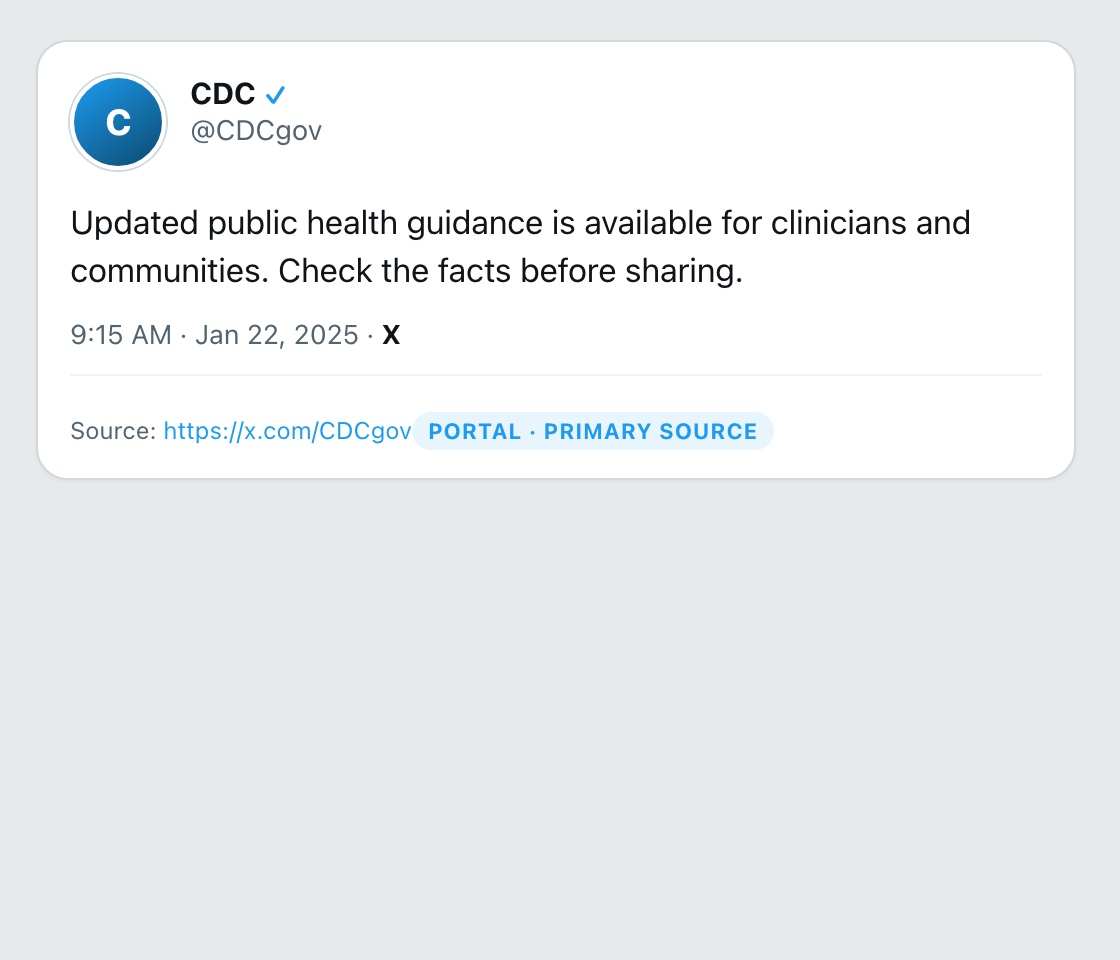
However, this approach often overlooks the importance of individual responsibility and the role of private sector innovation in healthcare. The left's tendency to call for sweeping regulations can stifle the very creativity that has led to significant medical advancements. While advocating for greater public health measures is critical, the call for expanded government intervention can sometimes lead to inefficiencies and misallocation of resources.

The Right’s Reaction: Fear and Fiscal Responsibility
On the other side, the right often frames the pandemic readiness discussion through a lens of fiscal conservatism and individual freedoms. There is a palpable fear of overreach when it comes to government involvement in healthcare. Many conservatives argue that the private sector is better equipped to handle health crises, citing the rapid development of vaccines and treatments as evidence of market efficiency.
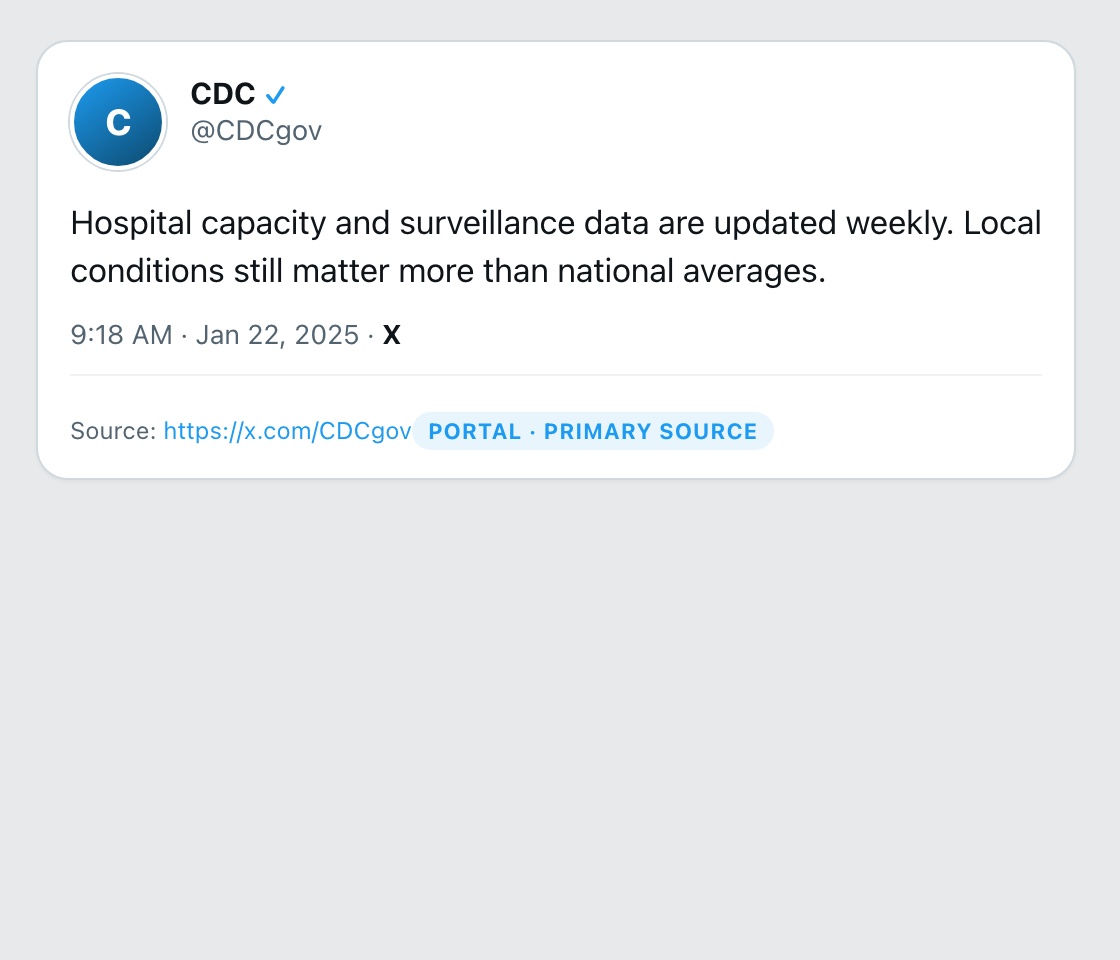
Yet, this stance can lead to a dangerous underestimation of the public health system's role. The narrative that minimizes government involvement can inadvertently create an environment where preparedness is sacrificed for short-term economic gains. By neglecting the importance of a coordinated public health response, the right risks leaving the nation unprepared for the next outbreak.
"A balanced approach is essential for true pandemic readiness."
The Need for a Middle Ground
In the face of these extremes, it becomes evident that a middle ground is essential for effective pandemic readiness. This involves recognizing the importance of both government action and private sector innovation. Public health initiatives must be adequately funded and supported while also encouraging private entities to develop new technologies and solutions.
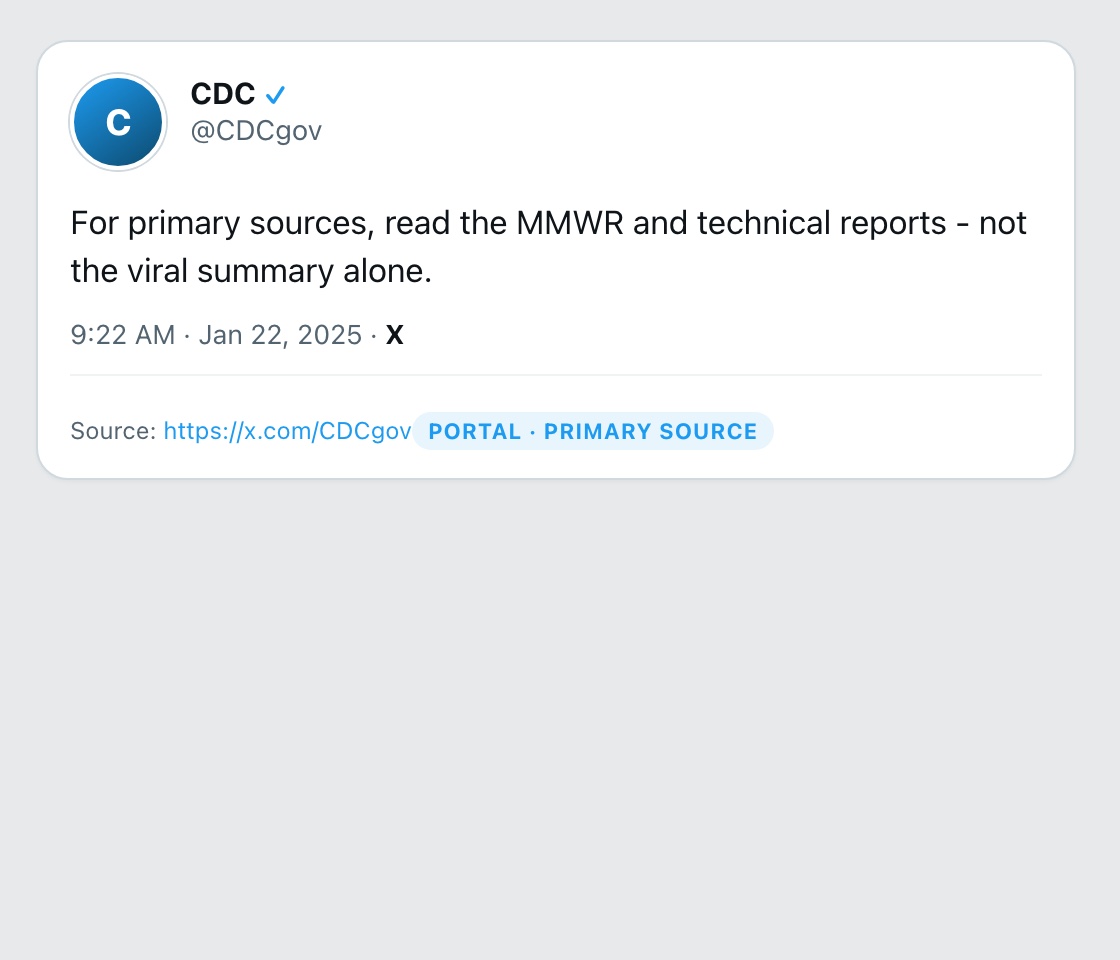
For instance, the recent Ebola outbreak has highlighted the need for rapid response capabilities. It is not enough to merely invest in healthcare infrastructure; there must also be a framework for collaboration between public health agencies and private companies. This synergy can lead to quicker responses and more effective solutions when crises arise.
Public Engagement and Education
Moreover, public engagement and education are critical components of any pandemic preparedness plan. Citizens must be informed about the risks of infectious diseases and the importance of vaccinations and preventive measures. Both sides of the political spectrum have a role to play in this educational effort.
The left can focus on disseminating accurate information and emphasizing the collective responsibility of society to protect vulnerable populations. Meanwhile, the right can engage in discussions about personal responsibility and the importance of individual choices in contributing to public health.
Conclusion: Bridging the Gap
As we move forward, it is crucial for both sides to recognize that the stakes are too high for partisan bickering. The threat of pandemics looms larger than ever, and a united front is needed to ensure the safety and well-being of the public. Bridging the gap between the extremes will require compromise, open dialogue, and a shared commitment to the common good.
✦ ✦ ✦