From the file. Written for the paper dated November 2015. Opened in the public stacks July 14, 2026.
In a season marked by fervent shopping sprees, the nuances of retail sales often take a backseat to the fanfare of holiday promotions and team jersey sales. Yet, beneath the surface of checkout lines lies a discussion that demands attention - one about the procedures that shape our shopping experiences and how they reflect broader economic and social trends.
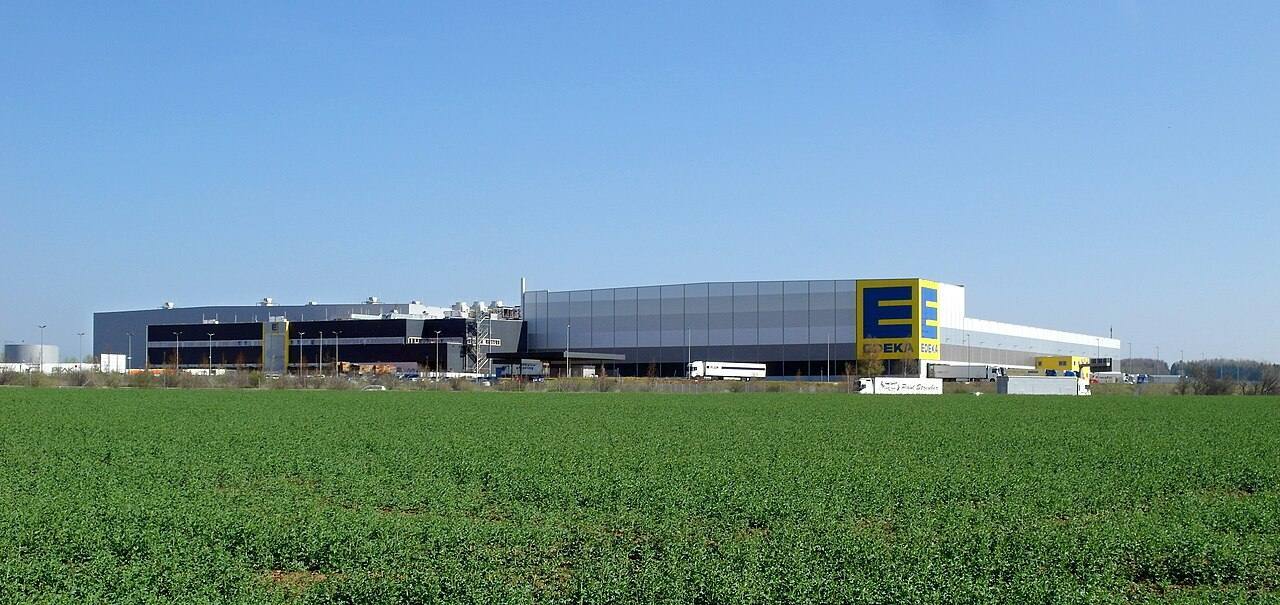
The Mechanics of Retail Sales
As we approach the holiday shopping season, retailers across the nation are ramping up their efforts to entice consumers. Discounts, promotions, and flashy advertisements flood our inboxes and television screens. But how often do we consider the underlying procedures that dictate these strategies? The retail landscape is not just a chaotic marketplace but a carefully orchestrated system influenced by economic indicators, consumer behavior, and even policy decisions.

For instance, the methodology behind inventory management is a crucial part of this equation. Retailers must carefully balance supply and demand, often through advanced algorithms and predictive analytics. However, this technical approach raises questions about the human element in retail. Are we sacrificing genuine customer service in favor of efficiency? As stores become more automated, the personal touch that once defined shopping experiences is at risk of fading away. This is a concern that should resonate with both consumers and retailers alike.
The Left’s Overreach in Regulation
On the political front, the left has championed various regulatory measures aimed at protecting consumers and small businesses alike. While the intent behind these regulations may be noble, the execution often leads to unintended consequences that stifle innovation and burden retailers with excessive compliance costs. For example, legislation aimed at ensuring fair labor practices has, in some instances, resulted in increased prices for consumers as businesses pass on the costs of compliance.
Moreover, the push for a living wage, while rooted in a desire for economic justice, has the potential to disrupt the very fabric of retail employment. Many small businesses operate on razor-thin margins; imposing higher wages may lead to downsizing or, in some cases, closure. This unintended consequence could ultimately harm the very workers the policies intend to help, pushing them out of jobs altogether. It is a classic case of good intentions colliding with market realities.
The Right’s Reluctance to Adapt
Conversely, the right often advocates for a laissez-faire approach, arguing that market forces should dictate retail practices without government intervention. While this philosophy emphasizes freedom and innovation, it often overlooks the need for accountability and ethical practices within the retail sector. The absence of regulation can lead to exploitative labor practices and environmental degradation as businesses prioritize profit over social responsibility.
Moreover, the right's resistance to acknowledging the pressing issues of income inequality and its impact on consumer spending is perplexing. A thriving retail sector relies on consumers who have discretionary income to spend. Ignoring the disparities in wealth can result in a lukewarm economy where sales stagnate, ultimately affecting everyone - from the large chains to the artisanal shops seeking to capture a niche market.
The Consumer’s Role
Amid these political dynamics, consumers play an integral role in shaping retail sales. The growing demand for ethically sourced products and sustainable practices reflects a shift in consumer preferences. Yet, there is a disconnect. Many consumers express a desire to support local businesses and sustainable practices, yet they often gravitate toward big-box retailers for convenience and lower prices. This contradiction highlights the complexity of consumer behavior and the challenges retailers face in trying to meet evolving expectations.
“The retail landscape is not just a chaotic marketplace but a carefully orchestrated system influenced by economic indicators and consumer behavior.”
Looking Ahead: A Balanced Approach
As we navigate the complexities of retail sales, it is essential for both sides of the political spectrum to recognize that a balanced approach is crucial. For the left, this means advocating for regulations that protect workers and consumers without stifling innovation. For the right, it calls for an acknowledgment of the importance of ethical practices and accountability within the marketplace.
Ultimately, the future of retail sales hinges on our collective ability to engage in a constructive dialogue about the procedures that govern our shopping experiences. By prioritizing transparency, fairness, and ethical considerations, we can foster a retail environment that not only thrives economically but also serves the broader interests of society.
✦ ✦ ✦