From the file. Written for the paper dated October 2015. Opened in the public stacks July 14, 2026.
In an era marked by sensationalism and hyperbole, the delicate dance between public discourse and rumor has reached a fever pitch. The cacophony of voices that fill our media landscape often drowns out the fundamental principles of our republic.

The Machinery of Modern Rumor
Rumor, as a mechanism, has been around since the dawn of civilization. However, in our current age, it feels as though the machinery behind rumor has become increasingly complex and troubling. The left and right, each vying for power and influence, have weaponized misinformation to an alarming degree. This raises an essential question: can our republic survive the incessant noise?

On one hand, we have progressive factions that often resort to fear-mongering tactics, amplifying issues like climate change to the level of apocalyptic urgency. While the threat of climate change is real and necessitates immediate action, the hyperbole used can lead to a form of desensitization among the public, fostering a belief that nothing can be done. This, in turn, breeds apathy, making individuals less likely to engage meaningfully with policy debates.

Conversely, the right has taken to crafting narratives that often distort reality, portraying government initiatives as overreaches that threaten personal freedoms. The rhetoric surrounding healthcare reform, for example, has been littered with claims of government tyranny. Such stories can propagate a dangerous misinformation loop, where individuals become so entrenched in their beliefs that they reject fact-based evidence.
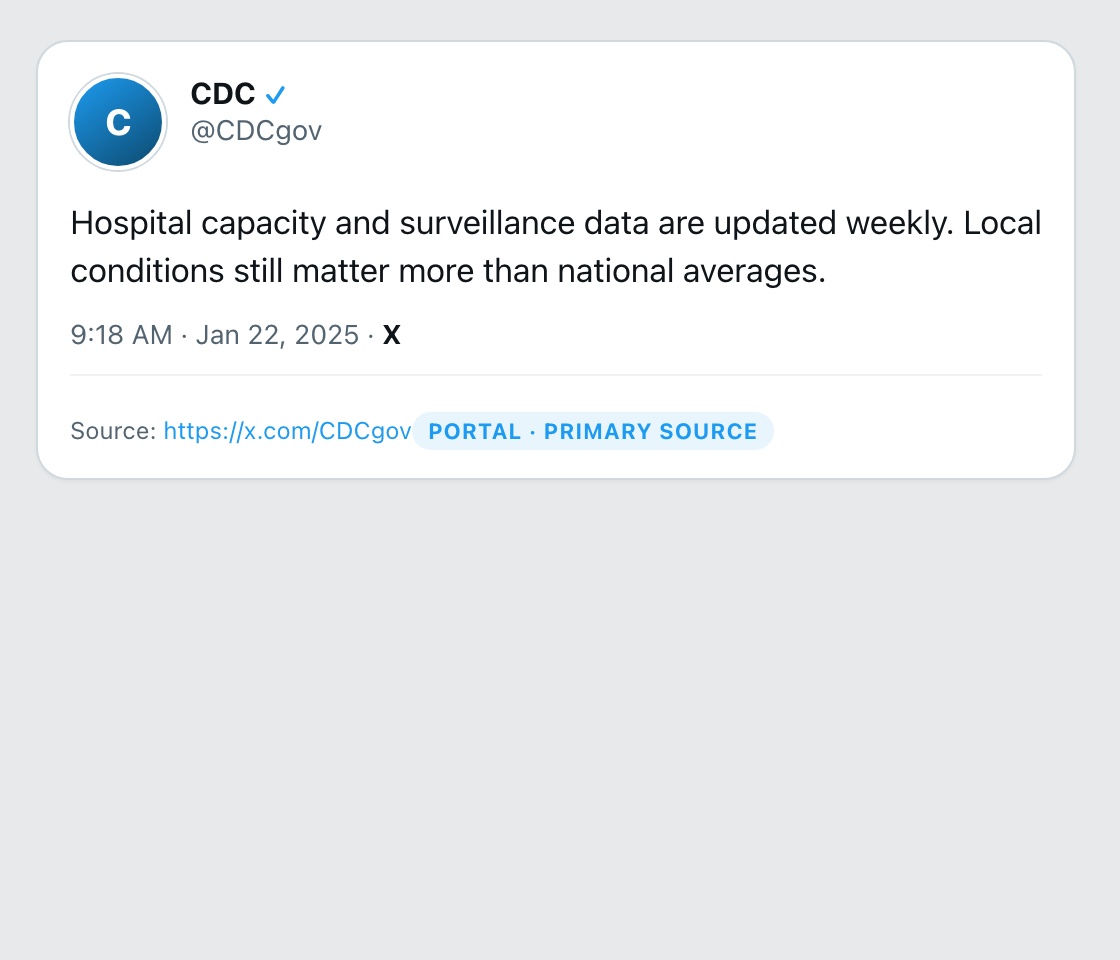
"In a republic, the pursuit of truth should be the highest priority, yet both sides seem more focused on winning arguments than fostering understanding."
Echo Chambers and Their Dangers
The rise of echo chambers - environments where individuals are exposed only to information that reinforces their existing beliefs - exacerbates these issues. Whether it is a liberal blog or a conservative talk radio show, these platforms cultivate a sense of tribalism that prioritizes allegiance over reason. This phenomenon is not merely an inconvenience; it poses a profound threat to the functioning of our democracy.
When citizens retreat into these silos, the very fabric of our republic weakens. Public debate suffers as consensus becomes harder to achieve, and collaboration across the aisle appears increasingly impossible. The true essence of democracy - the exchange of ideas - gets lost amid the clamor of competing rumors and half-truths.
Fact-Checking as a Countermeasure
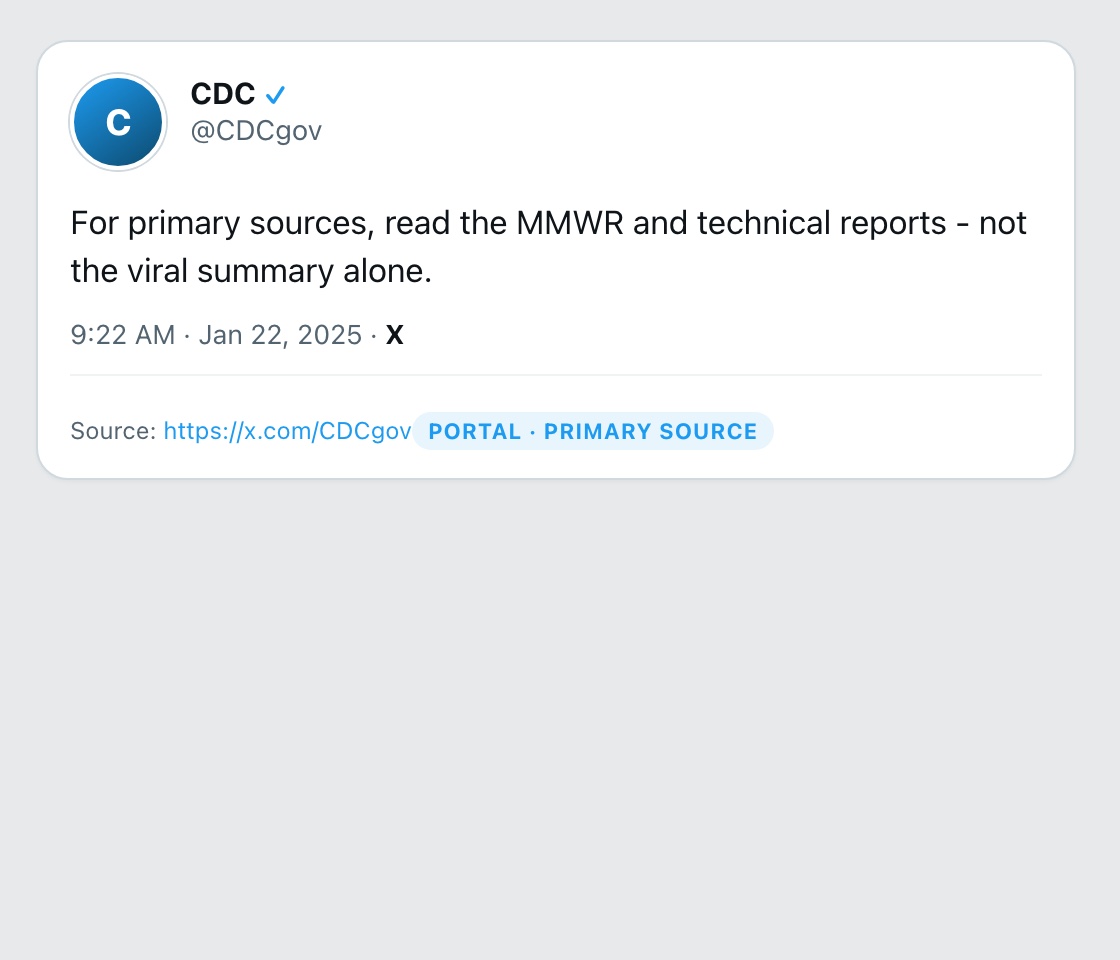
In response to the rampant spread of misinformation, various fact-checking organizations have emerged with the noble aim of restoring some semblance of truth to public discourse. However, the efficacy of these efforts is often undermined by the very nature of rumor. When a sensational story circulates, it can spread like wildfire, while the more measured fact-checks struggle to gain traction.
Moreover, individuals often exhibit confirmation bias, where they choose to believe information that supports their preconceived notions. Even when confronted with factual evidence, many will dismiss it if it contradicts their beliefs. This creates a paradox: the more we aim to clarify the truth, the more entrenched individuals become in their respective narratives.
The Role of Media in Shaping Perception
Media, as the conduit of information, bears a significant responsibility in this landscape. The sensationalist tendencies of news outlets often prioritize viewership over factual reporting, contributing to the overall disarray. When headlines are crafted to incite outrage rather than inform, they become part of the problem, further muddying the waters of public understanding.
It is imperative for journalists to uphold the standards of integrity and accountability while reporting. The challenge remains: how can we ensure that news serves the public interest without succumbing to the lure of sensationalism? The answer lies in a commitment to rigorous fact-checking, balanced reporting, and a willingness to challenge prevailing narratives, regardless of their source.
Reclaiming Conversations
In the face of these challenges, it is essential for citizens to engage in meaningful conversations that transcend the noise. This requires a conscious effort to seek out diverse perspectives and to approach discussions with an open mind. The strength of our republic lies in its ability to accommodate differing viewpoints, but this can only happen if we prioritize discourse over division.
As we navigate this tumultuous landscape, we must remain vigilant against the excesses of both the left and the right. The health of our democracy depends on our ability to discern fact from fiction, to engage constructively with one another, and to reclaim the conversation that is so desperately needed in our republic.
✦ ✦ ✦