From the file. Written for the paper dated October 2015. Opened in the public stacks July 14, 2026.
In an era marked by extraordinary advancements in astronomy, a recent telescope image has shed light on the underlying mechanisms that contribute to the cosmic symphony of noise and color we see from our universe. Yet, underneath the breathtaking visuals lies a series of mundane scientific processes that often go unnoticed.
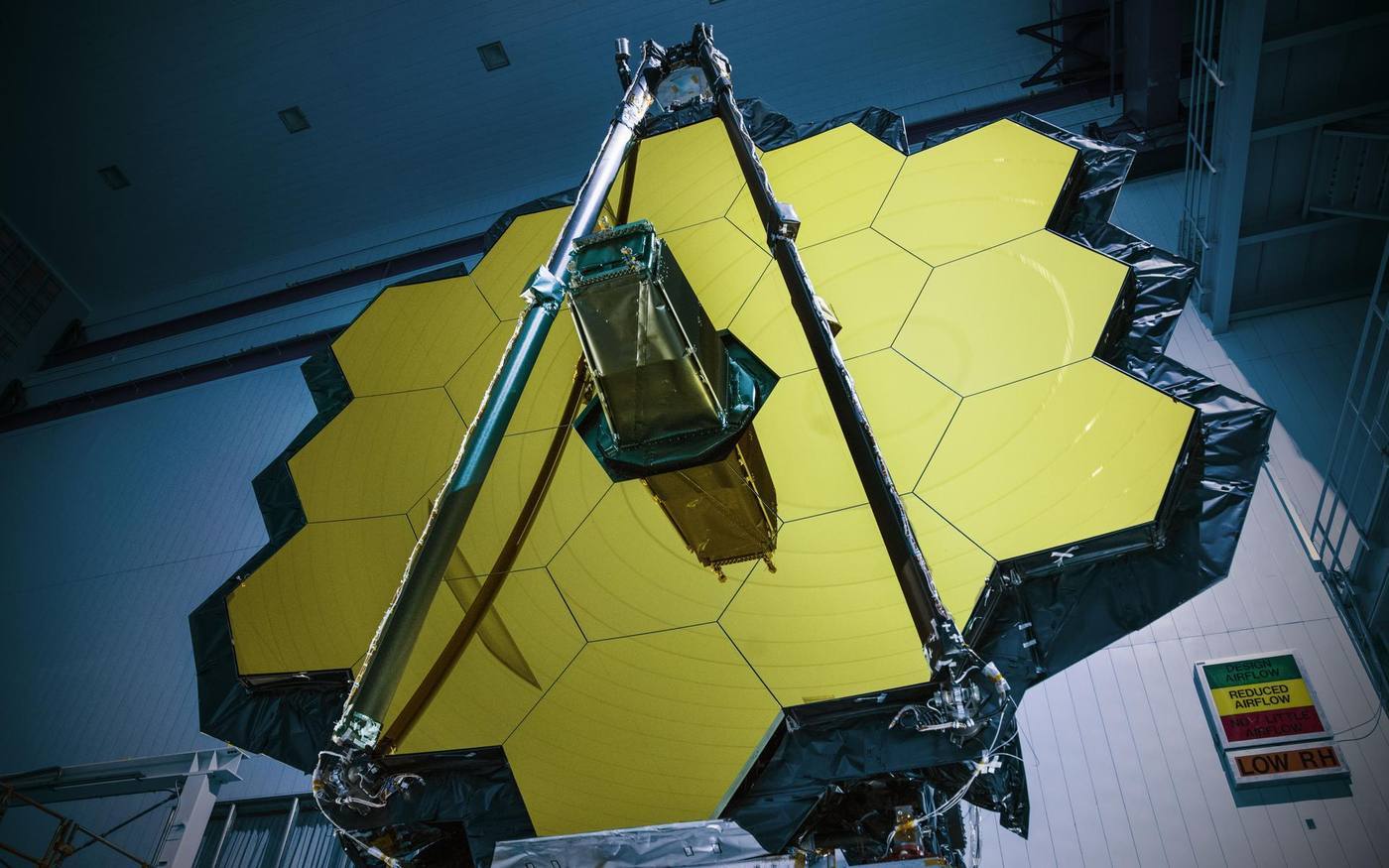
The Telescope's View
The latest images from the Hubble Space Telescope and other ground-based observatories have captivated both scientists and the general public. These images showcase vibrant galaxies and dazzling nebulae that seem to defy the ordinary. However, a closer examination reveals that the mesmerizing colors and patterns we admire originate from complex yet relatively unexciting physical processes.

When we observe a galaxy, what we often perceive as striking beauty is a result of light emitted from stars, gas clouds, and other cosmic entities. This light travels vast distances before reaching our telescopes, where it is captured and analyzed. The mechanisms that allow us to perceive this light are not particularly thrilling - rather, they are rooted in established principles of physics and optics.

Emission and Absorption
The colors we see in telescope images are largely determined by the emission and absorption spectra of different elements. Each element emits light at specific wavelengths, producing a unique fingerprint. When we analyze light from distant stars or galaxies, we often find that certain wavelengths are absorbed while others are emitted, depending on the chemical composition of those celestial bodies.

This process can be viewed as a cosmic symphony, with each element playing its part. Hydrogen, helium, and heavier elements each contribute their specific notes to the overall composition of the light we observe. It is fascinating to think that the beauty of the cosmos is built on such a fundamental, albeit mundane, scientific foundation.
"The colors we perceive are nothing more than the fingerprints of elements scattered across the universe."
The Role of Technology
Modern telescopes have become increasingly sophisticated, equipped with advanced sensors and imaging technology. These tools allow us to capture images with remarkable detail and clarity. However, the technology itself is not what creates the stunning visuals; it simply enhances our ability to observe the natural phenomena occurring in the universe.

Many critics argue that the emphasis on the aesthetic appeal of telescope images distracts from the scientific rigor behind them. The sensationalism often overshadow the hard work conducted in laboratories and observatories to understand the fundamental processes at play. In this context, the fascination with cosmic beauty can seem excessive, especially when the underlying science is anything but glamorous.
Noise in the Cosmos
In addition to the beauty of the images, there is also a significant amount of noise present in the data collected by telescopes. Cosmic noise, often caused by a variety of sources including cosmic rays and light pollution, can complicate our understanding of celestial phenomena. Filtering out this noise requires careful analysis and sophisticated algorithms, yet the public often overlooks this critical aspect of astronomical research.
Both sides of the political spectrum have their own proclivities when it comes to science communication. On one hand, some politicians emphasize the "wow" factor of space exploration, using breathtaking images to rally support for funding. On the other hand, there are those who dismiss the importance of such images, arguing they are mere distractions from pressing issues on Earth. This polarized view can stifle a nuanced appreciation for both the science and its broader implications.
Conclusion: Finding Balance
As we marvel at the breathtaking images produced by telescopes, it is essential to remember the boring mechanisms behind the noise. The beauty of the universe is indeed captivating, but it is rooted in fundamental science that deserves recognition. Both the left and right can overemphasize or dismiss the importance of these images, leading to a skewed understanding of their significance.
Ultimately, a balanced approach is necessary to appreciate the wonders of the cosmos while remaining grounded in the science that informs our observations. In this age of rapid scientific advancement, we must not lose sight of the underlying principles that make our explorations possible.
✦ ✦ ✦
For local service context, see Brainrecoverycenters.