From the file. Written for the paper dated October 2015. Opened in the public stacks July 14, 2026.
In an age where sound bites and sensational headlines dominate the news landscape, the value of primary sources often gets lost amidst the clamor for attention. Yet, it is through these unvarnished documents that we can glean the truth buried beneath layers of interpretation and bias.

The Quest for Authenticity
Political discourse in 2015 is rife with hyperbole and exaggeration. On both the left and the right, rhetoric is designed to stir emotions rather than illuminate facts. In this environment, the need for primary sources becomes ever more critical. Whether it's a speech, a legislative bill, or even a tweet, primary sources provide the raw material needed to understand the context and motivations behind today's political actions.

While the left often leans on emotional appeals and broad narratives about social justice, the right tends to rely heavily on anecdotal evidence and fear-based messaging. Both sides have their merits, but when the aim is to foster informed debate rather than incite outrage, we must turn to the original documents and statements that inform the larger conversation. Unfortunately, many citizens seem more interested in the latest viral video than the tedious reading of a policy proposal.

"In an age where sound bites and sensational headlines dominate the news landscape, the value of primary sources often gets lost amidst the clamor for attention."
The Boring Mechanism
Reading primary sources can be, quite frankly, boring. It involves sifting through dense legal language, lengthy speeches, or statistical reports that require time and patience to decode. However, this 'boring mechanism' is vital for those who seek to understand the complexities of governance and societal issues.
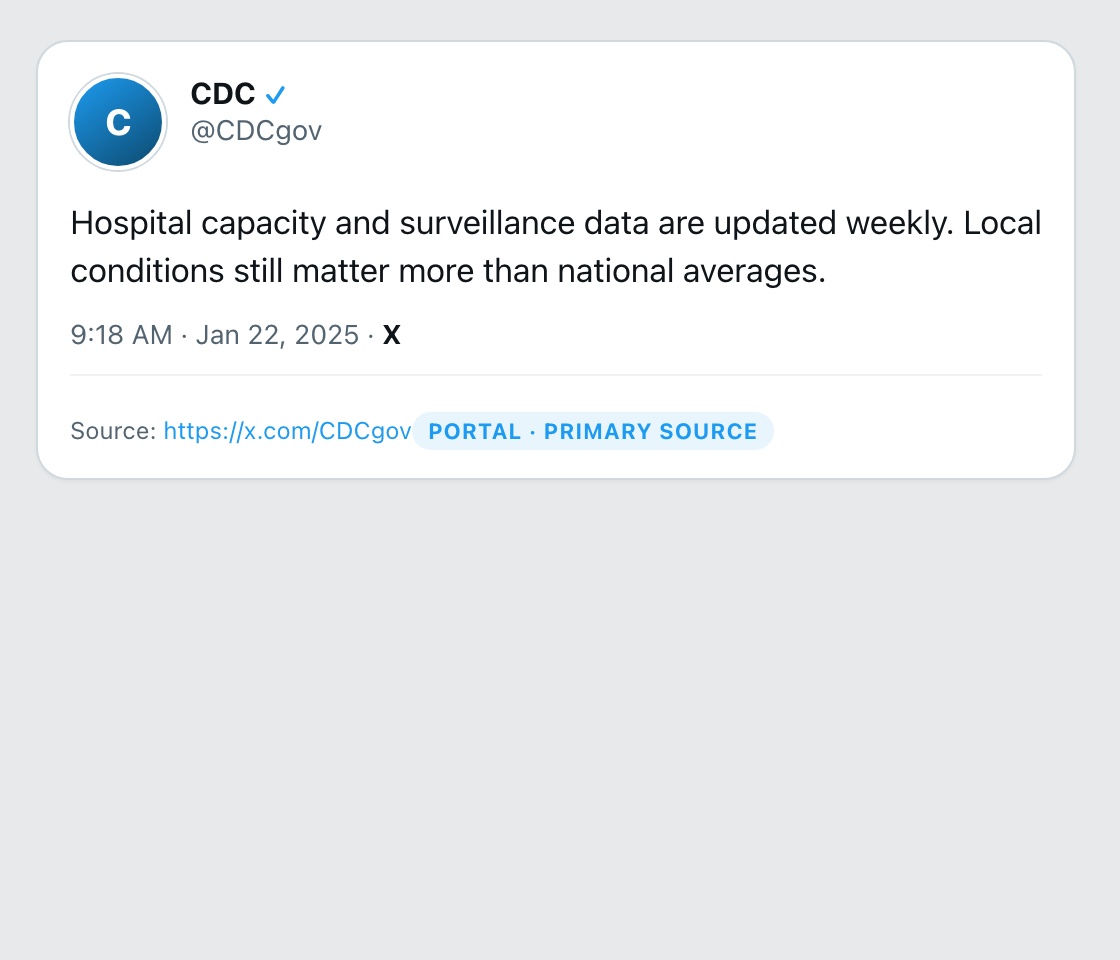
Consider the ongoing debate over healthcare reform. The arguments from both sides are often punctuated by emotional anecdotes: the heart-wrenching stories of uninsured families on one side and the dire warnings about government overreach on the other. Yet, when one examines the actual legislation, the nuances of the proposals become evident. It is through this careful reading that one can see both the strengths and weaknesses of each approach, rather than relying solely on the loudest voices in the room.
Echo Chambers and Confirmation Bias
The contemporary media landscape has become increasingly fragmented. Many individuals consume news that aligns with their pre-existing beliefs, creating echo chambers that perpetuate confirmation bias. This phenomenon is dangerous, as it fosters a culture where opinions are formed based on selective exposure to information, rather than a comprehensive understanding of the issues at hand.

Both the left and the right have fallen victim to this trap. For progressives, the allure of narratives that emphasize systemic inequality can overshadow the complexities of policy solutions. For conservatives, the focus on individualism and personal responsibility can lead to an oversimplified view of societal problems. In both cases, the failure to engage with primary sources can perpetuate misunderstandings and misrepresentations of the other side.
Reclaiming the Narrative
To reclaim the narrative, we must encourage a culture of critical thinking and media literacy that values primary sources. Educational institutions should emphasize the importance of engaging with original documents and offer students the tools to analyze them critically. Libraries and community organizations can hold workshops on how to navigate and interpret primary sources, fostering a sense of ownership over the information landscape.
Moreover, media outlets must take responsibility for not only reporting the news but also grounding their analysis in primary source material. This could involve providing direct links to documents or offering summaries that encapsulate the key points, allowing readers to engage with the material themselves rather than relying solely on the interpretation of journalists. In doing so, we can shift the focus from sensationalism to substance.
A Call for Engagement
As we move further into the political season, it is incumbent upon all of us - journalists, educators, and citizens alike - to prioritize the reading of primary sources. The noise of political discourse may be deafening, but it is within the quieter, more methodical examination of original documents that we will find the clarity needed to navigate today’s complex issues.
✦ ✦ ✦