From the file. Written for the paper dated October 2015. Opened in the public stacks July 14, 2026.
In the cacophony of political rhetoric surrounding the 2020 Census, the underlying mechanics often go unnoticed. Both sides of the aisle have capitalized on fears and misinformation, but it is the mundane operations of the Census Bureau that reveal the true stakes.
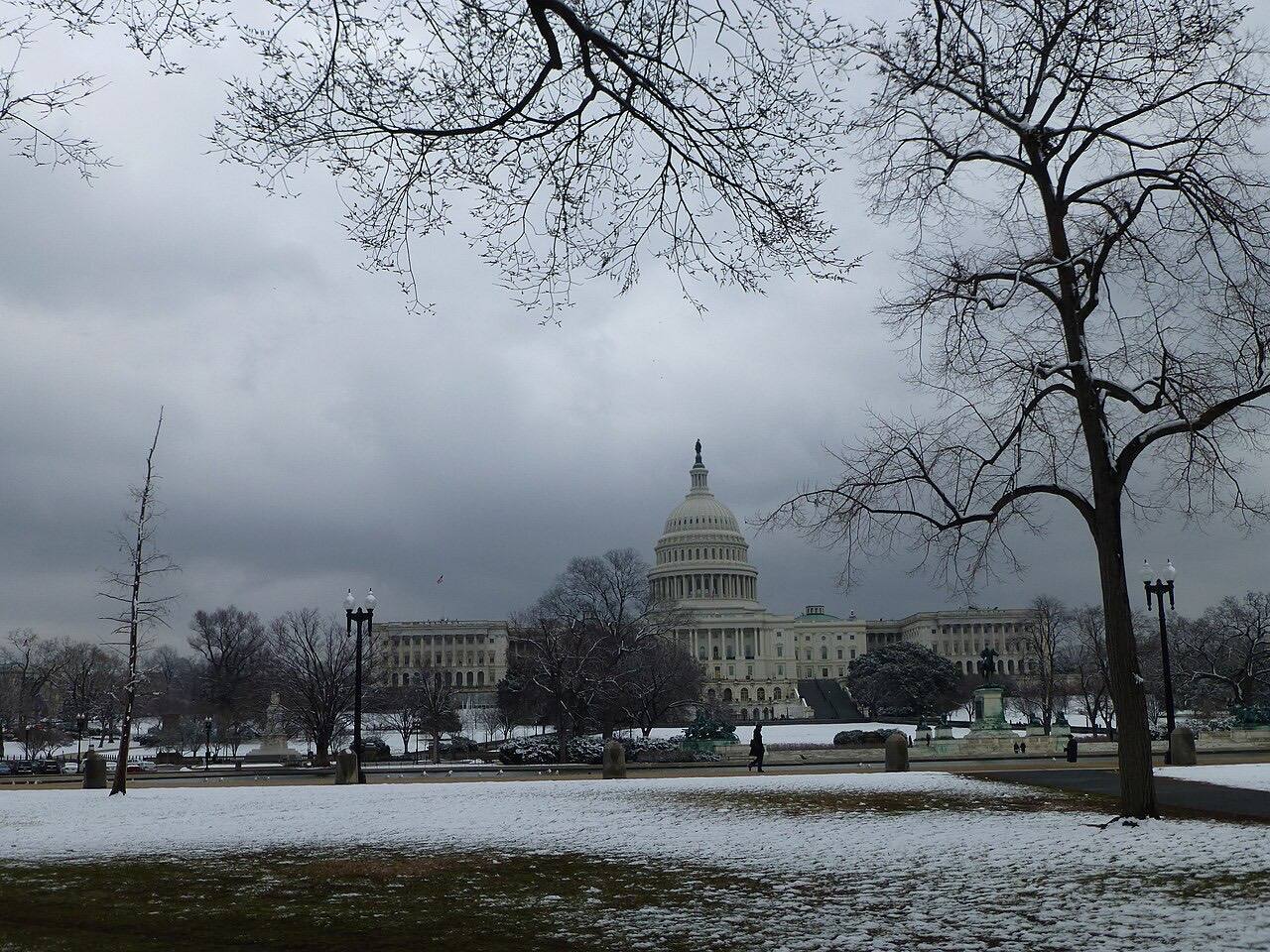
The Stakes of Enumeration
The Census is not merely a headcount; it is a pivotal mechanism for the allocation of federal funds, legislative representation, and the understanding of demographic shifts within the country. As we approach the next Census, the politicization of this process has reached fever pitch. On one side, the left warns that underfunding and political manipulation could lead to underrepresentation of minorities and low-income communities. The right, on the other hand, has raised alarms about potential fraud and misuse of personal data.

Yet, amidst the alarmism, the reality remains that the Census operates through a complex, bureaucratic framework designed to ensure accuracy and fairness. The Census Bureau employs a variety of methods to gather data, including mail, phone interviews, and in-person visits, all of which are meticulously planned to maximize participation. This is where the true importance lies, but it is often drowned out by the louder, more sensational claims from both ends of the political spectrum.
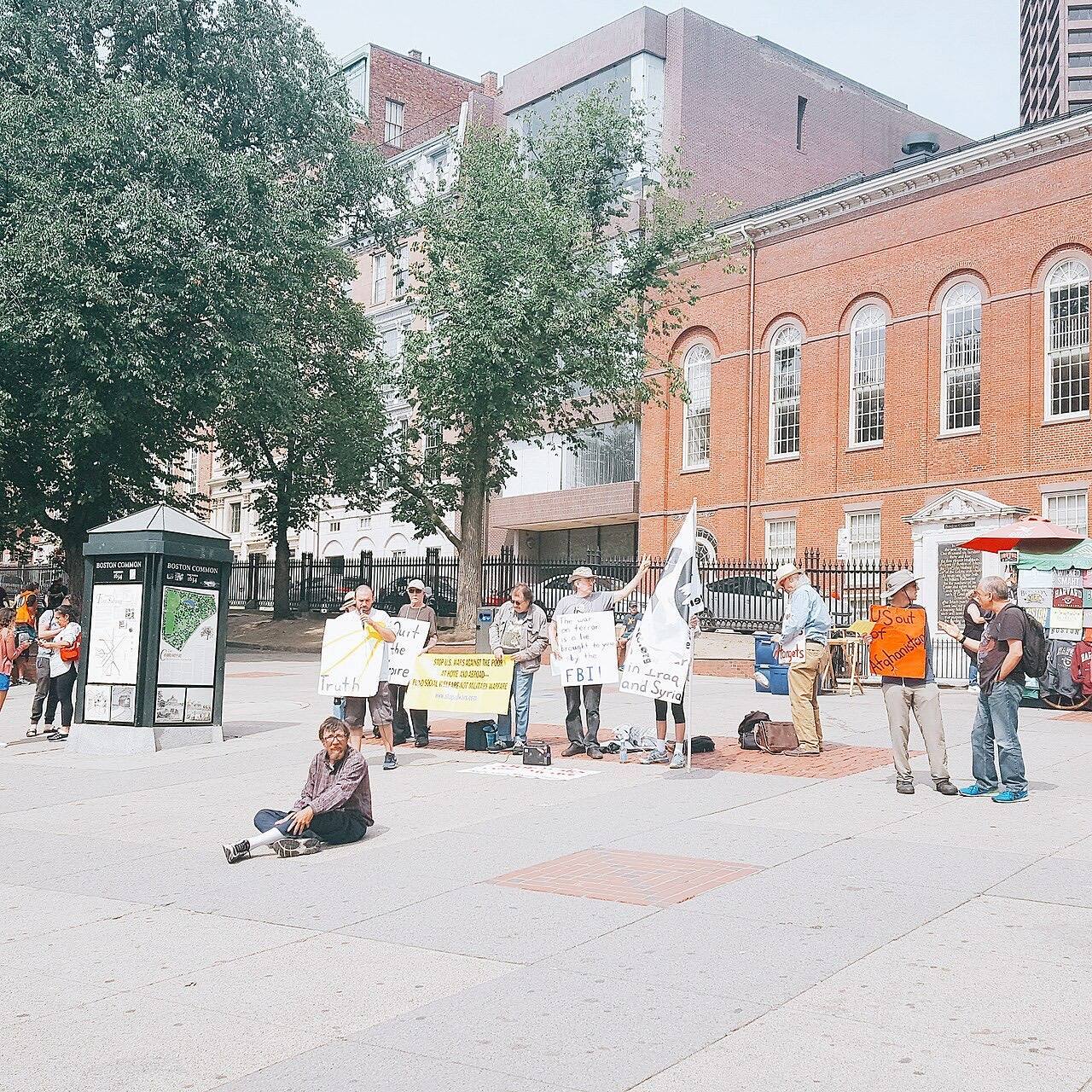
Misguided Arguments
The left's insistence on the dangers of underrepresentation has merit, particularly when considering historical contexts where certain communities have been systematically overlooked. However, the rhetoric sometimes veers into hyperbole, suggesting that any attempt at reform is a direct attack on democracy. Such statements can alienate potential allies who may have legitimate concerns about how the Census data is utilized.

On the flip side, the right’s focus on potential fraud, while not entirely unfounded, often disregards the safeguards that are already in place. The fearmongering about data security and accuracy can lead to calls for unnecessary restrictions that could hinder the very process they seek to protect. The irony is that these restrictions could ultimately exacerbate the issues they claim to address, resulting in a less accurate count.
"In the end, the Census is about more than just numbers; it is about the people they represent."
The Bureaucratic Backbone
At the core of the Census is a dedicated workforce, comprised of career civil servants who are committed to the mission of accurate representation. They work tirelessly in the background to ensure that every individual is counted, often facing political headwinds that can complicate their efforts. For example, the Bureau has been challenged by budget cuts that threaten to limit outreach efforts, especially in hard-to-reach communities where participation is essential.

Moreover, the technological tools employed by the Census Bureau are not as advanced as one might expect. Many of the methods are still rooted in traditional data collection techniques, relying on community trust and engagement. This is where the narrative of modernization clashes with grassroots realities. The Census does not operate in a vacuum; it requires the cooperation of the public, which is often influenced by political narratives.
A Call for Rational Discourse
As the Census approaches, it is vital for both sides to engage in a more rational discourse that prioritizes the integrity of the process over political gains. Instead of indulging in fear tactics, there should be a concerted effort to educate the public on the importance of the Census and the mechanisms that ensure its accuracy. This would not only allay fears but also encourage participation, which is crucial for a representative democracy.
Conclusion
The upcoming Census represents a critical juncture for the nation. It is a reflection of who we are and how we choose to allocate our resources. As we navigate the noise generated by both sides, it is essential to return to the fundamental principles of the Census: accuracy, representation, and inclusion. The mechanisms may be boring, but they hold the key to understanding our democracy.
✦ ✦ ✦