From the file. Written for the paper dated September 2015. Opened in the public stacks July 14, 2026.
In an era where the discourse surrounding supply chains has become riddled with identity politics, it's crucial to step back and assess the underlying issues without the distractions of partisan theatrics. The complexities of modern supply chains deserve a straightforward analysis, free from the excesses of both the left and right.

The Complexity of Supply Chains
Supply chains are the backbone of commerce, weaving together multiple sectors and industries. They are not merely a function of transportation and logistics but represent a sophisticated network of relationships, technologies, and regulations that span the globe. The conversation surrounding supply chains has often devolved into a battle of ideologies, with each side attempting to hijack the narrative for their own purposes.

On one side, we have those who advocate for a more nationalistic approach to supply chains, arguing that domestic production is the only way to ensure economic stability and job security. This perspective often overlooks the realities of global trade, where interconnected supply chains can lead to increased efficiency and lower prices for consumers. The call to "bring back jobs" can be a powerful rallying cry, but it risks oversimplifying a complex issue that involves trade-offs and unintended consequences.
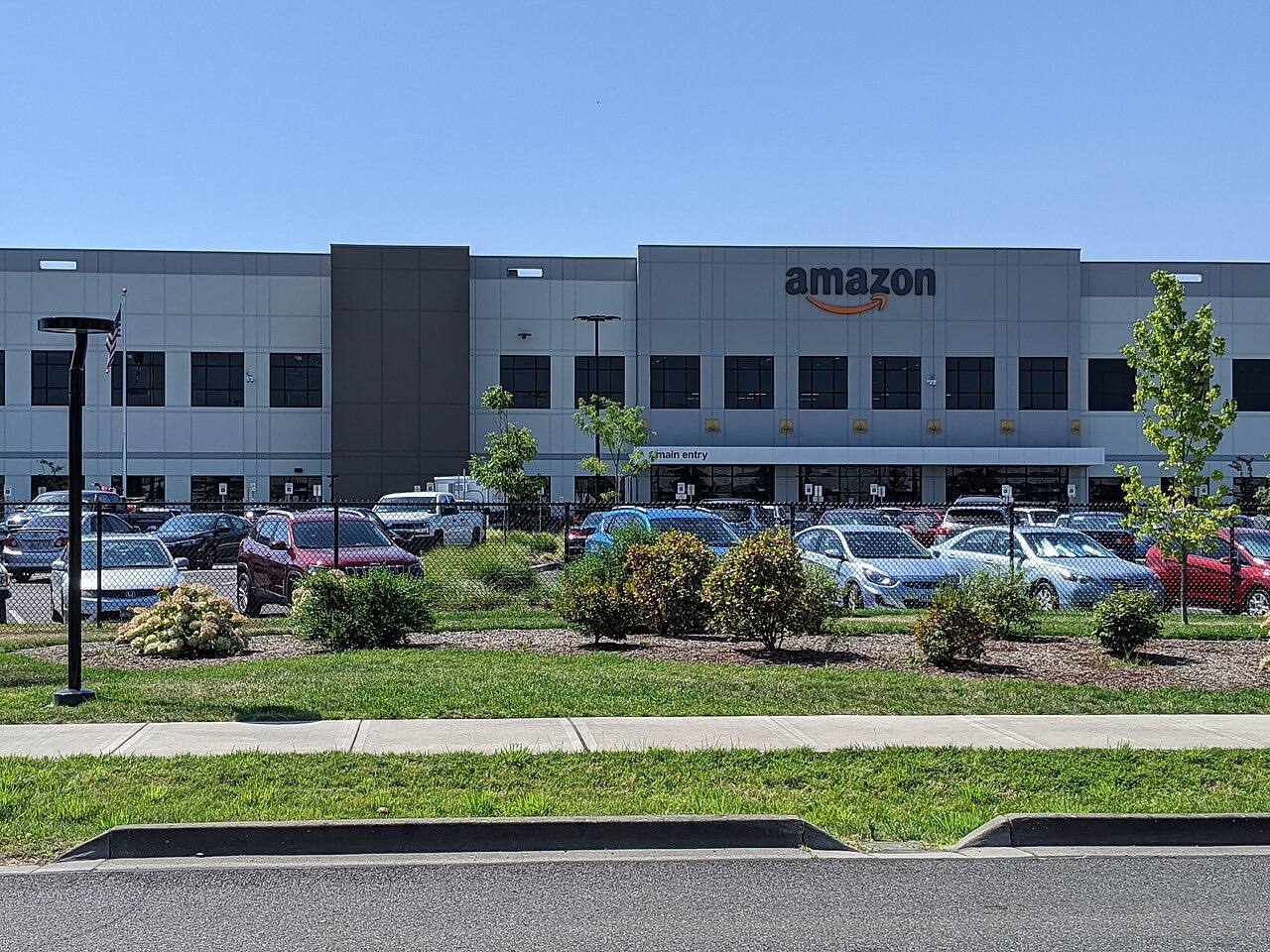
Conversely, the left tends to champion globalization, promoting the benefits of free trade and open markets. While the intentions may be noble, this perspective can sometimes ignore the detrimental effects that unfettered globalization can have on local industries and communities. The push for international cooperation is admirable, but the consequences of outsourcing and economic displacement need to be addressed with equal vigor.
Evidence Over Identity
To navigate this tangled web, we must prioritize evidence over identity. Data and facts should take precedence as we dissect the challenges and opportunities presented by supply chains. For instance, the recent disruptions caused by natural disasters and geopolitical tensions have highlighted the vulnerabilities of heavily reliant supply chains. It is essential to analyze these events without resorting to partisan blame games; instead, we should examine the effectiveness of risk management strategies and the resilience of supply chains.
Moreover, the rise of technological innovations, such as automation and artificial intelligence, has transformed supply chain operations. While some view these advancements as threats to job security, it is vital to recognize the potential for increased productivity and efficiency. The narrative surrounding technology in supply chains must shift from fear to understanding. As we confront these challenges, we should focus on how to reskill the workforce rather than merely lamenting job losses.

"The conversation surrounding supply chains has often devolved into a battle of ideologies."
Balancing Perspectives
There is a pressing need for balance in the discourse surrounding supply chains. Extremes on both sides can lead to policies that harm rather than help. A bipartisan approach that considers the merits of both nationalism and globalization, grounded in evidence, could provide a pathway forward. Policymakers must engage in constructive dialogue to create regulations that protect local industries while also embracing the efficiencies offered by global trade.
Furthermore, consumers play a crucial role in shaping supply chains. As awareness of ethical sourcing and sustainability grows, companies are increasingly held accountable for their practices. This shift highlights the importance of transparency in supply chains. Both consumers and corporations must be willing to engage in a more informed discussion about sourcing, labor practices, and environmental impact. Ignoring these factors in favor of ideological purity serves no one.
The Road Ahead
As we move forward, the conversation surrounding supply chains must evolve. It is imperative that we create an environment where evidence is valued over identity. This means fostering open dialogue and collaboration between businesses, policymakers, and consumers. By doing so, we can build a more resilient and equitable supply chain system that benefits everyone.
Ultimately, the goal should be to create a supply chain framework that not only drives economic growth but also addresses social and environmental concerns. This is no small task, but by prioritizing evidence and collaboration, we can rise to the challenge. The future of our economy depends on our ability to unite around common goals rather than being divided by partisan excess.
✦ ✦ ✦