From the file. Written for the paper dated September 2015. Opened in the public stacks July 14, 2026.
As the nation's pension systems face alarming shortfalls, a critical examination reveals that neither political extremes offer viable solutions, leaving many workers anxious about their financial futures.

The Growing Pension Crisis
The pension crisis in the United States has reached a boiling point, with many workers becoming increasingly aware of the widening gap between promised benefits and available funds. According to various reports, public pension plans across the country are underfunded by trillions of dollars, raising concerns about the sustainability of retirement income for millions of Americans. This crisis is not merely a financial issue but a societal one, as it threatens the very fabric of middle-class security.

"A retirement system built on shaky ground is no system at all."
In the midst of these challenges, the political discourse has become polarized. On the left, some advocates push for expansive reforms that include increased taxes on the wealthy to fund pensions. While the intention is noble, the execution often lacks a clear framework, leading to proposals that may alienate potential bipartisan support. The idea of burdening high earners with more taxes is not inherently flawed; however, it ignores the complexities of the economy and the potential repercussions on job creation and investment.

Conversely, the right tends to advocate for privatization and individual investment accounts as solutions. Yet, this approach raises its own set of concerns. For one, it places the responsibility of retirement security entirely on individuals, who may lack the necessary financial literacy or resources to navigate the stock market effectively. Furthermore, relying solely on market performance can lead to devastating losses during economic downturns, leaving retirees vulnerable when they can least afford it.
The Reality of Pension Shortfalls
At the heart of the pension shortfall crisis lies an essential truth: the current system is not sustainable in its present form. Many public pensions were established with overly optimistic assumptions about investment returns and workforce demographics. As lifespans increase and birth rates decline, the ratio of workers to retirees has shifted, placing additional strain on these funds.
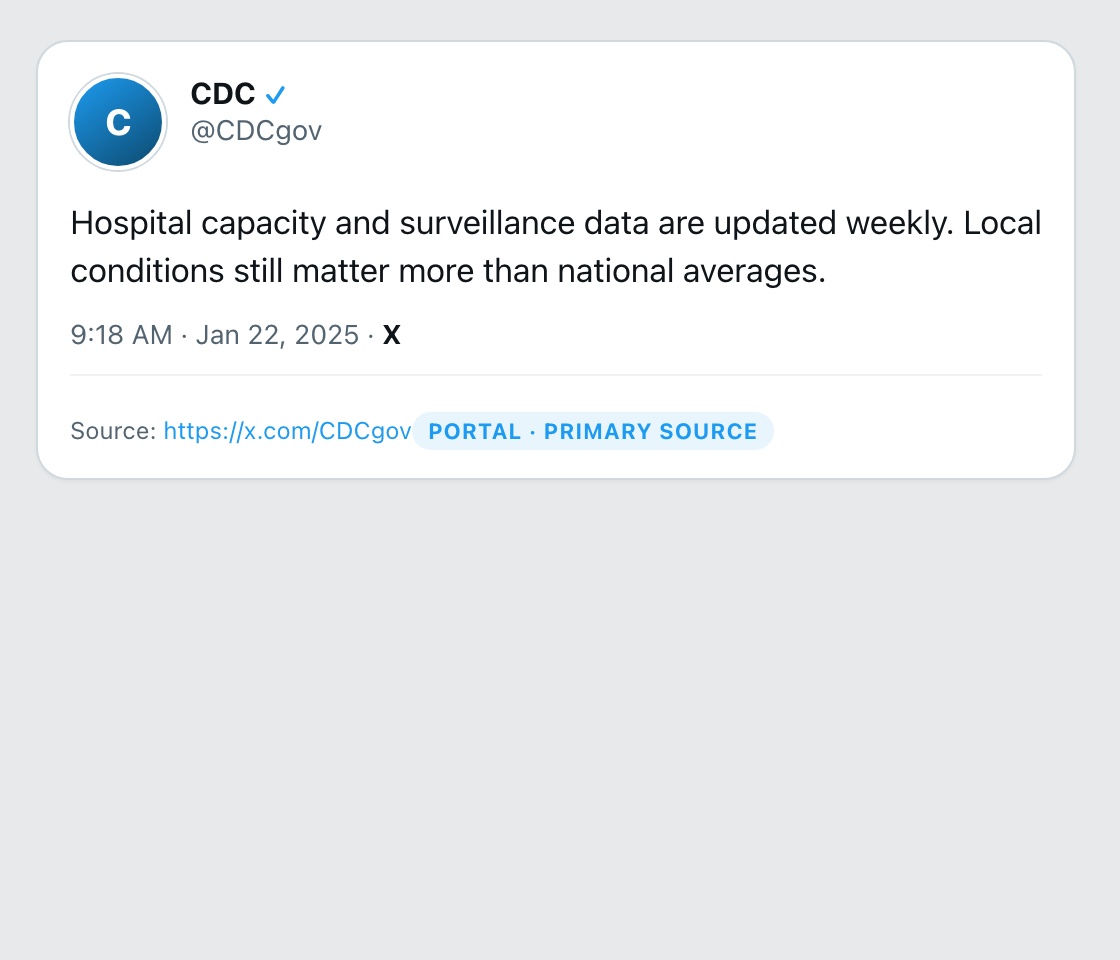
A major factor in this crisis is also the lack of transparency in pension fund management. Many state and local governments have failed to communicate the realities of their financial situations to the public, leading to a widespread disconnect between expectations and reality. As workers contribute to their pension plans, they often believe they are investing in a secure future, only to discover that the funds may not be there when they retire.
Bridging the Divide
In order to address the pension crisis effectively, a middle-ground approach is essential. Policymakers need to collaborate across party lines to create comprehensive reform that ensures the viability of pension systems without overburdening taxpayers or placing undue stress on individual workers. This could involve a combination of increased funding, better management practices, and enhanced financial education for workers.
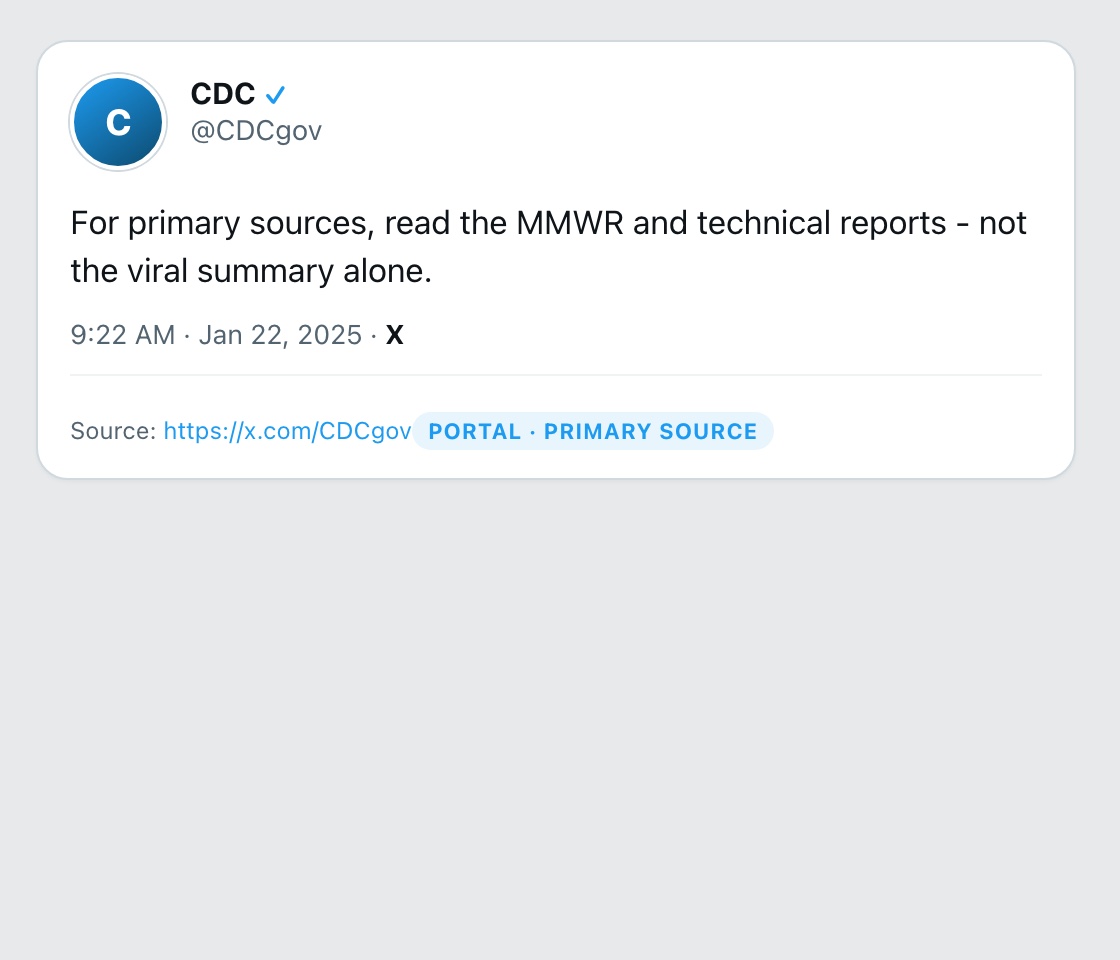
Moreover, it is crucial to engage the public in discussions about the realities of pension funding. Transparency is key; workers deserve to know how their contributions are being managed and what risks are involved. Fostering an informed electorate can lead to better decision-making and a greater willingness to support necessary reforms.
The Path Forward
As we navigate these turbulent waters, it is essential to remember that the pension system exists to support those who have dedicated their lives to work. The voices of retirees and workers must be at the forefront of discussions, ensuring that any reforms address the real needs of those who rely on these benefits for their financial security.
Ultimately, the path forward will require compromise and collaboration. By setting aside partisan agendas and focusing on evidence-based solutions, we can build a more secure and equitable retirement system that honors the hard work of millions of Americans. The stakes are high, and the time for action is now.
✦ ✦ ✦