From the file. Written for the paper dated September 2015. Opened in the public stacks July 14, 2026.
In an era where political polarization is at an all-time high, the implications for free speech are profound, with both sides of the political spectrum failing to uphold the fundamental principle of open dialogue.
The State of Free Speech Today
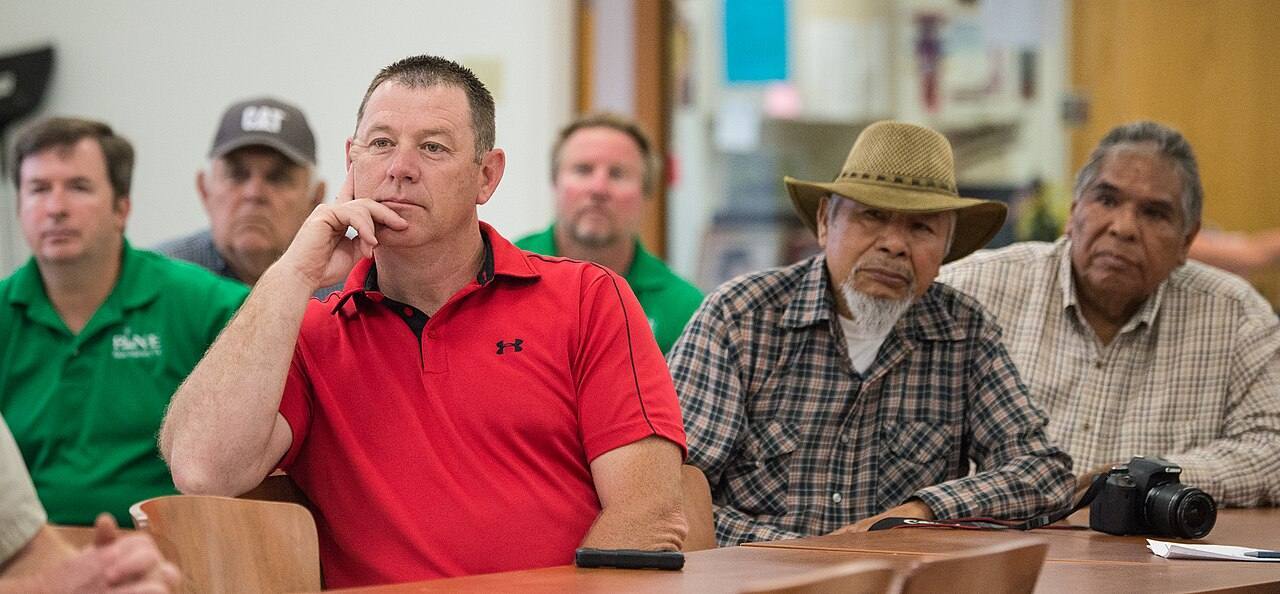
As we navigate the turbulent waters of American politics in September 2015, the importance of free speech remains a cornerstone of our democracy. However, the current climate suggests that free expression is increasingly under threat, not from an external entity, but from the very citizens who claim to uphold its virtues. Both the left and the right are guilty of stifling dissenting voices in their quest to fortify their positions.
"Freedom of speech, while cherished, is being weaponized by political factions to silence their opponents."
The left often champions the need for safe spaces and sensitivity to language, creating an environment where some individuals feel empowered to shut down conversations that they deem harmful or offensive. This is a noble intention, but it often leads to a slippery slope where differing opinions can be labeled as hate speech, thus restricting the open discourse that is vital for a healthy democracy. The irony is palpable: in an effort to protect marginalized voices, the left sometimes marginalizes those who disagree.

On the other hand, the right has taken a different approach, often invoking the First Amendment to defend speech that is not only provocative but, at times, flat-out offensive. While the right is right to defend free speech from governmental overreach, it often seems to disregard the broader implications of fostering a culture of intolerance. The so-called "free speech warriors" can sometimes become the very bullies they claim to oppose, using their platform to drown out voices that challenge their worldview.
Identities Over Ideas
The current debate surrounding free speech often devolves into a contest of identities rather than the ideas being presented. In this game of political football, the focus shifts from discussing the merits of a point to the perceived character of the person making it. This not only undermines the quality of debate but also encourages an atmosphere of tribalism where loyalty to a political team overshadows the importance of evidence and reasoned argumentation.
When did we decide that a person's identity defined their argument? The left's tendency to categorize opinions based on the race, gender, or sexual orientation of the speaker can lead to the dismissal of valid points simply because they come from an "unacceptable" source. Conversely, the right can fall into a trap of defending a viewpoint solely based on the identity of the speaker, regardless of how factually sound the argument may be. This is particularly evident in the media landscape, where pundits often play to their bases, reinforcing echo chambers rather than promoting meaningful discussions.
The Role of Media in Free Speech
Media outlets, both mainstream and alternative, have a significant role in shaping the narrative around free speech. Unfortunately, many have succumbed to sensationalism, prioritizing clicks and ratings over rigorous journalism. This has led to a culture where misinformation thrives and responsible discourse is sacrificed at the altar of entertainment. The media's responsibility should extend beyond merely reporting facts; they should also encourage a platform for diverse viewpoints, fostering a space where evidence is prioritized over ideology.
"In the battle for free speech, the truth becomes collateral damage."
As consumers of news, we must be vigilant and demand better from our media. We must question whether we are being presented with a balanced view or merely a regurgitation of partisan talking points. It is imperative that we call out both sides when they stray from the tenets of honest discourse, recognizing that the erosion of free speech benefits no one.
A Path Forward
Moving forward, we must embrace a more nuanced understanding of free speech that transcends party lines. It is essential to prioritize evidence-based arguments over identity-based narratives. Both parties must recognize that their excesses undermine the very foundation of democracy. Only through engagement with differing viewpoints can we hope to arrive at solutions that are both just and effective.
Let us reclaim free speech not as a tool for division but as a bridge for understanding. It is time to shed the team jerseys and engage in a dialogue that values ideas over identities. In doing so, we can foster a political environment that encourages respectful disagreement and celebrates the richness of diverse perspectives.
✦ ✦ ✦