From the file. Written for the paper dated August 2015. Opened in the public stacks July 14, 2026.
In today’s polarized climate, the allure of certainty often overshadows the complex realities of our public discourse. As we navigate the murky waters of political claims and counterclaims, it is essential to scrutinize the cost of that certainty - both in terms of public trust and policy effectiveness.
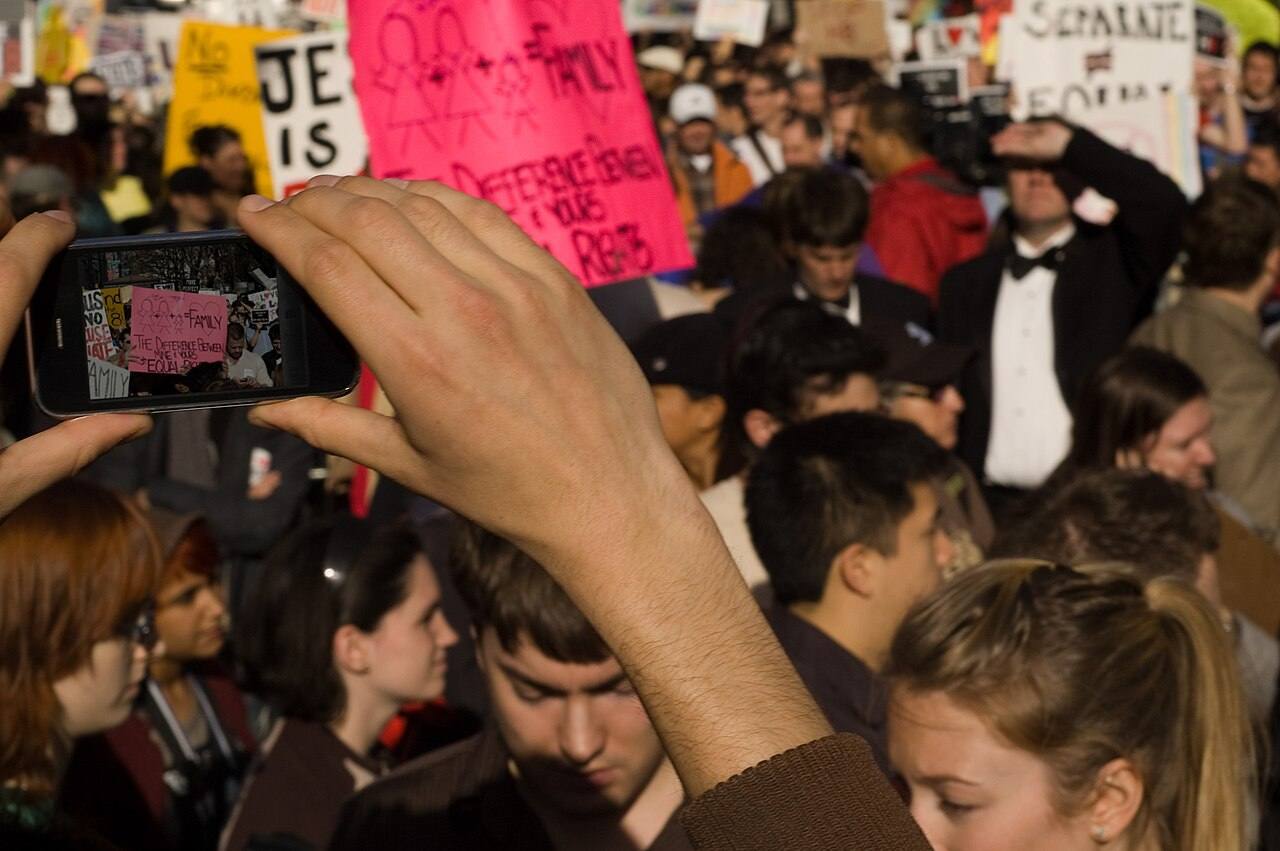
The Allure of Certainty
From the halls of Congress to the streets of our cities, certainty has become a prized commodity. Politicians on both sides of the aisle are quick to present their views as unequivocal truths, often sacrificing nuance for the sake of a catchy soundbite. This phenomenon is not just a matter of style; it has real implications for how we govern and engage with one another.

On the left, there is a tendency to paint the world in stark binaries, often framing issues in terms of victimhood and oppressors. This narrative can rally support and create a sense of urgency, but it also risks alienating those who may not fit neatly into these categories. For instance, while the fight for social justice is undeniably important, the insistence on absolute ideological purity can lead to an exclusionary atmosphere. It begs the question - does this approach genuinely foster change, or does it merely reinforce existing divisions?

Conversely, the right frequently employs a rhetoric of certainty that can be equally problematic. The mantra of “America first” and the denouncement of established norms often appeal to a sense of nationalism that oversimplifies complex issues. This approach can mobilize a base but also leads to a rejection of nuanced discussions on immigration, healthcare, and foreign policy - issues that require careful consideration rather than knee-jerk reactions.

"In a world where certainty reigns, the truth often gets lost in the shuffle."
The Danger of Misinformation
At the core of this issue lies a fundamental danger: misinformation thrives in an environment where certainty is prioritized over accuracy. As politicians and their supporters cling to their narratives, the facts can become malleable tools, distorted to fit a predetermined agenda. This is not limited to one side of the political spectrum; both liberals and conservatives have been guilty of cherry-picking data to bolster their claims.
Take the ongoing debate over climate change, for instance. While science provides a vast body of evidence pointing to human-induced global warming, certain factions on the right continue to push back against this consensus, often citing discredited studies or fringe opinions. On the left, however, some advocates may oversell the immediate dangers, presenting apocalyptic scenarios that can lead to paralysis rather than action. Both extremes risk alienating the moderate voices that are essential for meaningful dialogue and policy development.
The Role of Media
In this landscape, the role of the media is crucial. However, the current state of journalism often exacerbates the problem. In the quest for ratings and clicks, sensationalism can overshadow substantive reporting. Headlines designed to provoke outrage can lead to a more polarized audience, further entrenching individuals in their camps of certainty.
Moreover, the echo chamber effect is amplified by the rise of partisan media outlets. Rather than serving as platforms for informed debate, many now operate as battlegrounds for ideological warfare. This bifurcation not only impacts public perception but also undermines the very foundation of democratic discourse.
Finding a Middle Ground
So how do we move beyond this culture of certainty? One potential avenue is embracing the complexity that comes with many of the issues we face. Politicians and advocacy groups should focus on fostering dialogue that recognizes the legitimacy of differing viewpoints. This means engaging with evidence and acknowledging the limits of our understanding rather than retreating into echo chambers.
Moreover, media organizations have a responsibility to prioritize integrity over sensationalism. A commitment to thorough reporting and fact-checking can help counteract the tide of misinformation and restore public trust. Journalists should aim to present a balanced view of contentious issues, allowing space for diverse opinions without resorting to extreme polarization.
Conclusion
As we move further into an age defined by division, it is imperative that we reevaluate our relationship with certainty. The cost of unwavering belief - whether on the left or the right - can be detrimental to our collective progress. By fostering a culture that values nuance and encourages open dialogue, we can begin to bridge the gaps that currently divide us. In doing so, we pave the way for a more informed, engaged, and ultimately united citizenry.
✦ ✦ ✦