From the file. Written for the paper dated August 2015. Opened in the public stacks July 14, 2026.
As the world grapples with the complexities of epidemic response, the growing chasm between public claims and the actual record of health authorities has become increasingly evident. Amidst a backdrop of fear and misinformation, a closer examination reveals the troubling discrepancies in our approach to public health.

The State of Epidemic Preparedness
In recent months, the outbreak of various diseases has raised alarm bells across the globe. From Ebola to the resurgence of measles, the narrative surrounding epidemic response has been dominated by a cacophony of claims. The government, public health officials, and even private organizations have touted their preparedness and response capabilities, yet the record tells a different story.
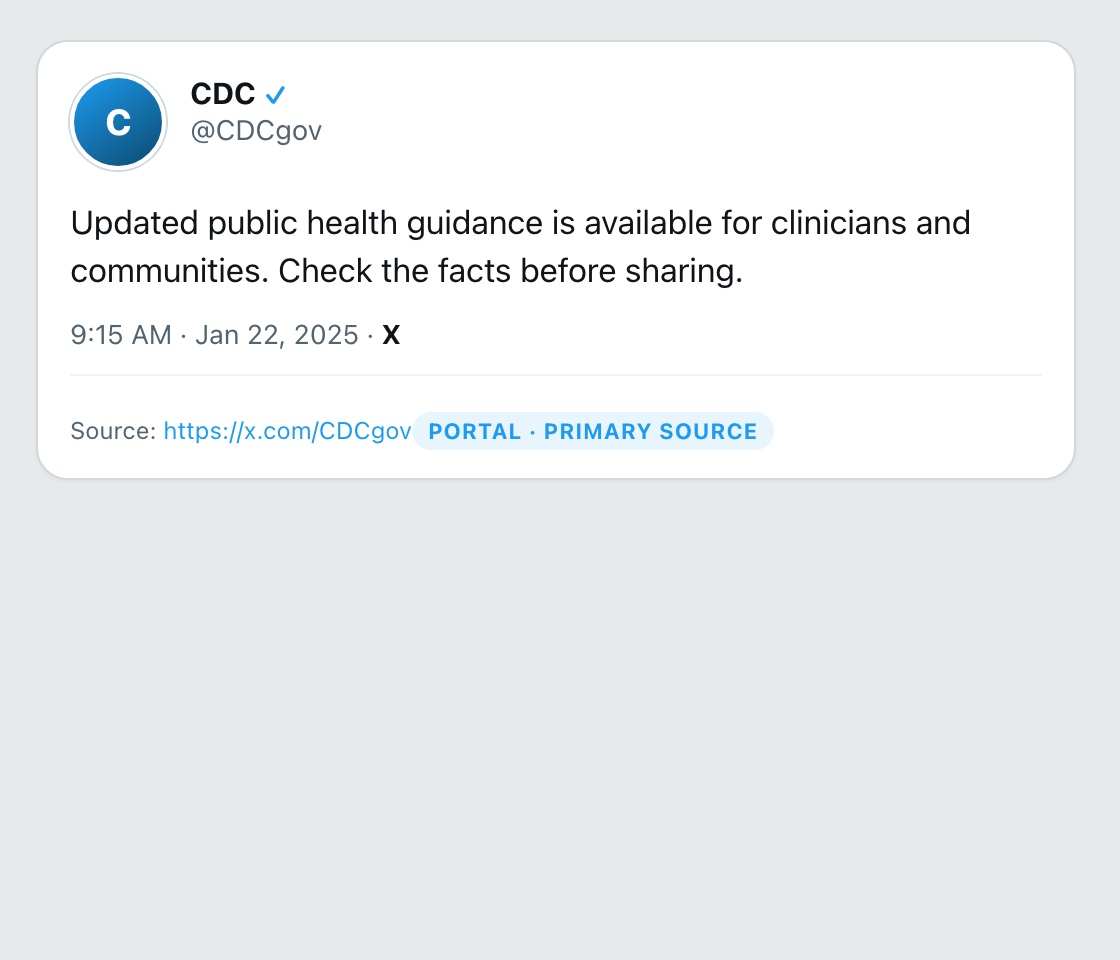
While many officials assert that we are better equipped than ever to handle epidemics, evidence suggests otherwise. Reports have shown that funding for public health initiatives has not kept pace with the growing threats posed by infectious diseases. As resources dwindle, the ability to respond efficiently and effectively in a crisis diminishes.
Public Claims Versus Reality
"We have the tools and knowledge to combat any epidemic." - A common refrain from health officials.
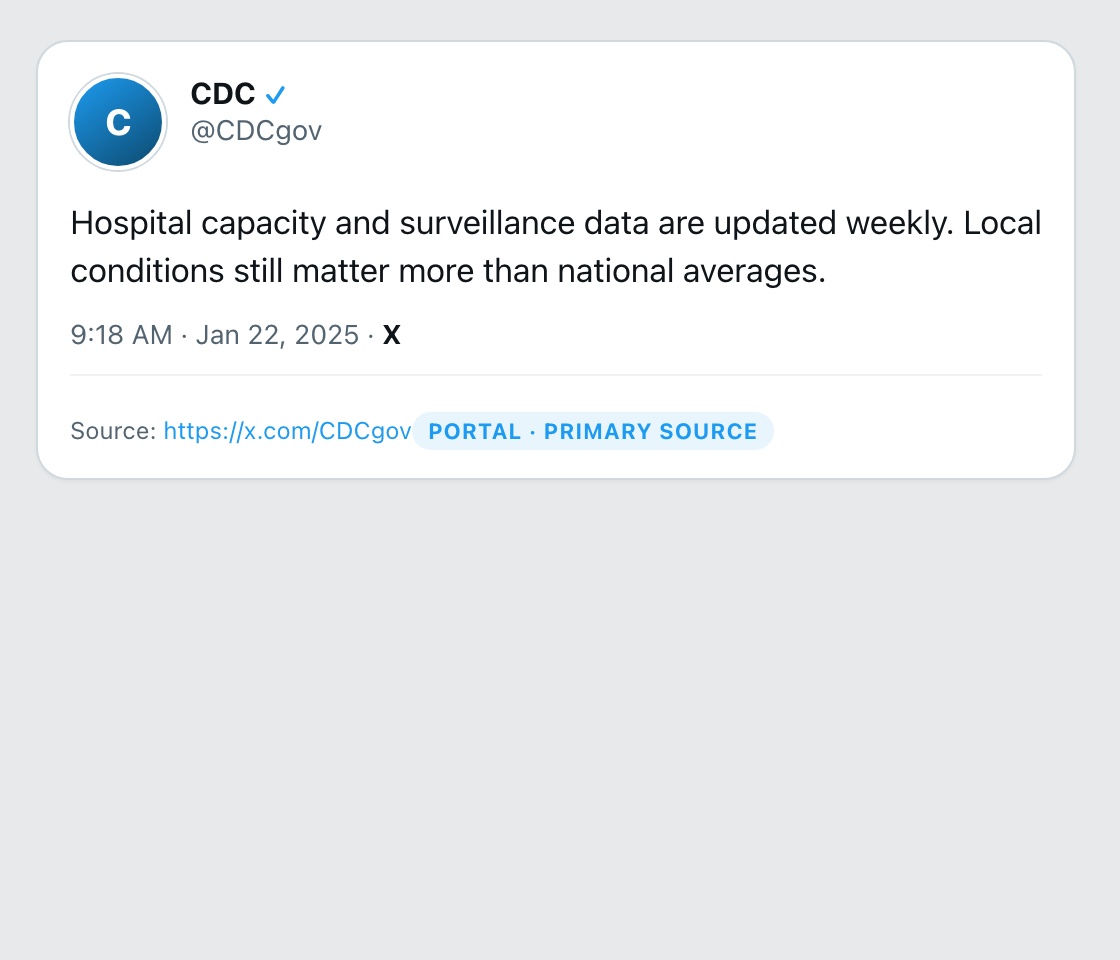
Despite the confidence expressed by various health authorities, the reality is often starkly different. For instance, the Centers for Disease Control and Prevention (CDC) has faced criticism for delays in deploying resources during critical moments. This has led to accusations of mismanagement and a lack of urgency, raising questions about the efficacy of our epidemic response.
Moreover, the increasing politicization of public health has further complicated the narrative. On one side, conservative factions have argued against increased funding for public health, citing government inefficiency. On the other hand, progressive groups have pushed for expansive measures without fully addressing the logistical challenges that come with such proposals. This polarization has resulted in a fragmented response that prioritizes political gain over public safety.
The Role of Media in Shaping Perception
Media coverage of epidemic responses has also played a crucial role in shaping public perception. Sensationalized reporting often amplifies fears, leading to public outcry that can pressure health officials to act hastily. While it is essential for the media to inform the public, a balanced approach is necessary to avoid contributing to panic.
Furthermore, the media's tendency to focus on worst-case scenarios can overshadow the successes of health departments. There are numerous instances where local health officials have effectively contained outbreaks, yet these stories often go unreported. Instead of celebrating these victories, the constant drumbeat of potential crises can undermine public trust in health authorities.
Addressing the Root Causes
To bridge the gap between public claims and the record, we must address the root causes of our epidemic response failures. One significant factor is the fragmentation of the public health system, where local, state, and federal agencies often operate in silos. This lack of cohesion can lead to delays in communication and resource allocation during critical moments.
Additionally, the training and preparedness of health personnel have come under scrutiny. While many health workers are dedicated and skilled, the system as a whole has not prioritized ongoing education and training in the face of emerging threats. A more proactive approach to workforce development is essential to ensure that health professionals are equipped with the latest knowledge and skills.
Moreover, the lack of a comprehensive national strategy for epidemic response has left many communities vulnerable. Without a clear plan that encompasses prevention, detection, and response, the public is left to navigate the chaos of misinformation and fear. It is imperative that health leaders come together to create a unified framework that can withstand the pressures of political posturing and media sensationalism.
Finding Common Ground
As we move forward, it is essential for both sides of the political spectrum to recognize the importance of a robust public health system. The right must acknowledge that investing in health is not merely a government expenditure, but a critical component of national security. Conversely, the left must understand that while more funding is necessary, it must be accompanied by effective management and accountability.
By finding common ground and working collaboratively, we can build a public health system that is truly equipped to handle the challenges of the future. Effective epidemic response requires a commitment to evidence-based practices, transparent communication, and a willingness to address the shortcomings of our current approach.
Conclusion
In conclusion, the discord between public claims and the reality of epidemic response underscores the need for introspection within our public health system. By addressing the shortcomings and fostering collaboration across the political spectrum, we can create a more resilient and effective response framework for the health challenges that lie ahead.
✦ ✦ ✦