From the file. Written for the paper dated August 2015. Opened in the public stacks July 14, 2026.
In an era where free speech is touted as a cornerstone of American democracy, the actions of both major political parties often contradict their public claims. The issue of free speech has become a battleground, with each side accusing the other of silencing dissent while simultaneously engaging in tactics that undermine the very principle they profess to uphold.

The Left's Approach to Free Speech
The left has long championed the cause of free speech, particularly when it pertains to marginalized communities and dissenting voices. However, recent incidents suggest a growing intolerance for views that diverge from the progressive orthodoxy. From college campuses to public discourse, there is an increasing tendency to label opposing viewpoints as "hate speech," leading to calls for censorship or disinviting speakers with controversial perspectives.

For instance, the uproar surrounding certain campus speakers has raised questions about the limits of free speech in academic settings. While the intention behind protecting students from offensive speech is commendable, it often crosses the line into a form of censorship that stifles open dialogue and intellectual exchange. This is particularly troubling when one considers that universities are meant to be bastions of diverse thought and debate.
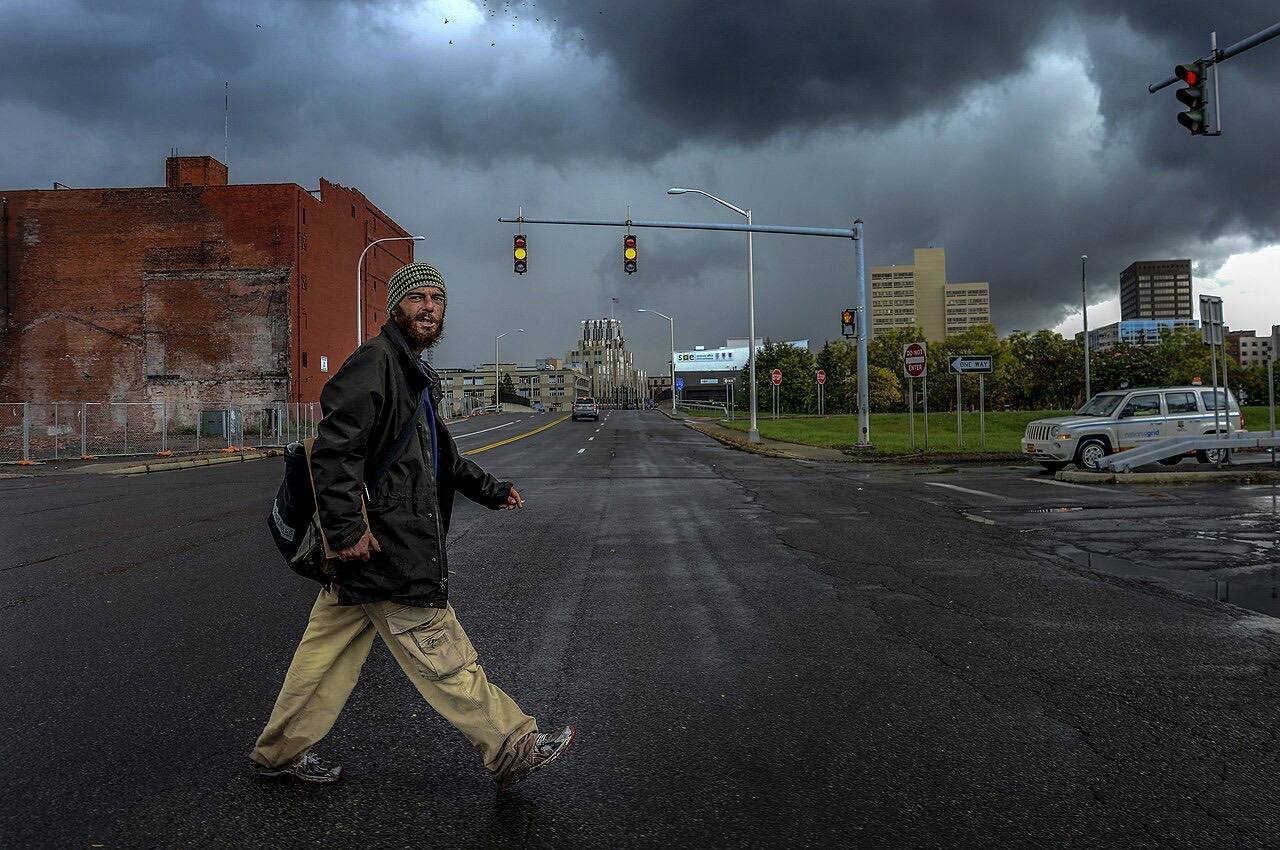
“If we want to preserve free speech, we must be willing to engage with ideas we find uncomfortable.”
Moreover, the insistence on "safe spaces" has created an environment where individuals can avoid difficult conversations altogether. The irony is that in their quest to protect free speech for some, the left may inadvertently undermine it for others, especially those who hold contrarian views.

The Right's Contradictions
On the other side of the aisle, the right claims to be the guardian of free speech, often rallying against perceived liberal censorship in media and academia. However, this stance can become hypocritical when it comes to the enforcement of their own ideological boundaries. For example, calls for boycotting companies or individuals who express liberal viewpoints have become increasingly common, leading to a culture where economic pressure is used to silence dissent.
Furthermore, the right's reactions to the protests and movements advocating for social justice often reveal a troubling double standard. When conservative voices are met with protests, they cry foul, citing an infringement on free speech. Yet, when liberal movements similarly face backlash, the response is often dismissive or derisive. This selective outrage does little to foster a healthy discourse around the principles of free speech.
“The right must recognize that silencing dissenting voices, even under the banner of patriotism, is a slippery slope.”
A Call for Genuine Dialogue
What emerges from this duality is a concerning trend: both parties may be more interested in protecting their own narratives than in fostering genuine dialogue about free speech. This is a disservice not only to the principles enshrined in the First Amendment but also to the American public, who deserves to engage in robust conversations about the issues that affect their lives.
To reclaim free speech as a unifying principle, it is crucial for both sides to recognize that silencing opposing views can lead to a dangerous precedent. While it is natural to want to protect oneself from offensive or harmful rhetoric, the answer should not be to stifle those voices. Instead, the focus should be on creating an environment where all perspectives can be heard, debated, and challenged.
Moving Forward
Moving forward, it is essential for both parties to recommit to the principles of free speech that they publicly espouse. This requires an acknowledgment that the right to speak freely comes with the responsibility to listen and engage with opposing viewpoints. Without this balance, the very foundation of democratic discourse risks crumbling under the weight of partisan excess.
Ultimately, the preservation of free speech relies on the willingness of all Americans to engage in difficult conversations and confront uncomfortable ideas. If both sides can embrace this challenge, we may yet find a path toward a more open and inclusive society where free speech is not merely a slogan, but a lived reality for all.
✦ ✦ ✦